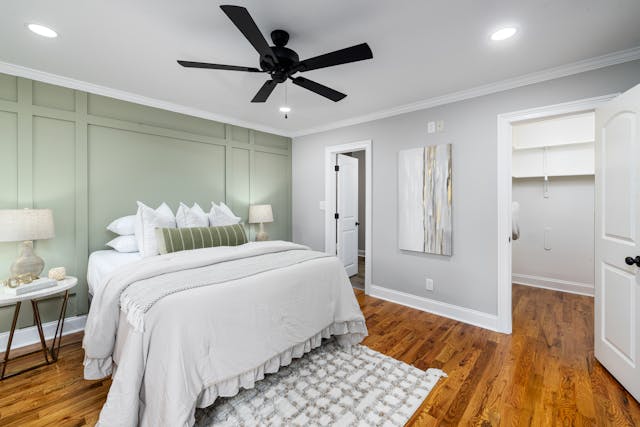
Biophilic Luxury Bedroom Design: Transform Your Sleep Space in 2025
Have you ever noticed how peaceful you feel when surrounded by nature? That same tranquility can transform your bedroom into a luxurious sanctuary. Biophilic luxury bedroom design brings the calming essence of the outdoors into your private retreat, creating a space that’s both elegant and restorative.
In 2025, this design philosophy has evolved beyond simply adding a few houseplants. It’s about crafting an experience where natural elements, sustainable materials, and sophisticated aesthetics merge to create the ultimate sleep environment. Whether you’re planning a complete bedroom makeover or looking for simple ways to enhance your current space, this guide will show you exactly how to achieve a biophilic luxury bedroom that promotes better sleep, reduces stress, and elevates your daily life.
What Is Biophilic Luxury Bedroom Design?
Biophilic design stems from our innate human connection to nature. The term “biophilia” literally means “love of life,” and when applied to luxury bedroom design, it creates spaces that honor this natural bond while maintaining an elevated sense of refinement.
Unlike traditional luxury bedrooms that might focus solely on expensive materials and ornate details, biophilic luxury combines the best of both worlds. You get the opulence of high-end design with the wellness benefits of nature-inspired elements. Think sustainably sourced hardwood floors, artisanal stone features, organic textiles, and living greenery arranged in a way that feels intentional and sophisticated.
Research supports what many of us instinctively know—exposure to natural elements indoors can lower stress levels, improve sleep quality, and enhance overall wellbeing. When you add luxury materials and thoughtful design to this equation, you create a bedroom that’s not just beautiful to look at but genuinely beneficial to your health.
The Key Elements of Biophilic Luxury Bedroom Design
1. Natural Light and Circadian Rhythm Support
Natural light serves as the foundation of any biophilic bedroom. Sunlight helps regulate your body’s circadian rhythm, telling you when to feel alert and when to wind down for sleep. In a luxury biophilic bedroom, maximizing natural light becomes both functional and aesthetic.
How to incorporate it:
- Install floor-to-ceiling windows or enlarge existing windows where possible
- Use sheer, lightweight linen curtains that diffuse sunlight while maintaining privacy
- Consider adding a skylight for overhead natural illumination
- Position your bed to take advantage of morning light without direct glare
- Layer your window treatments with natural materials like bamboo shades or wooden blinds
For evenings, invest in smart lighting systems that mimic the spectral qualities of natural light. These can shift from bright, cool-toned light in the morning to warm, dim amber tones as bedtime approaches, supporting your natural sleep-wake cycle.
2. Organic Materials and Textured Surfaces
Luxury meets sustainability in the choice of materials. The tactile experience of natural materials creates an immediate sense of connection to the earth, while their inherent beauty adds sophisticated visual interest.
Premium natural materials to consider:
Wood elements:
- Reclaimed timber bed frames with visible grain patterns
- Cedar wall paneling or accent walls
- Hardwood flooring in oak, walnut, or bamboo
- Wooden bedside tables with natural edges
Stone features:
- Marble accents on nightstands or side tables
- Stone-clad feature walls behind the bed
- Sculptural stone vessels as decorative elements
- Natural stone lamps or light fixtures
Natural textiles:
- Organic cotton sheets and duvet covers
- Linen bedding in neutral, earthy tones
- Bamboo or Tencel fabric for temperature regulation
- Wool or jute area rugs for warmth and texture
- Cashmere or mohair throws for added luxury
The key is authenticity—choose materials that showcase their natural imperfections rather than synthetic imitations. A polished marble slab or reclaimed wood beam tells a story and brings genuine character to your space.
3. Living Greenery and Air-Purifying Plants
Plants transform a bedroom from simply decorated to truly alive. Beyond their aesthetic appeal, certain plants actively improve air quality by filtering pollutants and releasing oxygen—particularly beneficial while you sleep.
Best plants for luxury bedrooms:
Low-maintenance options:
- Snake plants (Sansevieria): Releases oxygen at night
- Peace lilies: Filters airborne toxins
- Pothos: Thrives in low light conditions
- Aloe vera: Purifies air and requires minimal care
Statement plants for visual impact:
- Fiddle leaf fig: Creates an architectural focal point
- Monstera deliciosa: Adds tropical elegance
- Bird of paradise: Brings dramatic height and presence
Arrangement strategies:
- Create an “over-the-bed” plant shelf with trailing varieties like pothos or string of pearls
- Mount planters on walls to save surface space
- Use stylish floor planters in corners for vertical interest
- Group smaller plants on a windowsill or dresser in varying heights
- Consider a living wall or vertical garden as a dramatic feature
For a truly luxurious touch, invest in designer planters—think handcrafted ceramics, natural stone pots, or woven seagrass baskets that complement your overall aesthetic.
4. Nature-Inspired Color Palettes
The biophilic luxury bedroom embraces colors drawn directly from the natural world. These hues create an inherently soothing atmosphere while maintaining sophistication.
2025 trending biophilic color schemes:
Earth and clay tones:
- Warm terracotta
- Rich chocolate brown
- Sandy beige and taupe
- Mushroom gray
- Mocha mousse (Pantone’s 2025 Color of the Year)
Botanical greens:
- Sage green
- Deep forest green
- Muted olive
- Eucalyptus
- Moss green
Water-inspired blues:
- Powder blue
- Slate blue
- Soft aqua
- Coastal blues
Implementation tips:
- Use darker, richer tones on accent walls to create depth
- Layer different tones of the same color for a tonal, sophisticated look
- Balance earthy walls with lighter bedding in natural whites or linens
- Add pops of color through botanical artwork or statement furniture pieces
- Consider limewash walls for an organic, textured finish
5. Organic Shapes and Flowing Forms
Biophilic luxury moves away from harsh angles and rigid lines, embracing the gentle curves and flowing forms found in nature. This softness contributes to the calming atmosphere essential for a restful bedroom.
Design elements with organic shapes:
- Curved headboards with rounded corners
- Overstuffed reading chairs or chaise lounges
- Rounded mirrors or irregular, natural-edge mirrors
- Sculptural lighting with flowing lines
- Arched doorways or windows
- Circular or oval area rugs
- Furniture with sweeping, cocooning silhouettes
These organic forms create visual harmony and make the space feel more welcoming and less formal—perfect for a room designed for relaxation.
6. Multi-Sensory Experience
True luxury engages all the senses, not just sight. A biophilic bedroom considers sound, touch, scent, and even temperature to create a holistic experience.
Sound:
- Install a small tabletop fountain for gentle water sounds
- Use white noise machines with nature sounds (rain, forest, ocean waves)
- Choose soft, sound-absorbing materials to minimize echo
- Consider acoustic panels disguised as natural wood elements
Touch:
- Layer textures: smooth cotton sheets, chunky knit throws, soft wool rugs
- Add natural fiber cushions in varying textures
- Include tactile elements like smooth stone objects or rough-hewn wood
Scent:
- Use essential oil diffusers with lavender, eucalyptus, or cedarwood
- Display fresh eucalyptus branches in a vase
- Choose beeswax candles with subtle natural scents
- Consider fresh flowers on your nightstand
Temperature:
- Natural materials like linen and cotton help regulate body temperature
- Wool blankets provide warmth without overheating
- Ensure proper ventilation with windows that open
- Consider a smart thermostat that adjusts throughout the night
Sustainable Luxury: Making Eco-Conscious Choices
True biophilic luxury considers the environmental impact of every design decision. Sustainability and elegance need not be mutually exclusive—in fact, in 2025, eco-consciousness has become a hallmark of genuine luxury.
Sustainable Material Choices
Bedding and linens:
- Organic cotton certified by GOTS (Global Organic Textile Standard)
- European linen from sustainable flax production
- Bamboo lyocell processed with closed-loop systems
- Tencel fabric made from sustainably harvested eucalyptus
Furniture:
- FSC-certified wood from responsibly managed forests
- Reclaimed or upcycled vintage pieces
- Rattan and bamboo from renewable sources
- Natural latex mattresses instead of synthetic foam
Finishes and paints:
- Low-VOC or zero-VOC paints
- Natural wood oils and waxes
- Water-based finishes
- Natural dyes for textiles
Energy Efficiency
- Install LED bulbs with warm color temperatures
- Use natural light during the day to reduce electricity consumption
- Choose window treatments that provide insulation
- Consider blackout curtains made from sustainable materials for better temperature control
Creating Your Biophilic Luxury Bedroom: Step-by-Step Guide
Step 1: Assess Your Current Space
Start by evaluating what you already have:
- How much natural light enters the room?
- What materials are currently present (synthetic vs. natural)?
- Is there adequate ventilation?
- What’s your current color scheme?
- How much floor space is available for plants?
Step 2: Select Your Focal Point
Every well-designed bedroom needs an anchor. Choose one dramatic biophilic element:
- A reclaimed wood accent wall behind the bed
- A living plant wall with mixed greenery
- A statement piece of botanical artwork
- A stunning wooden headboard with natural edges
- Floor-to-ceiling windows with garden views
Step 3: Replace Synthetic Materials
Gradually swap artificial materials for natural alternatives:
- Replace polyester bedding with organic cotton or linen
- Exchange synthetic rugs for wool, jute, or natural fiber options
- Choose wooden furniture over plastic or laminate
- Select cotton or linen curtains instead of synthetic fabrics
Step 4: Introduce Greenery Strategically
Don’t just scatter plants randomly:
- Research which plants thrive in your bedroom’s light conditions
- Group plants in odd numbers (3, 5, 7) for visual appeal
- Vary heights and textures for dimension
- Match planters to your overall aesthetic
- Consider care requirements and your maintenance capacity
Step 5: Layer Your Lighting
Create multiple lighting options for different times and moods:
- Maximize natural light as your primary source
- Add dimmable overhead fixtures with warm LED bulbs
- Include bedside lamps with soft, diffused light
- Consider floor lamps in reading nooks
- Use smart bulbs that adjust color temperature throughout the day
Step 6: Add Sensory Layers
Complete the experience with elements that engage all senses:
- Place a small fountain or white noise machine for calming sounds
- Add cushions, throws, and rugs in natural textures
- Include subtle natural scents through candles or diffusers
- Ensure proper air circulation and temperature control
Biophilic Luxury on Any Budget
You don’t need unlimited funds to create a biophilic luxury bedroom. Here’s how to prioritize:
Budget-Friendly Priorities ($500-$1,500):
- Invest in organic cotton or linen bedding (start with sheets, add duvet later)
- Add 5-7 air-purifying plants in basic terracotta or ceramic pots
- Replace synthetic curtains with cotton or linen versions
- Paint one accent wall in a nature-inspired color
- Add a natural fiber rug (jute or wool)
- Purchase a few wooden accessories (picture frames, candle holders)
Mid-Range Investment ($1,500-$5,000):
- All budget items above, plus:
- Reclaimed wood headboard or accent wall
- Quality wooden nightstands or dresser
- Designer planters for your greenery
- Smart lighting system that mimics natural light
- Stone or marble accents (lamp bases, side tables)
- Higher-end organic mattress or mattress topper
High-End Luxury ($5,000+):
- Custom reclaimed timber bed frame
- Living plant wall or major architectural greenery feature
- Stone-clad feature wall
- Floor-to-ceiling windows or skylight installation
- Complete suite of organic, luxury bedding
- Designer furniture pieces in natural materials
- Smart home integration for lighting, temperature, sound
- Professional landscape architecture for indoor greenery
Common Mistakes to Avoid
1. Overcrowding with plants More isn’t always better. Choose a few statement plants rather than cluttering every surface.
2. Ignoring maintenance requirements Be realistic about plant care. Dead or dying plants defeat the purpose.
3. Mixing too many competing focal points Choose one main feature and let everything else support it.
4. Using fake plants or flowers Artificial elements contradict the entire philosophy. If you can’t maintain real plants, focus on other biophilic elements.
5. Neglecting sustainable sourcing True biophilic luxury considers environmental impact. Check certifications and sourcing.
6. Forgetting about light needs Different plants need different light conditions. Match plants to your room’s natural light.
7. Over-decorating Biophilic luxury embraces simplicity. Leave space to breathe.
The Health Benefits: Why It’s Worth It
Investing in biophilic luxury bedroom design offers tangible wellness returns:
Improved sleep quality: Natural materials, proper lighting, and air-purifying plants create optimal conditions for restful sleep.
Reduced stress and anxiety: Studies show that exposure to natural elements lowers cortisol levels and reduces physiological stress markers.
Better air quality: Plants filter toxins and release oxygen, creating a healthier breathing environment.
Enhanced mood: Natural light exposure and connections to nature improve emotional wellbeing and combat depression.
Increased focus and creativity: Even indirect experiences of nature through materials and imagery can boost cognitive function.
Physical health improvements: Research indicates that sleeping in rooms with natural timber elements can lower blood pressure and heart rate.
Maintaining Your Biophilic Luxury Bedroom
Daily Maintenance:
- Open curtains to allow natural light
- Make your bed with care using your luxury linens
- Check plants for watering needs
- Maintain comfortable temperature and fresh air flow
Weekly Tasks:
- Water plants according to their specific needs
- Wipe down wooden surfaces with natural cleaning products
- Fluff pillows and arrange throws
- Remove dead leaves from plants
- Dust natural fiber rugs and textiles
Monthly Responsibilities:
- Deep clean natural textiles (wash bedding, spot-clean rugs)
- Trim and prune plants as needed
- Rotate plants for even growth
- Check for pests on plants
- Clean windows for maximum natural light
Seasonal Updates:
- Rotate bedding weight (lighter for summer, heavier for winter)
- Adjust plant care for seasonal changes
- Refresh botanicals or dried arrangements
- Update color accents with seasonal nature-inspired hues
Final Thoughts: Your Personal Nature Sanctuary
Creating a biophilic luxury bedroom is about more than following design trends—it’s about crafting a personal sanctuary that supports your wellbeing every single day. By thoughtfully incorporating natural elements, sustainable materials, and intentional design choices, you transform your bedroom from merely a place to sleep into a restorative retreat that nurtures both body and mind.
Start with one or two elements that resonate most with you. Perhaps it’s investing in organic linen bedding, adding a statement plant, or painting your walls in a soothing sage green. Each small step toward biophilic luxury creates cumulative benefits for your health, your sleep quality, and your daily sense of peace.
Remember, the most luxurious bedroom isn’t necessarily the most expensive—it’s the one that makes you feel genuinely calm, connected, and restored. Let nature guide your design choices, invest in quality over quantity, and create a space that reflects your own relationship with the natural world.
Your bedroom should be a place where you can’t wait to retreat at the end of each day. With biophilic luxury design, that’s not just a dream—it’s an achievable reality.
Frequently Asked Questions
Q: How many plants should I have in my bedroom?
A: Quality over quantity. Start with 3-5 plants and see how you manage the care. Focus on air-purifying varieties like snake plants, pothos, and peace lilies that thrive in bedroom conditions.
Q: Is biophilic design more expensive than traditional luxury design?
A: Not necessarily. While some elements like reclaimed wood can be pricey, many biophilic features (plants, natural light, organic bedding) are comparable to or less expensive than conventional luxury materials. Plus, sustainable materials often last longer, saving money over time.
Q: Can I create a biophilic bedroom in a small space?
A: Absolutely! Small bedrooms can benefit even more from biophilic design. Use vertical space for hanging plants, choose multi-functional furniture in natural materials, and maximize natural light with mirrors and light-colored natural fabrics.
Q: What if my bedroom doesn’t get much natural light?
A: Focus on other biophilic elements: natural materials, organic shapes, nature-inspired colors, and low-light plants like pothos or snake plants. Consider smart bulbs that mimic natural light cycles.
Q: How do I maintain plants in my bedroom if I travel frequently?
A: Choose low-maintenance plants like snake plants or ZZ plants that can go longer between watering. Set up self-watering systems or planters, or ask someone to check on them while you’re away.
Q: Are natural materials harder to clean?
A: Not necessarily. Most natural materials are quite durable. Wood can be wiped with damp cloths, natural fiber rugs can be vacuumed, and organic cotton bedding is machine washable. Avoid harsh chemicals and use natural cleaning products.
Q: Can I mix biophilic design with other design styles?
A: Yes! Biophilic elements work beautifully with many styles—modern minimalism, Scandinavian design, coastal aesthetics, and even traditional or transitional styles. The key is choosing natural materials and colors that complement your existing aesthetic.
Q: What’s the single most impactful biophilic element I can add?
A: If you have to choose one thing, maximize natural light. It affects your sleep cycle, mood, and overall wellbeing more than any other single element. After that, invest in quality organic bedding—you spend a third of your life in bed, so it’s worth prioritizing

ceo asif
Hi, I’m Asif, the creator of Decor Luxury Home! Passionate about home design, DIY projects, and stylish living, I share practical tips and creative ideas to help you transform your home into a cozy, functional, and beautiful space. Whether you're looking for renovation hacks or home decor inspiration, you've come to the right place


You May Also Like
Where to Find the Best Luxury Home Décor: A Complete Style Guide
Luxury Home Decor Ideas: Transform Your Home into a Haven of Elegance and Comfort