
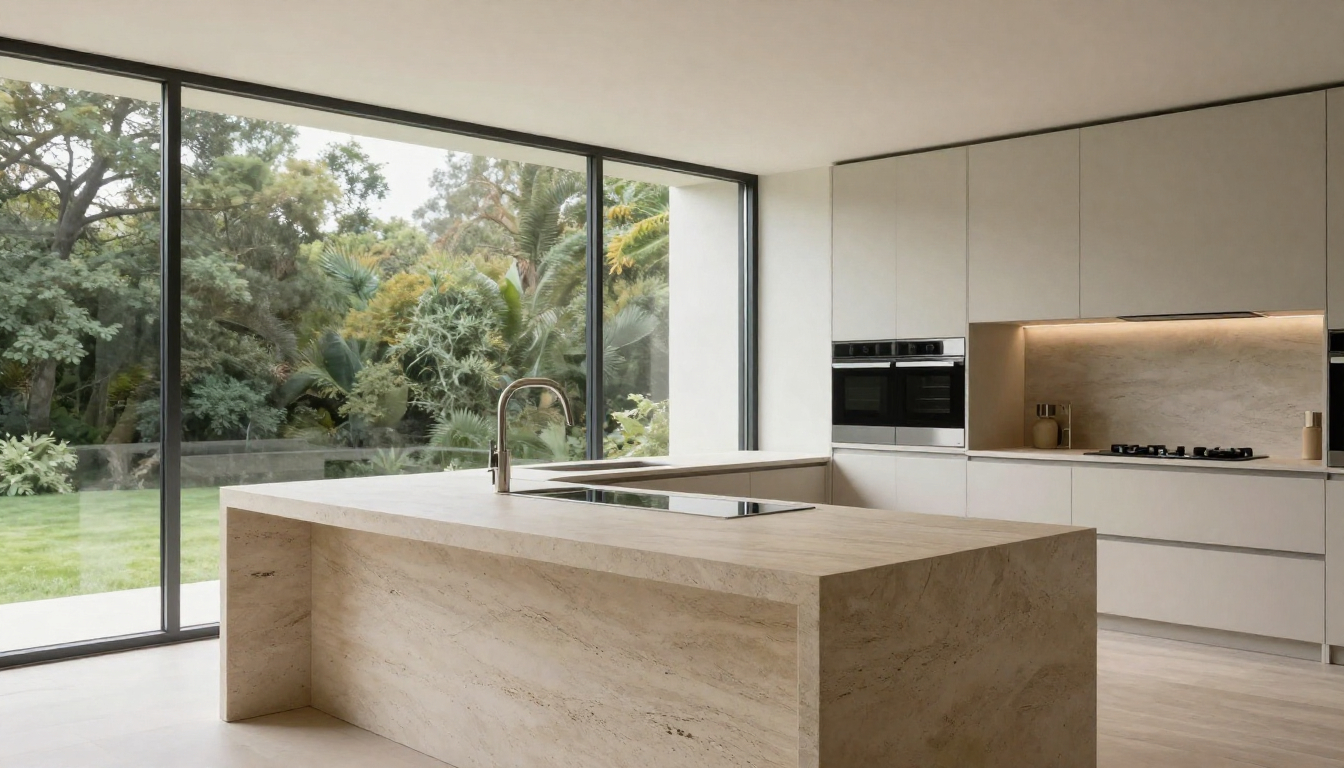
In a world filled with constant stimulation and clutter, minimalist luxury interiors offer a sanctuary of calm sophistication. This design philosophy proves that less truly can be more when executed with precision, quality materials, and thoughtful planning. Whether you’re redesigning your home or starting fresh, understanding minimalist luxury can transform your space into a timeless masterpiece.
What is Minimalist Luxury Interior Design?
Minimalist luxury interior design is the perfect marriage of simplicity and opulence. It’s not about having less for the sake of deprivation, but rather about curating spaces with intentionality where every element serves a purpose and exudes quality. This design approach emphasizes clean lines, uncluttered spaces, neutral color palettes, and premium materials that speak for themselves.
Unlike stark minimalism that can feel cold, luxury minimalism incorporates warmth through texture, natural materials, and carefully selected statement pieces. It’s about creating spaces that feel spacious, serene, and sophisticated without compromising on comfort or elegance.
The beauty of minimalist luxury lies in its restraint. Instead of filling rooms with multiple decorative items, this style focuses on fewer, higher-quality pieces that make a stronger impact. A single sculptural chair, an exquisite marble coffee table, or a carefully placed piece of art becomes the focal point, commanding attention through its inherent beauty rather than competing with surrounding clutter.
Key Principles of Minimalist Luxury Design
Quality Over Quantity
The foundation of minimalist luxury is investing in exceptional quality rather than accumulating numerous average items. This means choosing a handcrafted Italian sofa over multiple mass-produced pieces, selecting solid wood flooring instead of laminate, or opting for custom cabinetry rather than ready-made furniture.
High-quality materials not only look and feel better but also age gracefully, developing character over time. Marble countertops, hardwood floors, premium fabrics, and solid brass fixtures are hallmarks of luxury minimalism. These materials require higher initial investment but provide lasting value and timeless appeal.
Intentional Space Planning
Every square foot in a minimalist luxury interior is thoughtfully planned. Space itself becomes a luxury element, with generous breathing room around furniture and architectural features. This doesn’t mean you need a mansion; even compact apartments can embrace this principle through smart furniture selection and strategic layout.
Open floor plans work beautifully with minimalist luxury design, creating flow between spaces while maintaining distinct functional zones. The absence of visual clutter allows architectural elements like high ceilings, large windows, or interesting structural features to shine.

Sophisticated Color Palette
Minimalist luxury interiors typically embrace neutral color schemes, but this doesn’t mean boring. Think warm whites, soft grays, beiges, taupes, and earth tones that create a cohesive, calming environment. These neutral foundations allow textures and materials to take center stage.
Accent colors are used sparingly and strategically. A deep charcoal gray accent wall, rich navy velvet cushions, or muted sage green artwork can add depth without overwhelming the space. The key is restraint and intentionality in color choices.
Functional Elegance
In minimalist luxury design, beauty and function are inseparable. Storage solutions are integrated seamlessly into the architecture, keeping surfaces clear and uncluttered. Built-in wardrobes, hidden cabinets, and multi-functional furniture pieces maintain the clean aesthetic while providing practical utility.
Every piece of furniture earns its place through both form and function. A beautiful dining table isn’t just visually striking; it’s also the perfect size for entertaining, crafted from durable materials, and comfortable to use daily.
Essential Elements of Minimalist Luxury Interiors
Premium Natural Materials
Natural materials are central to achieving minimalist luxury. Marble, granite, and natural stone bring elegance and timelessness. Wood, whether in flooring, furniture, or accent pieces, adds warmth and organic texture. Metals like brass, copper, and stainless steel provide subtle glamour.
Textiles also play a crucial role. Linen curtains, wool rugs, silk cushions, and leather upholstery introduce tactile luxury. The quality of these materials is paramount—hand-woven fabrics, full-grain leather, and sustainably sourced wood make noticeable differences.
For comprehensive insights on luxury materials in interior design, visit Architectural Digest.

Statement Lighting
Lighting in minimalist luxury interiors serves dual purposes: functionality and artistry. A stunning chandelier, sculptural pendant lights, or elegant floor lamps become focal points while providing essential illumination.
Natural light is maximized through large windows, skylights, and strategic mirror placement. Window treatments are typically simple—sheer curtains or quality blinds that don’t obstruct light when open. Layered lighting with dimmers allows you to adjust ambiance for different times of day and activities.
Curated Art and Decor
In minimalist luxury spaces, art and decor are carefully selected rather than accumulated. A single large-scale artwork makes more impact than a gallery wall of smaller pieces. Sculptures, pottery, or decorative objects are displayed with intentionality, given space to breathe and be appreciated.
The “less is more” philosophy means each decorative element should be meaningful, whether it’s a family heirloom, a piece from a favorite artist, or an object that brings joy. These items tell your story without creating visual noise.
Clean Architectural Lines
Minimalist luxury celebrates clean, geometric lines in architecture and furniture. Straight edges, smooth surfaces, and simple silhouettes create visual harmony. Built-in features like recessed shelving, integrated appliances, and flush doors maintain the streamlined aesthetic.
Crown molding, baseboards, and trim are either eliminated or kept extremely simple. The focus is on the interplay of planes, volumes, and negative space rather than ornate detailing.
Creating Minimalist Luxury in Different Spaces
Living Room
The living room is where minimalist luxury truly shines. Start with a neutral foundation—white or light gray walls, natural wood or stone flooring, or alternatives like wholesale laminate flooring that offer a similar aesthetic with added practicality. Choose a high-quality sectional or sofa in a timeless design with premium upholstery.
A low-profile coffee table in marble, glass, or polished wood serves as the centerpiece. Add texture through a plush wool or silk rug, linen curtains, and a few carefully selected cushions. One statement piece—perhaps a sculptural floor lamp or a large piece of abstract art—provides visual interest.
Keep surfaces clear. Remote controls, magazines, and personal items should have designated storage. The goal is a space that feels both luxurious and lived-in, sophisticated yet comfortable.
Kitchen
Minimalist luxury kitchens feature handleless cabinetry, integrated appliances, and seamless surfaces. Neutral tones dominate, with white, gray, or natural wood cabinets paired with marble or quartz countertops.
Storage is maximized through clever internal organization, keeping countertops free of clutter. High-end appliances are integrated into cabinetry for a streamlined look. A simple backsplash in marble, large-format tiles, or matching countertop material maintains visual continuity.
For kitchen design inspiration, explore Houzz.

Bedroom
A minimalist luxury bedroom is a serene retreat. The bed takes center stage, dressed in high-thread-count linens, quality duvets, and a limited number of pillows. An upholstered headboard or simple wooden frame provides elegance without fuss.
Bedside tables are simple and functional, topped with just a lamp and perhaps a small tray or dish for essentials. Built-in wardrobes eliminate the need for bulky furniture, and blackout curtains in luxurious fabrics ensure restful sleep.
Color palette remains neutral and calming—soft whites, warm grays, or gentle earth tones. Artwork is minimal, perhaps a single piece above the bed or opposite it, contributing to the tranquil atmosphere.
Bathroom
Luxury minimalist bathrooms are spa-like sanctuaries. Large-format tiles, natural stone, and quality fixtures create an upscale feel. Frameless glass showers, floating vanities, and wall-mounted toilets enhance the clean, spacious aesthetic.
Hidden storage keeps toiletries out of sight, while premium towels in neutral tones add softness. Lighting is crucial—combine recessed ceiling lights with elegant sconces or backlit mirrors for optimal functionality and ambiance.
Balancing Minimalism with Warmth
One common concern about minimalist design is it feeling cold or impersonal. Luxury minimalism addresses this by incorporating warmth through several strategies:
Natural Materials: Wood elements, whether flooring, furniture, or accents, immediately add warmth. Natural stone, clay, and other organic materials create visual and tactile interest.
Layered Textures: Combine different textures—smooth marble with rough linen, polished metal with soft wool. These contrasts add depth and prevent the space from feeling one-dimensional.
Warm Lighting: Choose warm-toned LED bulbs over cool white. Layer ambient, task, and accent lighting to create inviting atmospheres for different times of day.
Personal Touches: While minimalist, your space should still reflect your personality. Family photos in simple frames, travel souvenirs displayed thoughtfully, or books you love add warmth without creating clutter.
Sustainable Luxury Minimalism
Modern minimalist luxury increasingly embraces sustainability. This philosophy naturally aligns with eco-conscious design through its emphasis on quality over quantity and timeless rather than trendy pieces.
Choose sustainably sourced materials—FSC-certified wood, recycled metals, natural textiles from ethical suppliers. Invest in energy-efficient appliances and LED lighting. Consider vintage or antique furniture pieces that add character while reducing environmental impact.
Quality craftsmanship ensures longevity, meaning fewer replacements and less waste over time. This sustainable approach to luxury minimalism is both environmentally responsible and economically sensible.
For sustainable design resources, visit Indian Green Building Council.

Common Mistakes to Avoid
Too Sterile
The biggest mistake in minimalist design is creating spaces that feel like showrooms rather than homes. Include comfortable seating, soft textiles, and personal items that make the space livable and welcoming.
Sacrificing Function for Form
Never compromise on functionality for aesthetics. Ensure adequate storage, comfortable furniture, and practical layouts. Beautiful design should enhance daily life, not complicate it.
Ignoring Maintenance
Premium materials require proper care. Marble needs sealing, hardwood requires maintenance, and luxury fabrics need appropriate cleaning. Factor in upkeep when selecting materials.
Following Trends Blindly
Minimalist luxury is about timelessness. Avoid trendy elements that will date quickly. Classic designs and quality materials remain beautiful decades later.
Investment Considerations
Minimalist luxury interiors require significant upfront investment but offer excellent long-term value. Quality materials, expert craftsmanship, and timeless design mean your space won’t need frequent updates or replacements.
Budget allocation should prioritize permanent elements—flooring, kitchen and bathroom fixtures, built-in storage—over easily changeable items like accessories. Professional design consultation, while an added expense, often saves money by preventing costly mistakes.
Consider the investment as creating a valuable asset. Well-designed minimalist luxury interiors significantly increase property value and appeal to discerning buyers if you eventually sell.
Working with Interior Designers
Achieving authentic minimalist luxury often benefits from professional expertise. Experienced designers understand proportions, material combinations, and how to create cohesive spaces that feel effortless yet curated.
When selecting a designer, review their portfolio for minimalist projects. Discuss your lifestyle needs, aesthetic preferences, and budget openly. The best designers balance your vision with practical expertise, creating spaces that are both beautiful and functional.
Professional designers also have access to trade-only suppliers, custom fabrication resources, and skilled craftspeople who can execute the precision required for minimalist luxury interiors.
Conclusion
Minimalist luxury interiors represent the pinnacle of sophisticated design—spaces where every element is intentional, quality reigns supreme, and simplicity becomes the ultimate luxury. This approach creates homes that are serene sanctuaries, visually stunning yet deeply comfortable, and timeless rather than trendy.
The journey to minimalist luxury requires patience, discernment, and investment, but the results are transformative. By embracing quality over quantity, thoughtful curation over accumulation, and timeless elegance over fleeting trends, you create spaces that nurture well-being while showcasing refined taste.
Whether you’re starting from scratch or gradually transitioning your existing space, the principles of minimalist luxury—clean lines, premium materials, intentional design, and restrained opulence—offer a roadmap to creating interiors that truly elevate daily living.
Remember, minimalist luxury isn’t about deprivation; it’s about deliberate choices that prioritize what truly matters, creating environments where you can breathe, think clearly, and live beautifully.
 CEO Asif