
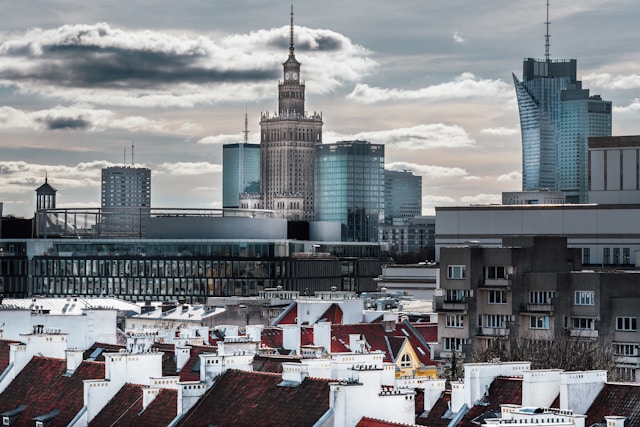
Warsaw Property management has become a distinct, highly professional discipline shaped by rapid market growth, increasingly complex regulations, and tenant expectations that resemble those in mature Western European capitals. Whether you own a single apartment in Śródmieście, a portfolio of buy-to-let units in Mokotów, or a mixed-use asset near Rondo Daszyńskiego, effective management is no longer limited to collecting rent and arranging occasional repairs. It is a structured operational system that protects asset value, improves occupancy stability, and ensures regulatory compliance across the entire lifecycle of a property.
What modern property management covers in Warsaw
A comprehensive service model typically includes administrative, technical, financial, and legal coordination. On the administrative side, this means onboarding tenants, managing documentation, keeping communication logs, and enforcing house rules or building regulations. Technically, it includes preventive maintenance planning, contractor sourcing, defect reporting, and emergency response. Financially, it covers rent invoicing, payment tracking, service charge reconciliation, budgeting, and profitability reporting. Finally, the legal layer addresses lease structure, data privacy, deposit handling, and dispute mitigation.
In Warsaw, these layers intersect frequently. A simple leak can trigger building administration procedures, insurance notifications, contractor scheduling, and tenant communication all at once. High-quality Warsaw Property management therefore depends on established processes, vetted vendors, and clear escalation paths rather than ad hoc decision-making.
Leasing strategy and tenant quality control
Warsaw’s tenant market is diverse: corporate relocations, international students, young professionals, and families seeking long-term stability. Each segment requires a different leasing strategy and risk profile assessment. For investors, the central question is not only “How fast can I rent this unit?” but “How stable and low-risk will the tenancy be?”
Specialist management begins with market-aligned pricing and positioning. That includes comparative analysis of similar listings, assessment of transport connectivity, and evaluation of the building’s amenities and technical standard. It also includes professional presentation: accurate floor plans, compliance-ready descriptions, and viewing coordination that screens for mismatched expectations early.
Tenant verification should be treated as a structured workflow. This often involves employment and income confirmation, identity checks, and reference-based evaluation when feasible. The goal is not to create barriers, but to reduce default risk and ensure the tenant understands obligations, building rules, and the maintenance reporting process.
Lease design and compliance realities
Lease design in Poland can vary widely in practice, so the management approach should prioritize clarity and enforceability. A well-structured lease defines payment dates, indexation rules, responsibility for utilities, maintenance reporting timelines, subletting restrictions, and termination conditions. It should also specify how inventory is documented and what constitutes normal wear and tear versus tenant-caused damage.
Data handling is another overlooked area. Tenant records, ID copies, and communication histories require careful treatment under privacy principles. A specialist manager will typically standardize document retention rules and limit access to sensitive files, especially when multiple staff members handle operations.
Technical operations and preventive maintenance
Technical performance is one of the strongest drivers of tenant satisfaction and long-term asset value. In Warsaw, older buildings may introduce recurring issues such as plumbing wear, ventilation constraints, or electrical limitations, while newer developments can have warranty processes and building-level service systems that require formal reporting.
Preventive maintenance should be scheduled, not improvised. A professional plan might include periodic inspections, appliance servicing schedules, seal and humidity checks, and planned replacement cycles for high-failure components. This reduces emergency repairs, avoids avoidable tenant disruption, and improves budgeting accuracy.
Vendor management is equally important. The best results usually come from a curated network of electricians, plumbers, handymen, cleaning services, and locksmiths who can respond quickly and provide consistent documentation. Good Warsaw Property management also requires cost control: multiple quotes for non-urgent works, clear scope definitions, and photo-based completion evidence.
Financial management and performance reporting
Owners increasingly expect reporting that resembles business intelligence rather than informal updates. Core financial deliverables often include monthly statements, rent roll summaries, arrears tracking, operating expense categorization, and year-end reporting suitable for accounting reconciliation. For portfolios, performance dashboards may compare units by net yield, vacancy days, maintenance cost per square meter, and tenant turnover.
Cashflow stability depends on disciplined processes: automated reminders, clear payment instructions, and early intervention when delays occur. Deposit management must also be transparent, with signed inventory protocols and photo documentation supporting any deductions. If a dispute arises, detailed records are the difference between a fast resolution and prolonged conflict.
Building administration and community rules
Many Warsaw properties sit within managed communities where building administrations (or housing associations) enforce regulations around renovations, noise, waste disposal, parking, and shared area usage. A manager must coordinate with these entities, handle announcements and planned shutdowns, and ensure that tenant behavior remains aligned with community expectations.
Renovations and fit-outs require particular attention. Even minor improvements can require approvals, contractor registration, or restricted work hours. A specialist will map these requirements early, reducing delays and minimizing complaints from neighbors.
Short-term vs long-term rental management
Warsaw offers opportunities for both short-term and long-term models, but the operational complexity differs significantly. Short-term rental operations include dynamic pricing, frequent cleaning, guest screening, key logistics, and platform communication. Long-term rental emphasizes stability, fewer turnovers, and lower operating intensity.
Choosing the right approach depends on location, building rules, and owner risk tolerance. Some buildings restrict short-term stays, and some tenant segments prefer longer commitments. A professional manager will present scenario-based projections, including vacancy risk, seasonal fluctuations, and workload costs, rather than relying on headline nightly rates.
What to look for in a management provider
When selecting a provider, prioritize evidence of process maturity. Ask how they handle emergencies after hours, how they document repairs, what reporting cadence they provide, and which lease templates they use. Verify vendor networks, response time standards, and communication practices. Transparent fee structures matter, but so does scope definition: clarify whether marketing, tenant onboarding, inventory protocols, and legal coordination are included or billed separately.
Finally, ensure the provider understands your objective. A long-term owner seeking minimal hassle needs a different style than an investor optimizing yield through active upgrades and frequent re-leasing. High-grade Warsaw Property management aligns operations with the owner’s strategy while keeping the property compliant, resilient, and attractive to tenants in a competitive capital-city market.
Summary for decision-makers
Warsaw’s property environment rewards owners who treat management as a professional operating system. The strongest outcomes come from disciplined leasing processes, compliance-ready documentation, preventive technical planning, and data-driven financial reporting. With the right approach, Warsaw Property management becomes not just a service, but a measurable driver of asset value, tenant stability, and long-term investment performance.
 Willow Brook
 CEO Asif