
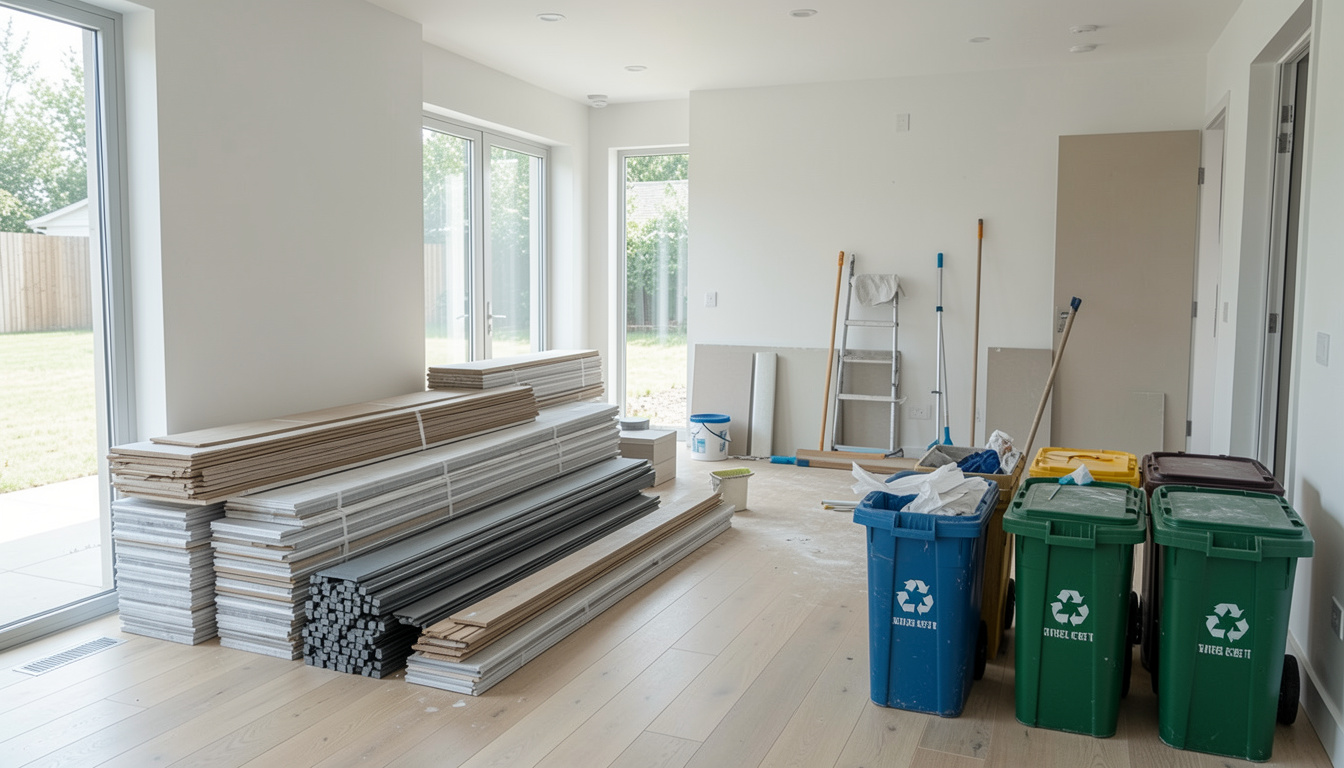
Renovating or remodeling your home is an exciting process that brings fresh energy and new possibilities. However, once the renovations wrap up, many homeowners are left facing a daunting challenge: cleaning up the debris and clutter left behind. Simplifying your post-renovation cleanup can make all the difference, especially when you incorporate sustainable junk removal habits. If you want a stress-free process, consider starting with trusted residential junk removal services to efficiently handle construction debris, unwanted furniture, and general clutter.
Adopting an eco-friendly approach to junk removal enhances tidiness and reduces environmental impact post-renovation. Planning ahead and using professional services can lead to recycling, reusing, or donating waste rather than sending it to a landfill. Effective strategies for managing leftover clutter include sorting materials and identifying reusable, recyclable, or compostable items. Engaging reputable eco-friendly junk removal professionals simplifies the process, especially for bulky items, allowing homeowners to enjoy their refreshed spaces sooner.
Assess Before You Toss: Sorting Your Renovation Junk
Before you begin hauling debris out to the curb, take time to sort renovation waste. Categorize items as reusable, recyclable, donatable, or destined for disposal. Common leftovers like old cabinets, doors, tiles, or lighting fixtures might have life left in them, even if they do not fit your updated space. Methodical sorting prevents useful materials and recyclables from ending up in landfills and streamlines removal efforts for both homeowners and waste management professionals.
Donation and Reuse of Salvageable Materials
Many components from a remodeling project can find second lives in other homes or community spaces. Charitable organizations, local schools, or building material reuse centers often accept items such as old fixtures, cabinets, wood, flooring, and even appliances. Groups like Habitat for Humanity’s ReStores are excellent resources for donating gently used goods, supporting both sustainability and affordable housing efforts.
Recycling Basics for Construction Waste
Recycling plays a critical role in post-renovation cleanup. Many construction materials, such as metals, glass, drywall, plastics, and wood, are recyclable if properly separated. Consult your local municipality or recycling provider to ensure your materials meet their guidelines and restrictions. The United States Environmental Protection Agency offers comprehensive resources for C&D (construction and demolition) recycling to ensure responsible practices.
Composting Renovation Debris
If your renovation included landscaping or outdoor updates, you might have organic debris such as dirt, cut branches, or tree trimmings. Instead of bagging these for landfill collection, consider composting them to create nutrient-rich soil for your new landscaping. Many communities offer curbside green waste collection or local composting stations for added convenience.
Choosing Eco-Friendly Junk Removal Services
For significant renovation projects, hiring an experienced team can be highly beneficial. Look for junk removal services with a clear commitment to sustainability—those who recycle or donate a large portion of what they collect. As highlighted in a press release, some companies are taking the lead by offering eco-friendly solutions designed to divert waste from landfills and give back to communities.
DIY Junk Removal Tips for Homeowners
- Schedule cleanup days throughout your project, not just at the end, to break the process into manageable steps.
- Invest in sturdy, reusable bins or tarps to efficiently sort materials and reduce the use of disposable plastics or bags.
- Coordinate regular donation or recycling runs to prevent clutter from piling up, particularly if space is limited.
- Stay informed about local disposal events or hazardous-waste collection days to properly dispose of items such as old paint, solvents, or electronics.
Involving the Community in Cleanup Initiatives
Taking part in neighborhood cleanup projects or building material swap days can benefit more than just your own household. By pooling resources or organizing group donations, residents can divert more usable items from the landfill and foster stronger community ties. Cities such as Minneapolis have shown the positive results of citywide sustainable disposal initiatives, which increase recycling rates and support community re-use efforts.
Conclusion
Cleaning up after a renovation doesn’t have to be stressful. By carefully sorting debris, embracing donation and recycling programs, considering composting where appropriate, and leveraging professional and community resources, you can turn post-renovation cleanup into an environmentally responsible and surprisingly manageable part of your home improvement journey. A little foresight and a partnership with sustainable junk removal providers let you enjoy your renewed living space without leftover mess or environmental guilt.