
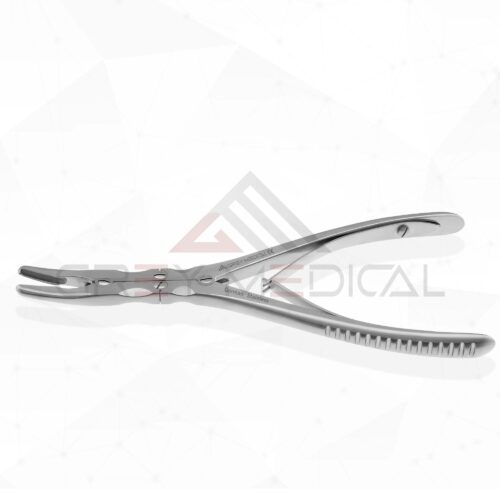
Bone rongeurs are essential surgical instruments designed to remove, trim, and reshape bone during various surgical procedures. Surgeons rely on these specialized tools to achieve precision, maintain control, and prepare bone structures for further treatment. Their strong construction and carefully designed jaws make them valuable instruments in orthopedic, dental, and neurosurgical settings. Whether a procedure requires removing small bone fragments or reshaping an uneven surface, bone ronguers help surgeons perform these tasks with accuracy and efficiency.
Understanding their design, applications, and features can help medical professionals select the right instrument for their surgical requirements. Moreover, choosing high-quality instruments supports consistent performance and helps maintain professional surgical standards.
What Are Bone Rongeurs?
Bone rongeurs are handheld surgical instruments used to cut, bite, and remove small sections of bone. They feature sharp, sturdy jaws that allow surgeons to remove unwanted bone material in a controlled manner. Unlike ordinary surgical forceps, these instruments have specially designed cutting edges that can handle dense bone tissue.
Manufacturers produce different styles to meet specific surgical needs. Some models feature straight jaws, while others have curved or angled designs to improve access to difficult anatomical areas. Additionally, their handles provide a secure grip, allowing surgeons to apply controlled pressure during procedures.
Because different operations require different levels of access and cutting capacity, medical professionals choose bone ronguers according to the surgical site and intended application.
Common Types of Bone Rongeurs
Different surgical procedures require different instrument designs. Therefore, manufacturers offer several types to support specific clinical applications.
1. Straight Bone Rongeurs
Straight models feature aligned jaws that provide direct access to accessible bone structures. Surgeons commonly use them when they need a clear approach to the surgical site.
2. Curved Bone Rongeurs
Curved designs help surgeons reach areas that may be difficult to access with straight instruments. Their angled jaws improve maneuverability in confined surgical spaces.
3. Kerrison Rongeurs
Kerrison rongeurs feature a specialized biting mechanism and commonly serve neurosurgical and spinal procedures. Surgeons use them to remove small portions of bone, particularly when working around delicate anatomical structures.
4. Double-Action Bone Rongeurs
These instruments use a double-action mechanism to increase cutting leverage. Consequently, they can help reduce the hand force required during certain bone-removal tasks.
Each design offers specific advantages. However, surgeons should always select an instrument that matches the procedure, anatomical requirements, and professional guidelines.
Applications of Bone Rongeurs in Surgery
Bone rongeurs serve several purposes across different surgical specialties. Their ability to remove small amounts of bone makes them particularly useful when precision matters.
In orthopedic surgery, professionals use these instruments to trim uneven bone edges and remove unwanted bone fragments. Similarly, neurosurgeons may use specialized rongeurs during spinal procedures to remove portions of bone and create the necessary surgical access.
In dental and oral surgery, suitable bone-cutting instruments can help reshape bone surrounding treatment areas. Furthermore, surgeons may use them during reconstructive procedures when they need to modify specific bone structures.
The controlled cutting action of bone ronguers allows medical professionals to work carefully around surrounding tissues. Nevertheless, proper surgical training and technique remain essential for safe instrument use.
Important Features to Consider When Choosing Bone Rongeurs
Selecting the right surgical instrument requires attention to several important features. First, examine the material because high-quality surgical stainless steel offers strength, durability, and corrosion resistance when properly maintained.
Next, consider the jaw design. Straight, curved, and angled models provide different levels of access, so the intended surgical application should guide the selection.
Handle comfort also matters. An ergonomic design can support a secure grip and improve handling during lengthy procedures. Additionally, inspect the cutting edges to ensure they meet the manufacturer’s specifications and remain in suitable working condition.
Finally, consider cleaning, sterilization, and maintenance requirements. Proper instrument processing helps protect patients and preserve the instrument’s service life. By evaluating these features, healthcare facilities can choose bone ronguers that meet their clinical needs.
Cleaning and Maintenance of Bone Rongeurs
Proper maintenance plays an important role in preserving surgical instrument performance. After each use, trained personnel should follow the manufacturer’s instructions for cleaning and decontamination.
First, remove visible organic material using approved cleaning methods. Then, clean the instrument carefully, paying particular attention to the jaws, joints, and other areas where debris may collect.
After cleaning, inspect the instrument for damage, corrosion, misalignment, or worn cutting edges. Next, follow the recommended sterilization process before returning it to clinical use.
Furthermore, proper storage helps protect the instrument from unnecessary damage. Keeping surgical tools organized in suitable trays can also make inspection and preparation easier.
Why Quality Matters in Surgical Instruments
Quality directly influences the reliability and handling of surgical instruments. A well-manufactured instrument provides consistent mechanical performance and supports the precision required in demanding surgical environments.
Grey Medical® is a privately owned medical technology company dedicated to innovation and excellence in the craft of surgical instrument. The company focuses on providing professionally manufactured surgical instruments that serve the needs of healthcare professionals.
When selecting bone ronguers, medical facilities should consider material quality, manufacturing standards, design, and compatibility with their intended applications. In addition, regular inspection and appropriate maintenance help healthcare professionals maintain dependable instrument performance.
Conclusion
Bone rongeurs remain important ent instruments in orthopedic, dental, and neurosurgical procedures because they help surgeons remove and reshape bone with controlled precision. Their different jaw designs, cutting mechanisms, and handle configurations support a wide range of surgical requirements.
However, selecting the correct instrument requires careful consideration of its design, material, functionality, and maintenance requirements. With proper handling, cleaning, and sterilization, these instruments can support reliable surgical workflows.
For healthcare professionals seeking dependable surgical solutions, Grey Medical® emphasizes quality, precision, and innovation. Choosing suitable bone ronguers can help medical teams maintain professional standards and support effective surgical preparation.
 jwhned.wdkweo
 bill.henry
 dgc.submission