
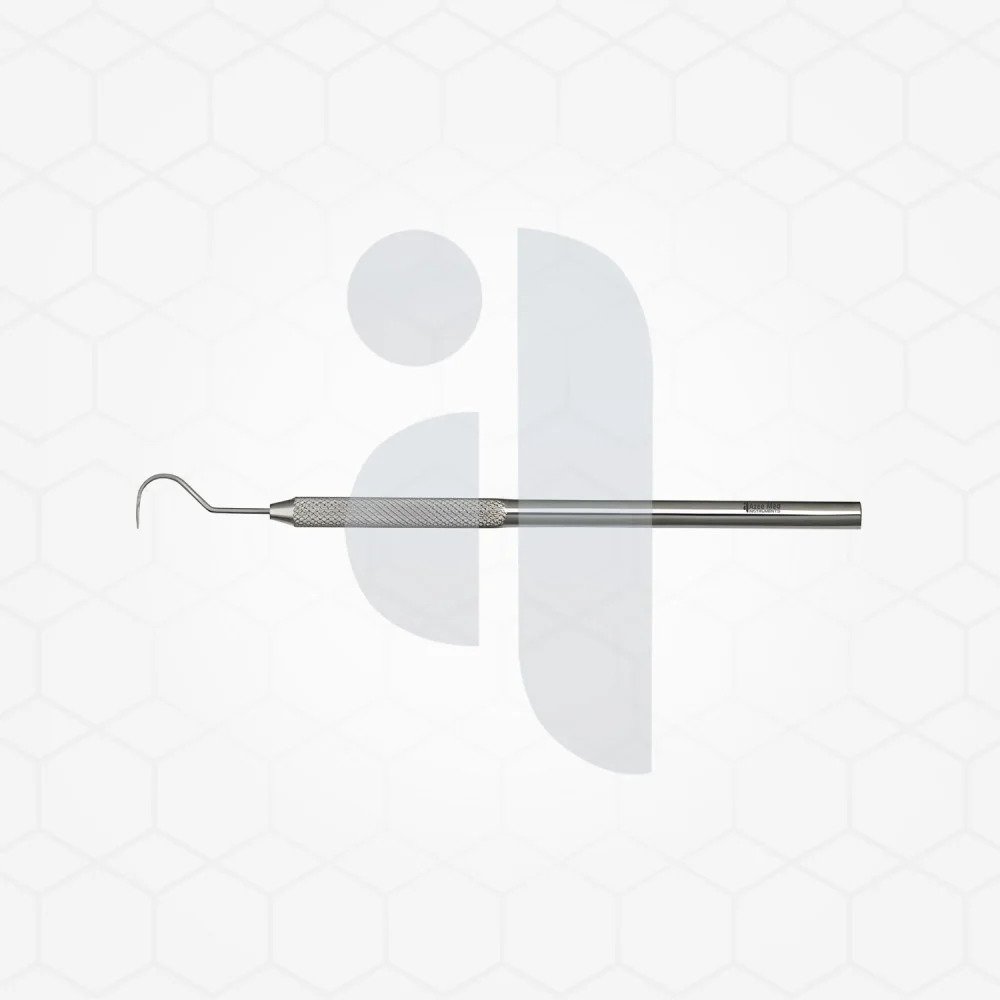
Some instruments look modest on the tray but deliver big results in the chair. The shepherd hook explorer is a perfect example! With its slim shank and gently curved tip, this tool helps dental professionals detect problems early and examine teeth with confidence. How the instrument works, where shepherd hook explorer shines in daily practice, and simple tips to keep it performing at its best.
What Makes This Explorer Unique
The name comes from its distinctive shape. The working end curves like a shepherd’s crook and finishes in a fine, sharp point. This design lets clinicians reach the occlusal surfaces, pits, and fissures of teeth with ease. Often labeled the No. 23 explorer, the shepherd hook explorer is commonly made from stainless steel and may come single-ended or paired with another tip for added versatility.
How Clinicians Use It Every Day
You’ll find this instrument at work in routine exams and restorative checkups. Dentists use it to feel for soft spots that may signal decay, locate calculus, and check the margins of fillings and crowns. Hygienists value the shepherd hook explorer for its excellent tactile feedback, which transmits tiny surface changes straight to the fingertips. Here’s a helpful tip: use a light modified pen grasp and gentle pressure. A soft touch gives clearer feedback and protects delicate enamel.
Why Tactile Sensitivity Matters
Have you ever felt a tiny catch at a restoration margin that you couldn’t see? That subtle sensation can reveal an open margin or early breakdown. A thin, flexible shank makes the shepherd hook explorer especially responsive, so small irregularities don’t go unnoticed. Early detection supports better treatment planning and more comfortable outcomes for patients.
Caring for Your Instrument
Good care keeps your explorer sharp and reliable. Rinse it promptly after use, clean it thoroughly, and sterilize it according to your facility’s protocol. Inspect the tip under good light before each use. Because explorers aren’t usually resharpened, replace any shepherd hook explorer with a dull, bent, or damaged tip right away. A crisp point is what gives the instrument its accuracy!
Choosing a Quality Explorer
Not every explorer offers the same feel. Look for premium stainless steel, a comfortable handle with secure grip texture, and a well-balanced design that reduces hand fatigue during long appointments. A dependable molt elevator should hold its shape, resist corrosion, and deliver consistent feedback from the first exam to the hundredth.
Conclusion
This small instrument plays a big role in modern dental care. Its curved design, fine tip, and impressive tactile sensitivity help clinicians spot decay, find calculus, and evaluate restorations with accuracy. Use it with a light touch, inspect it often, and replace it when the tip wears down. When you’re ready to upgrade your tray, choose a shepherd hook explorer from AzeeMed and enjoy instruments crafted for precision, comfort, and lasting performance!
 gr.phones
 bill.henry