
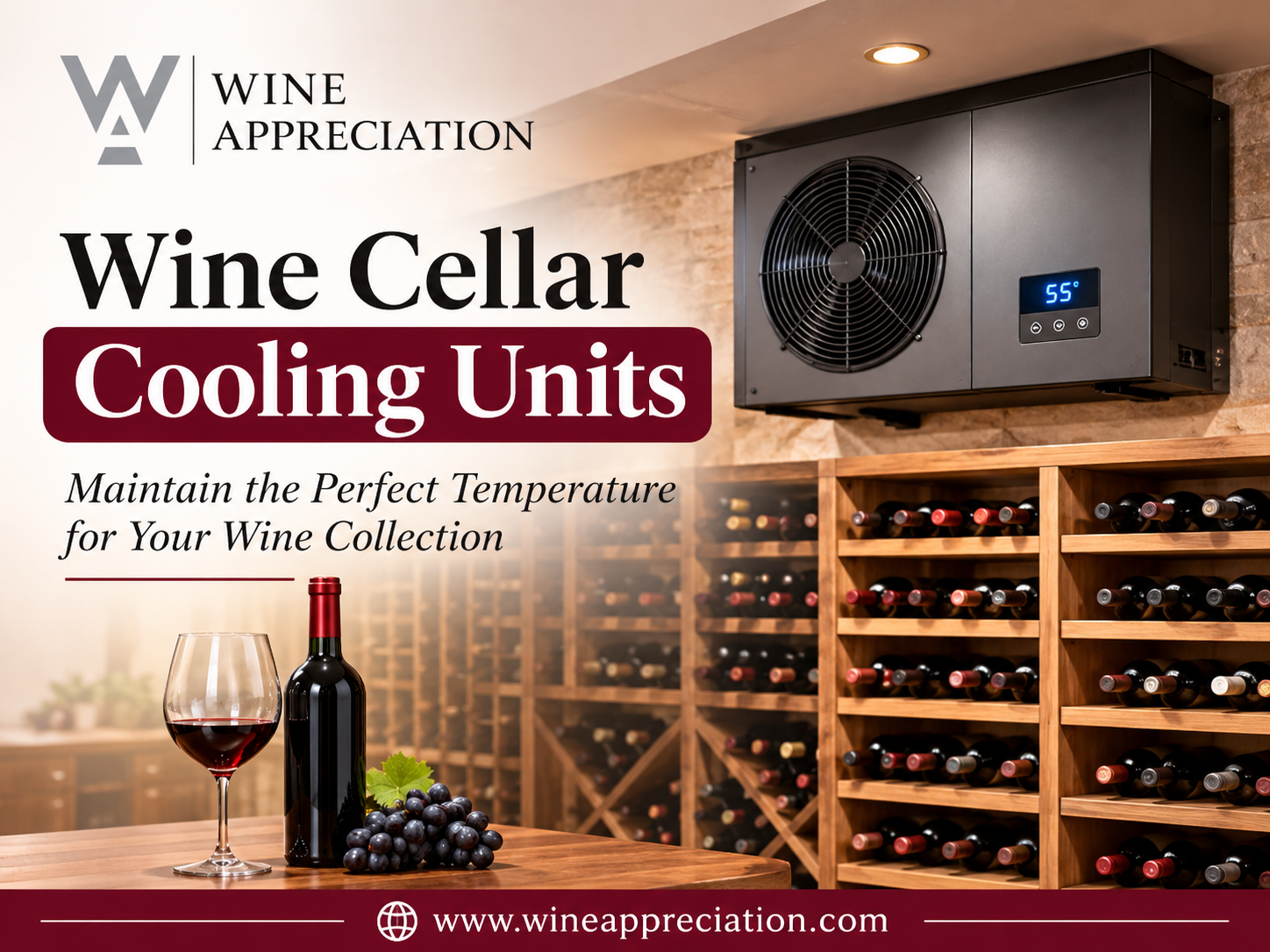
Creating a suitable environment for wine storage requires more than attractive racks and cabinets. Temperature stability, humidity, airflow, and proper insulation all play important roles in protecting wine quality over time. Choosing the right wine cellar cooling units is an important step when building a new cellar or upgrading an existing one. The right system helps maintain consistent conditions while reducing the risk of temperature fluctuations. Understanding cooling capacity, installation requirements, and compatible accessories can help you make a practical decision for your storage space.
Calculate Your Cellar Size and Cooling Requirements
Before selecting a cooling system, measure the cellar’s length, width, and height. These measurements help determine the room’s total volume and provide a starting point for calculating cooling requirements.
However, room size is not the only consideration. Insulation quality, ceiling height, lighting, glass doors, outside temperatures, and the number of people entering the cellar can affect the cooling load.
A poorly insulated room may require a more powerful system than a smaller, well-insulated space. Consider these factors before choosing equipment to avoid unnecessary energy use or insufficient cooling performance.
Understand Different Types of Cooling Systems
Wine cellar cooling equipment comes in several configurations. Each type has different installation and ventilation requirements.
- Through-the-wall systems: These units are installed through a wall and are often suitable for smaller cellars with an appropriate exhaust area.
- Split cooling systems: These have separate evaporator and condenser sections, providing more flexibility for installation and heat removal.
- Ducted systems: These distribute conditioned air through ducts and can help maintain a clean appearance inside the cellar.
Your choice should depend on cellar dimensions, available installation space, noise preferences, and ventilation arrangements. Always review manufacturer specifications before purchasing.
Choose Compatible Wine Cellar Accessories
Accessories support the operation, installation, and maintenance of cooling equipment. When comparing wine cellar cooling units, check which additional components may be required.
Some useful accessories include:
- Temperature controllers: Help monitor and manage cellar temperature settings.
- Replacement filters: Support proper airflow and help reduce dust accumulation where applicable.
- Drainage components: Manage condensation produced during normal cooling operation.
- Mounting hardware: Provides suitable support for equipment installation.
- Replacement parts: Help address worn or damaged components and maintain system functionality.
Not every cooling system uses the same accessories. Check model compatibility before ordering replacement components.
Check Temperature and Humidity Control
Wine generally benefits from a stable storage temperature. Many collectors use approximately 55°F (13°C) as a reference point, although suitable conditions can vary depending on the collection and storage goals.
Humidity also deserves attention. A relative humidity range of approximately 50% to 70% is commonly used as a practical reference for cork-sealed bottles. Very dry conditions may contribute to cork drying, while excessive moisture can encourage mold growth.
Use reliable monitoring equipment to track temperature and humidity. Avoid assuming that every cooling unit controls both conditions automatically.
Consider Installation and Maintenance Requirements
Proper installation is essential for reliable cooling performance. Check the manufacturer’s requirements for electrical connections, ventilation clearance, drainage, and mounting.
Routine maintenance also helps keep equipment operating as intended. Clean accessible filters, inspect drainage lines, check for unusual noises, and monitor temperature readings. Arrange professional servicing when the system shows signs of poor performance.
Keeping the installation manual and model information available makes it easier to identify compatible replacement parts when needed.
Buy Cooling Equipment from a Reliable Supplier
Product specifications and compatibility matter when purchasing cellar equipment. Look for clear technical information, model details, installation guidance, and access to suitable replacement components.
Wine Appreciation offers wine cellar cooling units, accessories, and related storage products to help customers find equipment for different cellar requirements. Reviewing product specifications before making a purchase can help you select components that match your setup.
Conclusion
Choosing suitable wine cellar cooling units and accessories requires careful planning. Start by evaluating cellar dimensions, insulation, ventilation, and cooling requirements. Then compare system types, temperature controls, compatible accessories, and maintenance needs. A properly selected and installed system can help maintain stable storage conditions and support long-term cellar performance. Before purchasing, review manufacturer recommendations and confirm that every accessory matches your equipment. Visit Wine Appreciation to explore wine cellar cooling units and accessories for your storage project.
Frequently Asked Questions (FAQs)
1. What temperature should a wine cellar maintain?
Many wine collectors use approximately 55°F (13°C) as a general storage reference. Consistency is important, so avoid frequent temperature fluctuations.
2. What are the main types of wine cellar cooling units?
The common options include through-the-wall, split, and ducted cooling systems. Each has different installation and ventilation requirements.
3. Are accessories necessary for wine cellar cooling systems?
Some accessories are essential for installation, drainage, monitoring, or maintenance. Requirements depend on the cooling unit’s model and design.
4. How often should a wine cellar cooling unit be maintained?
Check filters, drainage, airflow, and temperature readings regularly. Follow the manufacturer’s recommended maintenance schedule for cleaning and servicing.
5. How do I choose compatible replacement parts?
Check the equipment’s brand, model number, and part specifications. Consult the manufacturer or supplier if compatibility is uncertain.
 john.wick