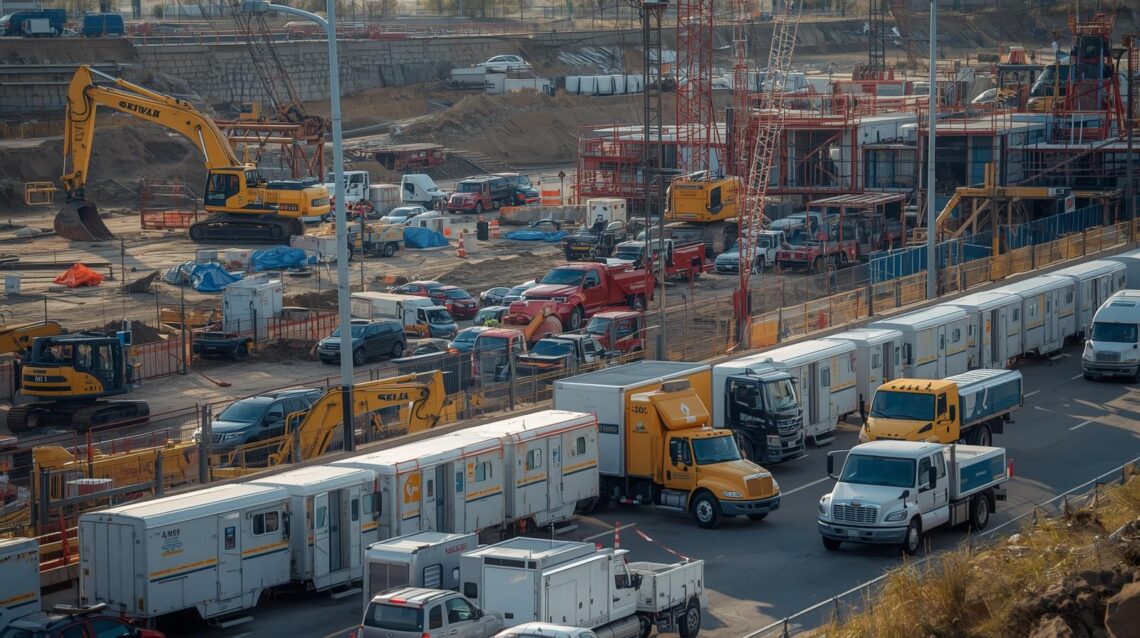
Portable Toilet Placement for Large Equipment and Heavy Traffic Job Sites
Construction sites that involve large equipment and constant vehicle movement require careful planning for every aspect of the layout including portable sanitation. On busy projects where cranes, loaders, dump trucks, forklifts, and excavators are operating throughout the day, portable toilet placement becomes more than a convenience issue. Improper placement can interfere with workflow, create safety hazards, and make servicing difficult.
For contractors, positioning portable restrooms correctly helps support productivity, maintain safe movement across the site, and ensure workers always have accessible facilities without disrupting operations.
Why Placement Matters More on Heavy Equipment Sites
On smaller projects, portable restrooms can often be placed near the edge of the property without much concern. Large construction sites are different. Heavy machinery, delivery trucks, and constantly changing work zones create a dynamic environment where poor placement can quickly become a problem.
Improperly placed units may:
- Block equipment access routes
- Interfere with material deliveries
- Create congestion in active work zones
- Become difficult or unsafe for workers to access
Strategic placement helps prevent these issues and keeps operations moving efficiently.
Understanding Traffic Flow Across the Job Site
Before placing portable restrooms, contractors should evaluate how equipment and personnel move throughout the site. Understanding daily traffic patterns helps identify safe and accessible locations.
Key traffic considerations include:
- Main equipment travel routes
- Delivery and staging areas
- Crane swing zones
- Employee walkways and gathering areas
Portable restrooms should support site movement rather than disrupt it.
Positioning Units Away from Active Equipment Routes
Heavy machinery operates continuously on large construction projects, often with limited visibility and tight maneuvering areas. Portable toilets should never be placed directly in active equipment paths.
Safer placement strategies include:
- Positioning units outside major travel lanes
- Keeping restrooms away from loading zones
- Avoiding areas where backing vehicles operate frequently
This reduces the risk of accidental contact and improves overall safety.
Maintaining Easy Access for Workers
While units should be separated from heavy traffic areas, they also need to remain convenient for workers to access throughout the day.
Contractors should aim to:
- Place restrooms near active work zones without creating hazards
- Reduce long walking distances for crews
- Ensure clear pedestrian access paths
Balancing convenience with safety is essential for effective placement.
Planning for Changing Work Zones
Large construction sites evolve constantly. Areas that are open during early phases may later become active equipment zones or staging areas.
Contractors should be prepared to:
- Relocate portable restrooms as the project progresses
- Adjust placement when traffic patterns change
- Coordinate moves during major construction transitions
Flexible planning helps maintain accessibility throughout the project.
Choosing Stable and Level Ground
Portable restrooms must be positioned on stable, level surfaces to ensure safe use and prevent shifting during operation or servicing.
Good placement areas include:
- Compacted gravel surfaces
- Stable dirt or construction pads
- Temporary staging areas with solid footing
Avoid placing units in muddy, sloped, or unstable areas where heavy rain or equipment vibration could affect stability.
Coordinating with Material Delivery Areas
Busy job sites often receive constant deliveries of steel, concrete, lumber, and equipment. Portable restrooms should not interfere with unloading operations.
Contractors should ensure units are:
- Positioned away from loading docks and staging zones
- Not blocking truck turning radiuses
- Clear of material storage areas
This helps prevent delays and keeps deliveries moving efficiently.
Ensuring Service Vehicle Access
Portable toilets require regular cleaning and maintenance, which means service trucks must be able to reach them safely.
When planning placement, contractors should consider:
- Clear access routes for service vehicles
- Adequate room for trucks to maneuver
- Avoiding areas that may become blocked later in the project
Accessible placement ensures consistent servicing throughout the construction timeline.
Many contractors coordinate service schedules through porta potty rental providers to maintain regular maintenance on active job sites.
Separating Pedestrian and Equipment Traffic
One of the most effective safety strategies on large sites is separating pedestrian movement from equipment traffic whenever possible.
Portable restroom placement can support this by:
- Positioning units near designated walking paths
- Avoiding crossings through active machinery zones
- Keeping workers out of high-risk traffic areas
This helps reduce unnecessary interaction between personnel and heavy equipment.
Providing Adequate Coverage Across Large Sites
On expansive construction projects, a single restroom area may not be enough. Workers should not need to travel excessive distances to access facilities.
Large projects may require:
- Multiple restroom stations across the site
- Units positioned near separate work crews
- Additional coverage for remote work zones
Distributing units strategically improves convenience and reduces downtime.
Accounting for Weather Conditions
Weather can significantly affect restroom placement on construction sites. Rain, mud, and high winds may impact accessibility and stability.
Contractors should:
- Avoid low areas prone to flooding
- Ensure pathways remain accessible in wet conditions
- Secure units in areas exposed to heavy wind
Planning for weather helps maintain usability throughout the project.
Supporting Productivity Through Smart Placement
Portable restroom placement directly affects productivity. When facilities are easy to access and positioned correctly, workers spend less time walking across the site and more time focused on tasks.
Effective placement helps:
- Reduce unnecessary downtime
- Improve crew efficiency
- Support smoother site operations
These small logistical improvements add up over the course of large projects.
Maintaining Clean and Professional Job Sites
Well-positioned and properly maintained portable restrooms also contribute to a more organized and professional appearance on the job site.
Good sanitation planning helps:
- Reduce clutter in active work zones
- Improve site organization
- Support cleaner conditions overall
A well-organized site reflects positively on contractors and project management teams.
Adapting Placement During Different Construction Phases
As structural work progresses, equipment patterns and crew locations often shift. Portable restroom placement should evolve alongside these changes.
Contractors may need to:
- Move units closer to new work zones
- Relocate restrooms away from active crane operations
- Adjust placement as staging areas change
Regular evaluation ensures facilities remain accessible and safe.
Establishing Clear Placement Policies
On large sites, having clear guidelines for restroom placement helps maintain consistency throughout the project.
Contractors should establish policies regarding:
- Approved placement zones
- Required service access clearances
- Distance from heavy equipment routes
Clear standards simplify planning and improve coordination.
Portable toilet placement on large equipment and heavy traffic job sites requires careful coordination between safety, accessibility, and operational efficiency. By understanding site traffic patterns, maintaining clear service access, and positioning units strategically, contractors can create a safer and more organized environment for workers.
When placement is handled correctly, portable sanitation supports productivity instead of becoming an obstacle. For large construction projects, thoughtful restroom planning is an important part of maintaining efficient and successful job site operations.

ceo asif
Hi, I’m Asif, the creator of Decor Luxury Home! Passionate about home design, DIY projects, and stylish living, I share practical tips and creative ideas to help you transform your home into a cozy, functional, and beautiful space. Whether you're looking for renovation hacks or home decor inspiration, you've come to the right place

You May Also Like