
Introduction
A central air system is one of the most significant investments in your home, and replacing it prematurely can cost thousands of dollars. With proper care, most central air conditioning systems can last well beyond their expected lifespan, while neglected systems often fail years ahead of schedule. The difference usually comes down to routine maintenance and a few good habits. This guide explains how to extend the life of your central air system through simple, proactive steps that protect your investment and keep your home comfortable for years to come.
Understanding Your System’s Expected Lifespan
Most central air conditioning systems are designed to last between 15 and 20 years with proper maintenance, though this varies based on usage, climate, and installation quality. Systems that run constantly in hot climates or receive little maintenance often need replacement much sooner. Understanding this baseline helps you set realistic expectations and recognize when your system is underperforming for its age, which is often the first sign that something needs attention before a full breakdown occurs.

Seasonal Maintenance Checklist
Different maintenance tasks matter at different times of year. Following a seasonal checklist ensures nothing important gets overlooked.
| Season | Maintenance Task |
| Spring | Replace filter, clear debris from outdoor unit |
| Summer | Check refrigerant levels, monitor performance |
| Fall | Cover outdoor unit, inspect ductwork |
| Winter | Schedule professional tune-up, check thermostat settings |
Keeping Your Outdoor Unit in Good Condition
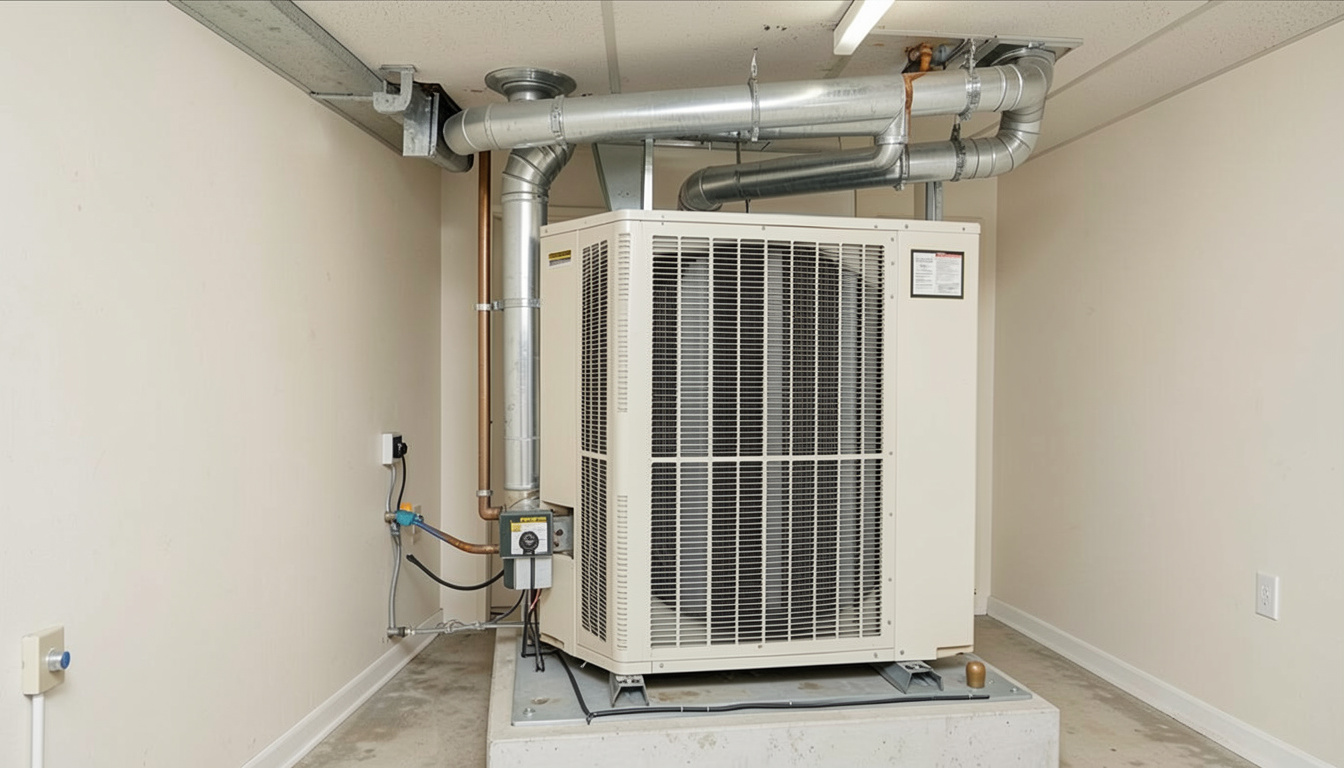
Your outdoor condenser unit needs regular attention to function efficiently. Keep at least two feet of clearance around it, clear away leaves, grass clippings, and debris regularly, and gently rinse the fins with a garden hose to remove dirt buildup. Avoid using a pressure washer, which can bend the delicate fins and reduce airflow. Trim nearby shrubs and vegetation to maintain good airflow around the unit, since restricted airflow forces the system to work harder and wears down components faster.

Signs Your System Needs Professional Attention
Catching problems early prevents small issues from turning into major, costly repairs.
| Warning Sign | Possible Issue |
| Weak airflow | Clogged filter or blocked duct |
| Warm air from vents | Refrigerant leak or compressor issue |
| Unusual noises | Loose or worn components |
| Frequent cycling | Thermostat or sizing issue |
| Higher energy bills | Declining system efficiency |
The Role of Professional Maintenance
While homeowner maintenance covers a lot of ground, an annual professional tune-up catches issues DIY checks can’t, such as checking refrigerant charge, testing electrical connections, and inspecting internal components. Technicians can also identify early wear on parts like the compressor or capacitor before they fail completely. Scheduling this service each spring, before peak cooling season begins, helps ensure your system runs efficiently through the hottest months and extends its overall operating life.

Habits That Shorten Your System’s Lifespan
- Skipping filter changes for months at a time
- Setting the thermostat to extreme temperatures unnecessarily
- Ignoring unusual noises or performance changes
- Closing too many vents, which increases system pressure
- Delaying repairs until a small issue becomes a major failure
Practical Tips to Extend Your System’s Life
- Replace or clean filters every 1–3 months during peak season
- Keep the outdoor unit clear of debris and vegetation
- Use a programmable thermostat to reduce unnecessary strain
- Schedule professional maintenance every spring before cooling season starts
- Seal and insulate ductwork to reduce system workload
- Address minor repairs promptly instead of waiting for a breakdown
Frequently Asked Questions
How long should a central air system last?
With regular maintenance, most systems last 15–20 years, though usage and climate can shorten or extend this range.
How often should I replace my air filter?
Most homeowners should replace filters every 1–3 months, more often during heavy summer use or with pets in the home.
Is it worth repairing an older AC unit?
If the unit is under 10 years old and the repair cost is reasonable, repair is often more cost-effective than replacement.
Can closing vents in unused rooms save energy?
No, closing too many vents can increase system pressure and actually reduce efficiency and lifespan.
How often should I get professional AC maintenance?
An annual tune-up, ideally in spring before peak cooling season, is generally recommended for most systems.
What’s the most common reason central air systems fail early?
Neglected filter changes and lack of routine maintenance are among the most common causes of premature system failure.
Conclusion
Extending the life of your central air system doesn’t require major investment it comes down to consistent, proactive maintenance. From replacing filters regularly and keeping your outdoor unit clean to scheduling annual professional tune-ups, these simple habits protect your system from premature wear and costly breakdowns. By following the tips in this guide, you can help your central air system run efficiently for its full expected lifespan, or even beyond it, while keeping your home comfortable and your energy bills in check.