
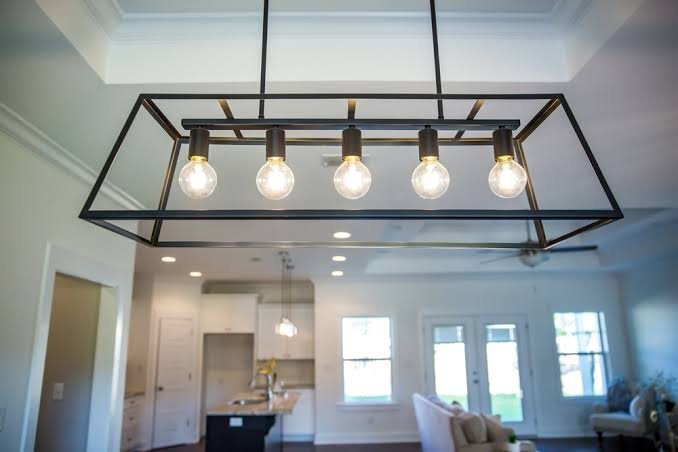
Electrical systems support almost every part of a modern home, workplace, and commercial building. From lighting rooms and powering appliances to connecting equipment and protecting electrical circuits, the right components help create a functional and dependable environment. Whether you are planning a lighting upgrade, replacing an outdated fixture, or organizing an electrical installation, choosing compatible supplies is an important first step.
Finding the right Electrical Fixtures and accessories involves more than selecting products based on appearance. Bulbs, switches, outlets, wiring, conduit, connectors, and lighting fixtures all serve different purposes. Understanding these categories can help you plan projects more effectively and identify the components required for each application.
Understand the Main Types of Electrical Fixtures and Supplies
Electrical projects often involve several components that must work together. A lighting installation, for example, may require a fixture, compatible bulb, electrical box, wiring, connectors, and a suitable switching arrangement.
Common electrical supply categories include:
- Lighting fixtures: Indoor, outdoor, decorative, utility, and under-cabinet lighting options.
- Light bulbs: LED, fluorescent, compact fluorescent, incandescent, and specialty bulbs.
- Switches and receptacles: Components used to control lighting and provide electrical access.
- Electrical wiring: Conductors used to carry electricity through suitable electrical systems.
- Conduit and fittings: Components used to route and protect electrical wiring where required.
- Electrical boxes and covers: Enclosures and protective covers used for appropriate electrical connections and installations.
- Connectors and terminals: Accessories used to make compatible electrical connections.
- Circuit protection devices: Components designed to help protect electrical circuits against specified fault conditions.
Identifying the purpose of each component before purchasing supplies can help reduce compatibility issues and unnecessary replacements.
Choose Lighting Fixtures According to the Purpose of Each Room
Lighting affects how people use and experience a space. A kitchen needs practical illumination for food preparation, while a living room may benefit from a combination of general and accent lighting. Outdoor areas have different requirements involving visibility, weather exposure, and installation conditions.
Functional Indoor Lighting
Functional indoor lighting provides general illumination for everyday activities. Ceiling-mounted fixtures, utility lights, and other practical lighting options can be used in kitchens, hallways, laundry rooms, garages, and work areas.
When selecting an indoor fixture, consider the room dimensions, ceiling height, desired light distribution, and compatibility with the existing electrical arrangement.
Decorative Lighting
Decorative fixtures contribute to the visual design of a room while providing illumination. Their style, size, finish, and placement should complement the surrounding furniture and architectural features.
For a balanced result, consider how decorative lighting works alongside general room lighting rather than relying on one fixture to meet every lighting requirement.
Under-Cabinet Lighting
Under-cabinet lighting is useful in kitchens, workshops, and other areas where additional illumination is needed near a work surface. It can help reduce shadows created by overhead lighting and make detailed tasks easier.
Before selecting an under-cabinet system, check the available installation space, power requirements, mounting method, and control options.
Outdoor Area Lighting
Outdoor lighting can improve visibility around entrances, pathways, patios, garages, and other exterior spaces. Fixtures intended for outdoor use should have appropriate environmental ratings for their installation location.
Consider exposure to rain, dust, moisture, and temperature changes. A fixture suitable for a covered entrance may not be appropriate for an exposed outdoor location.
Understand LED Bulbs and Other Lighting Options
Choosing a compatible light bulb is just as important as selecting the fixture itself. Different bulb technologies offer different operating characteristics, energy requirements, and lighting effects.
LED Light Bulbs
LED bulbs are widely used for residential and commercial lighting because they generally consume less electricity than traditional incandescent bulbs and have a longer rated operating life. They are available in different brightness levels, color temperatures, shapes, and base types.
When choosing an LED bulb, review:
- Brightness: Check the lumen rating to understand how much visible light the bulb produces.
- Color temperature: Choose a warmer or cooler appearance depending on the room and intended use.
- Base type: Confirm that the bulb base matches the fixture socket.
- Wattage: Follow the fixture’s maximum permitted wattage and electrical specifications.
- Dimming compatibility: If using a dimmer, verify that the bulb and control are compatible.
Fluorescent and Compact Fluorescent Bulbs
Fluorescent lighting remains relevant in certain existing installations, including utility and commercial applications. Compact fluorescent bulbs are designed for compatible fixtures that accept their particular shape and base.
Before replacing a fluorescent bulb, check its dimensions, base, electrical compatibility, and whether the existing fixture requires a specific ballast arrangement.
Specialty and Replacement Bulbs
Some applications require bulbs designed for particular fixtures or purposes. Flashlight bulbs, security lighting bulbs, replacement lamp components, and other specialty options may have specific voltage, size, or connection requirements.
Checking the original product markings or fixture documentation can help identify the correct replacement.
Switches, Receptacles, and Wall Plates: Small Components With Important Roles
Switches and receptacles are among the most frequently used electrical components in a building. They allow occupants to control lighting and connect compatible electrical equipment.
Common considerations include:
- Switch type: Select a switch designed for the intended lighting or control application.
- Receptacle rating: Verify that the outlet is suitable for the circuit and intended electrical load.
- Installation location: Special requirements may apply in bathrooms, kitchens, garages, and outdoor locations.
- Wall plate compatibility: Check the number of openings and mounting arrangement before purchasing a replacement cover.
- Appearance: Coordinate plate styles and finishes with the surrounding interior.
Damaged outlets, loose switches, unusual heat, buzzing, or visible electrical damage should be treated seriously. Stop using affected equipment and arrange an inspection by a qualified electrician.
Use the Correct Wiring, Conduit, and Electrical Fittings
Wiring and protective routing components are essential parts of many electrical installations. The correct selection depends on the circuit design, installation environment, applicable electrical codes, and equipment specifications.
Electrical Wire
Electrical wire is available in different conductor sizes, insulation types, and configurations. The appropriate selection depends on factors such as circuit rating, current requirements, installation method, and local electrical regulations.
Do not choose wire based only on its physical appearance. An electrician should verify the correct conductor type and size for the intended application.
Conduit and Electrical Fittings
Conduit provides a route for electrical conductors and can offer mechanical protection when installed according to the applicable requirements. Different conduit materials and fittings are designed for different environments and installation methods.
Before selecting conduit, consider the wiring arrangement, installation location, required protection, and compatibility of connectors and fittings. Properly matched components help create an organized installation.
Electrical Boxes and Covers
Electrical boxes provide suitable enclosures for many electrical connections, switches, and receptacles. Their size, material, mounting style, and intended application must match the installation requirements.
Appropriate covers help protect the enclosure and provide a finished appearance. Always follow requirements for box fill, accessibility, and approved installation methods.
Improve Electrical Organization With Plugs, Connectors, and Terminals
Electrical connectors and terminals help establish compatible connections between wires, devices, and equipment. These components are available in different sizes, configurations, and materials for specific applications.
Common examples include:
- Plugs and connectors for compatible electrical equipment.
- Wire terminals for specified conductor sizes.
- Spade, ring, and disconnect terminals.
- Electrical clips and connection accessories.
- Straps, staples, and other wire-management components.
- Electrical tape for applications permitted by its product rating and instructions.
Always confirm conductor gauge, connector rating, insulation requirements, and intended use. A connector that physically fits is not automatically suitable for every electrical application.
Do Not Overlook Circuit Protection and Electrical Testing
Electrical safety depends on correctly designed and maintained circuits. Circuit protection devices are selected to help protect wiring and equipment from specified electrical faults. Their ratings and installation must match the system design and applicable regulations.
Electrical testing tools can also help qualified professionals inspect and troubleshoot electrical systems. Depending on the task, equipment may include voltage testers, multimeters, and other suitable diagnostic instruments.
For homeowners and maintenance teams, recognizing warning signs is important. Frequently tripping breakers, burning smells, sparks, damaged insulation, or outlets that feel unusually warm can indicate a problem requiring professional attention.
Plan an Electrical Project Before Buying Supplies
Buying electrical materials without a clear project plan can lead to incorrect sizes, incompatible parts, and unnecessary expenses. A simple preparation process helps identify what is needed before installation begins.
- Define the project: Decide whether you are upgrading lighting, replacing an outlet, organizing wiring, or planning a new installation.
- Inspect existing components: Record fixture details, bulb bases, ratings, dimensions, and mounting requirements.
- Prepare a materials list: Identify the required fixtures, wiring accessories, connectors, boxes, and compatible components.
- Check product specifications: Review voltage, current, wattage, environmental ratings, and manufacturer instructions.
- Confirm code requirements: Make sure the planned installation complies with applicable electrical regulations.
- Arrange professional installation: Have qualified electrical work completed and inspected by an appropriately licensed professional where required.
Find Electrical Fixtures and Supplies at Central Mexicana
Whether you are updating indoor lighting, replacing compatible electrical accessories, or planning a larger installation, selecting the right components is essential. Understanding product specifications and installation requirements can help make electrical projects more organized and reduce the risk of incompatible purchases.
Explore the Electrical Fixtures selection at Central Mexicana for lighting products, LED bulbs, switches, receptacles, conduit, electrical boxes, connectors, testing tools, and other electrical supplies. Choosing appropriate products for each application can help you prepare for maintenance, upgrades, and new electrical projects with greater confidence.
 addams.will