
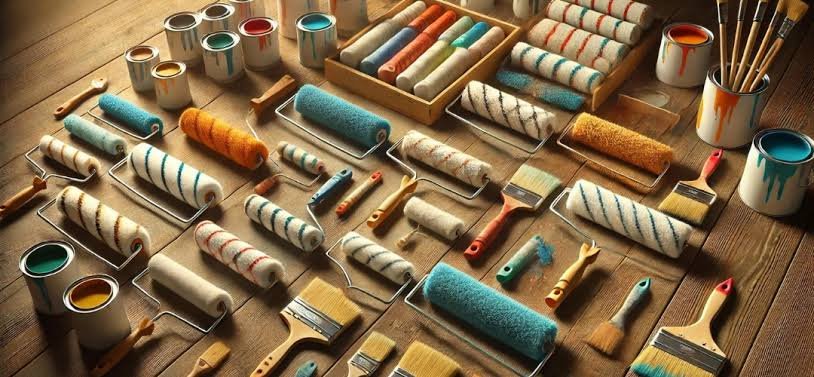
A successful painting project depends on more than selecting a quality paint color. The tools used to apply that paint also influence coverage, consistency, edge quality, and the final appearance of a surface. Using the wrong brush or roller can lead to uneven application, visible marks, unnecessary splatter, and additional work. Choosing suitable tools from the beginning helps make painting more efficient and produces a cleaner result.
Whether you are refreshing a bedroom, repainting cabinets, finishing trim, or handling a larger commercial project, the right Brushes And Rollers can make a noticeable difference. Understanding brush shapes, bristle materials, roller fabrics, and nap lengths helps you select equipment that works with your paint and surface instead of against them.
Start With the Painting Surface
Before choosing a brush or roller, consider the material and condition of the surface. Smooth drywall, textured plaster, wooden trim, and previously painted furniture each require a different approach. A tool that performs well on a broad wall may not provide enough control for narrow edges or detailed areas.
For example, a medium-width roller is useful for covering large wall sections, while an angled brush offers better control around corners, window frames, and baseboards. Textured surfaces generally require a roller cover capable of reaching into small depressions. Smooth surfaces benefit from shorter naps that help create a more uniform appearance.
Understanding Different Paint Brush Styles
Paint brushes are available in several shapes and widths. Each design serves a particular purpose, making it easier to control paint application across different areas.
Angled Sash Brushes for Precise Edges
Angled sash brushes feature slanted bristle tips that make it easier to paint straight lines and reach narrow spaces. They are particularly useful for cutting in along ceilings, painting window casings, working around door frames, and finishing baseboards.
The Wooster Softip Angle Sash Paint Brush is one example available through Norberg Paints. Its angled design helps with detailed work, while its soft-tip bristles support controlled application with latex and oil-based paints. A 2.5-inch brush offers a practical balance between coverage and maneuverability for many trim and edging tasks.
Flat Brushes for General Application
Flat brushes have a straight edge and are useful when applying coatings across wider, relatively accessible areas. They can be used for painting boards, small panels, furniture components, and other surfaces where a straight brush profile is convenient.
The width of the brush should match the size of the working area. A wider brush can cover more material with each stroke, while a narrower option provides better control around small components and tight spaces.
Chip Brushes for Utility Work
Chip brushes are straightforward tools commonly used for touch-ups, adhesives, stains, and general-purpose applications where a premium finishing brush is unnecessary. They are also useful for smaller projects and tasks involving disposable or easy-to-replace brushes.
Norberg Paints offers Premier flat chip brushes, including a 3-inch option with a wood handle and reinforced metal ferrule. This style can be useful for basic application and workshop tasks.
Choosing the Right Bristle Material
Brush performance is influenced by the material used in its bristles. The right choice depends on the coating being applied and the finish you want to achieve.
- Synthetic bristles: Commonly made from nylon, polyester, or a combination of fibers. They are generally suitable for water-based paints because they maintain their shape and provide consistent application.
- Natural bristles: Often used with certain oil-based coatings, stains, and specialty finishes. Their performance depends on the coating manufacturer’s recommendations.
- Blended bristles: Combine different fibers to balance paint pickup, release, flexibility, and control.
Always check the paint label and brush manufacturer’s recommendations before selecting a brush. Compatibility matters because an unsuitable bristle material can become difficult to control or produce an inconsistent finish.
How to Select the Best Paint Roller Cover
Rollers are designed to cover larger areas efficiently. However, not every roller cover works equally well on every surface. The fabric type, roller width, and nap length all influence how much paint the roller holds and how it transfers that paint onto the surface.
Match Roller Nap to Surface Texture
Nap refers to the thickness of the fabric covering a roller. Selecting the appropriate nap helps distribute paint evenly and reach the surface’s texture.
- Short nap: Generally suitable for smooth walls, ceilings, doors, and other even surfaces.
- Medium nap: A versatile choice for lightly textured drywall, ordinary interior walls, and many general painting applications.
- Long nap: Often useful for rougher surfaces, masonry, textured walls, and other uneven materials.
These are general guidelines rather than fixed rules. The coating manufacturer and roller-cover instructions should always guide the final selection.
Consider Roller Fabric and Paint Compatibility
Roller covers are made with different fabrics and construction methods. A suitable cover should pick up enough paint, release it consistently, and resist shedding fibers during application.
The Wooster Super/Fab FTP Synthetic Blend Roller Cover is an example of a roller option available at Norberg Paints. Its 1/2-inch nap is designed for semi-rough applications, and its shed-resistant construction supports a cleaner finish. The polypropylene core also provides durability during wet use.
When selecting a roller cover, consider the surface, paint type, desired finish, and recommended application method. A compatible cover helps reduce unnecessary passes and makes it easier to maintain consistent coverage.
When Mini Rollers Make More Sense
Full-size rollers are convenient for broad walls, but they can be difficult to maneuver around narrow surfaces and smaller components. Mini rollers provide a useful alternative when working in restricted areas.
They are particularly helpful for:
- Cabinet doors and smaller furniture panels.
- Closet interiors and narrow wall sections.
- Doors, trim, and other smaller painted surfaces.
- Touch-ups where a full-size roller would be inconvenient.
- Areas between fixtures or other obstacles.
The Wooster Jumbo-Koter Pro and Doo-Z mini roller covers are examples of compact roller options. Their 4.5-inch width makes them convenient for smaller painting areas where controlled coverage is more important than covering a large surface quickly.
Build a Brush and Roller Setup for Different Projects
Rather than relying on a single brush or roller, consider assembling a small collection of tools for different applications. This helps avoid using an oversized tool in a narrow area or an unsuitable roller on a textured surface.
For Interior Wall Painting
A medium-width roller with a suitable nap is a practical starting point for most ordinary wall projects. Keep an angled brush nearby for corners, edges, and areas around fixtures. A smaller roller can help finish narrow sections without repeatedly switching between large tools.
For Trim, Doors, and Cabinets
These projects require more attention to detail. An angled sash brush is useful around edges and profiles, while a small roller may help cover larger flat sections. Choose the brush and roller according to the coating’s application instructions and the finish required.
For Furniture and Decorative Projects
Furniture painting often involves curved edges, corners, and small details. A narrower brush provides better control, while a mini roller can help apply paint to flat sections. Avoid applying excessive paint, as heavy coats can create drips and uneven surfaces.
For Maintenance and General Utility Work
Keep a few utility brushes available for small repairs, touch-ups, and workshop tasks. A basic chip brush can be useful for applications that do not require a fine decorative finish. Separate brushes for different coating types whenever possible to avoid contamination.
Techniques That Help Improve Paint Application
Even a high-quality brush or roller cannot compensate for poor application technique. A few simple practices can improve the appearance of the finished surface.
Prepare the Surface First
Remove loose paint, dust, grease, and other contaminants before applying a new coating. Repair imperfections and sand surfaces where necessary. Make sure the area is clean and dry, and apply an appropriate primer when the coating system requires one.
Load Brushes Without Overfilling
Dip only part of the bristle length into the paint instead of completely submerging the brush. Remove excess material against the inside of the container. This helps maintain control and reduces dripping during application.
Use Consistent Roller Pressure
Apply paint using controlled, overlapping passes. Avoid pressing too hard because excessive pressure can create uneven coverage and push paint toward the roller edges. Reload the roller when coverage begins to decrease rather than trying to stretch a small amount of paint across a large area.
Maintain a Consistent Working Edge
When painting a large wall, work in manageable sections and maintain a wet edge where practical. Overlapping sections while the paint is still workable helps reduce visible lap marks. Follow the recommended drying and recoating times for the selected product.
Cleaning and Storing Painting Tools
Proper cleaning can extend the useful life of reusable brushes and roller frames. The cleaning method depends on the coating used, so always follow the paint manufacturer’s instructions.
- Remove excess paint from the brush or roller before cleaning.
- Use the appropriate cleaning solution for the coating type.
- Work paint out of the bristles or roller fabric without damaging the material.
- Rinse or clean according to the manufacturer’s directions.
- Allow reusable tools to dry completely before storing them.
- Keep brushes protected so their bristles retain their original shape.
Do not leave brushes sitting in water or solvent for extended periods unless the manufacturer specifically recommends it. This can damage the handle, adhesive, or bristle structure. Store roller covers in a clean, dry place and replace covers that become hardened, damaged, or excessively contaminated.
Common Mistakes to Avoid When Using Brushes and Rollers
Many painting problems are caused by choosing unsuitable tools or using them incorrectly. Watch out for these common mistakes:
- Using the same brush for every task: Different shapes and widths are designed for different applications.
- Ignoring surface texture: An unsuitable roller nap may leave inconsistent coverage or fail to reach textured areas.
- Applying too much paint: Overloading brushes and rollers can create drips, splatter, and heavy coating buildup.
- Using worn roller covers: Damaged or hardened fabric can affect paint distribution and surface appearance.
- Skipping tool cleaning: Dried paint can reduce flexibility and make reusable tools harder to work with.
- Ignoring product instructions: Paint and coating manufacturers may recommend specific application tools for better performance.
Find the Right Painting Tools at Norberg Paints
Having the right application equipment makes it easier to approach painting projects with confidence. From angled sash brushes and flat utility brushes to synthetic-blend roller covers and compact mini rollers, selecting suitable tools can improve control, coverage, and finishing quality.
Norberg Paints offers professional painting supplies, including Wooster brushes and rollers, to support homeowners, contractors, and other painting professionals. Whether you are working on interior walls, detailed trim, furniture, or general maintenance, explore the available Brushes And Rollers to find tools suited to your next project. You can also visit the Norberg Paints team in Sioux Falls for help choosing painting equipment and supplies.
 mona.sharma
 logistics.vancouver
 we paint.well