
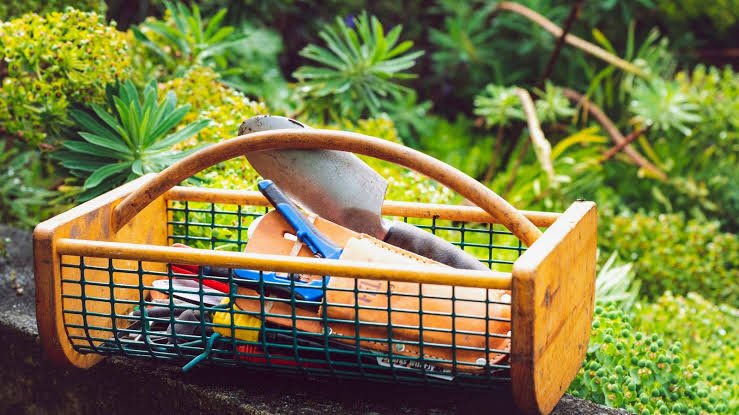
A beautiful garden can do more than improve the appearance of your outdoor space. With thoughtful planning, it can provide fresh vegetables, colorful flowers, herbs for everyday cooking, and a welcoming environment for pollinators. Whether you have a large backyard, a small patio, or a few planting containers, the right supplies make it easier to turn an ordinary outdoor area into a useful and enjoyable garden.
Choosing the right Garden Supplies starts with understanding what you want to grow and the conditions available in your space. Soil, planting containers, watering equipment, hand tools, and garden accessories all contribute to successful planting. A little preparation before the growing season can also help reduce unnecessary work and make better use of your available space.
Plan Your Garden Around Its Purpose
Before purchasing plants or gardening equipment, decide how you want to use the space. A vegetable garden has different requirements from a flower bed, herb garden, or pollinator-friendly planting area. Defining the purpose helps you choose appropriate plants, organize the layout, and avoid buying supplies you may not need.
Vegetable and Herb Gardens
Vegetable gardens are useful for growing fresh produce at home. Tomatoes, peppers, lettuce, beans, and seasonal vegetables can be grown in suitable garden beds or containers. Herbs such as basil, parsley, rosemary, and mint can also fit into smaller spaces.
When planning a vegetable garden, consider sunlight, available growing space, soil condition, and the mature size of each plant. Group plants with similar watering requirements together to make ongoing care easier. Keep taller plants from shading smaller varieties that need direct sunlight.
Flower Gardens for Color and Pollinators
Flower beds can add color and visual interest while providing food sources for bees, butterflies, and other beneficial insects. Consider selecting flowers with different blooming periods so that the garden offers resources throughout more of the growing season.
Choose varieties suited to your local climate and growing conditions. Where appropriate, include native flowering plants because they can provide valuable resources for local pollinators. Avoid relying on a single flower variety, and consider planting several types with different flower shapes and blooming periods.
Small-Space and Container Gardens
You do not need a large yard to enjoy gardening. Containers, raised beds, and vertical planters can help make use of patios, balconies, and other compact areas. Select containers with suitable drainage and enough room for the plants’ roots.
Container gardening is particularly useful for herbs, compact vegetables, and ornamental flowers. Since containers generally dry out faster than garden beds, plan for regular moisture checks and appropriate watering equipment.
Prepare the Soil Before Planting
Healthy soil provides the foundation for plant growth. Before adding seeds or transplants, examine the existing soil and determine whether it needs improvement. Soil that is compacted, poorly drained, or low in organic matter may require attention before planting.
A garden soil test can help identify pH levels and nutrient conditions. This information is more useful than adding fertilizer or amendments without knowing what the soil actually needs.
Improve the Growing Area With Suitable Soil
Topsoil can be useful for filling low areas, establishing new beds, and improving the planting area when the existing ground is unsuitable. Compost and other appropriate organic amendments can help improve soil structure and support healthy growing conditions.
For example, Ace All Purpose Top Soil is available in a 40-pound bag through Seashore Ace. It can be considered for general garden and lawn projects where additional topsoil is needed. Before using any soil product, review its intended applications and determine whether it is suitable for the plants and growing area.
Understand Drainage and Soil Structure
Good drainage is important because many plants struggle when their roots remain in waterlogged soil. If water collects around a planting area, consider whether the soil needs improvement or whether the garden layout should be adjusted.
Raised beds can be useful where the existing ground is difficult to work with. They also provide greater control over the growing medium and can make planting and harvesting more accessible. Choose an appropriate soil mix for the plants you intend to grow rather than filling every bed with ordinary topsoil alone.
Select Plants That Suit Your Growing Conditions
Plant selection should be based on sunlight, temperature, soil conditions, available space, and maintenance requirements. A plant that performs well in one location may struggle in another, even when it receives similar care.
Check Sunlight Requirements
Observe how much direct sunlight your garden receives during the day. Some vegetables and flowering plants perform best in full sun, while others tolerate partial shade. Understanding these differences helps prevent poor growth caused by placing plants in unsuitable locations.
Choose Plants With Compatible Water Needs
Group plants according to their moisture requirements. Plants that prefer consistently moist soil may not be suitable companions for varieties that require drier conditions. Organizing the garden this way can make watering more efficient and reduce the risk of overwatering or underwatering.
Consider Seasonal Planting
Different plants have different planting windows. Cool-season vegetables, warm-season crops, and flowering plants may need to be started at different times of the year. Check local planting calendars and seed-packet instructions before purchasing seeds or preparing beds.
Make Watering Easier With the Right Equipment
Watering is one of the most important parts of garden care, but applying too much or too little water can create problems. The right equipment helps deliver water where it is needed and makes regular maintenance more manageable.
- Garden hoses: Useful for watering larger planting areas and moving water around the property.
- Hose connectors and adapters: Help connect compatible hose sections and watering equipment.
- Spray nozzles: Provide different spray patterns for watering plants, containers, and other outdoor areas.
- Watering cans: Useful for small containers, seedlings, and delicate plants.
- Drip irrigation: Can deliver water near plant roots and reduce unnecessary wetting of surrounding areas.
Check hose fittings and connections before beginning a watering routine. The Orbit 53361 Hose to Pipe Adapter, for example, is a connection option designed for a 3/4-inch male hose thread and a 3/4-inch slip connection. Always confirm fitting compatibility with your existing setup before purchasing an adapter.
Organize Your Garden With Practical Tools
Having suitable hand tools nearby makes planting, transplanting, and routine garden work easier. You do not need a large collection of equipment to get started. A few reliable tools can support many everyday gardening tasks.
Essential Hand Tools
- Hand trowel: Useful for digging small planting holes, transplanting seedlings, and working in containers.
- Garden gloves: Help protect hands during planting, pruning, and soil preparation.
- Pruning shears: Used for trimming suitable stems, removing damaged growth, and harvesting certain plants.
- Garden rake: Helps collect leaves, remove loose debris, and prepare planting areas.
- Garden spade: Useful for digging, turning soil, and preparing larger planting spaces.
- Weeder: Helps remove unwanted plants from beds and around established flowers or vegetables.
Choose tools that feel comfortable to hold and are appropriate for the size of your garden. Clean soil from tools after use and keep cutting edges maintained so equipment remains easier to use.
Encourage Pollinators Without Making the Garden Difficult to Maintain
Pollinator-friendly gardening can support bees, butterflies, and other insects that play important roles in natural ecosystems. You can make your outdoor space more welcoming by combining flowering plants, suitable habitats, and thoughtful garden practices.
Plant a Variety of Flowers
Choose flowers that bloom at different times and provide accessible nectar or pollen. Native plants are often a useful starting point because local pollinators may already be adapted to them. Include a mix of flower heights, shapes, and colors to create a more varied planting area.
Provide Water and Suitable Shelter
A shallow water source with stones or other landing areas can give insects a place to drink safely. Leaving a small section of the garden less disturbed may also provide shelter for beneficial wildlife. Keep water containers clean and prevent standing water from becoming a breeding area for mosquitoes.
Use Garden Treatments Carefully
Before applying pesticides or other garden treatments, identify the problem and consider whether a less disruptive approach is available. If a treatment is necessary, follow its label directions carefully and pay attention to instructions concerning flowering plants and pollinators.
Keep Your Garden Productive Through Regular Care
Once plants are established, a consistent maintenance routine helps keep the garden organized and productive. Instead of waiting until problems become noticeable, inspect plants and growing areas regularly.
- Check soil moisture before watering rather than following a fixed schedule without considering weather conditions.
- Remove weeds while they are small and easier to manage.
- Inspect leaves and stems for signs of pests, disease, or physical damage.
- Harvest vegetables and herbs at suitable stages according to their growing requirements.
- Remove damaged plant material when appropriate.
- Refresh mulch where needed while keeping it away from direct contact with plant stems.
- Clean and store tools after completing garden work.
Mulch can also help cover exposed soil, reduce moisture loss, and limit some weed growth. Select a suitable mulch for the planting area and avoid applying it too heavily around young plants.
Build a Practical Garden Supply Checklist
Planning purchases around your garden’s actual needs helps prevent unnecessary spending. Start with the essentials and add specialized equipment as your garden develops.
- Soil and amendments: Topsoil, compost, and suitable soil conditioners.
- Planting materials: Seeds, seedlings, flowers, herbs, and vegetable plants.
- Watering equipment: Hoses, connectors, watering cans, and compatible nozzles.
- Hand tools: Trowels, spades, rakes, gloves, and pruning tools.
- Garden protection: Appropriate pest-control products and plant supports when required.
- Organization: Containers, raised beds, plant labels, and storage solutions.
Review your existing equipment before buying replacements. A quick inventory can help identify missing essentials and ensure that new supplies work with the tools and connections you already own.
Find Garden Supplies at Seashore Ace
Creating a productive outdoor space becomes easier when you have the right materials for planting, watering, soil preparation, and ongoing care. Whether you are starting a vegetable garden, adding flowering plants, organizing containers, or improving an existing yard, selecting supplies based on your garden’s needs can help you work more efficiently.
Seashore Ace serves the Stone Harbor, New Jersey area and offers products for a variety of home and outdoor projects. Explore the available Garden Supplies to find useful materials for your next planting project, garden improvement, or seasonal outdoor task.
 addams.will