
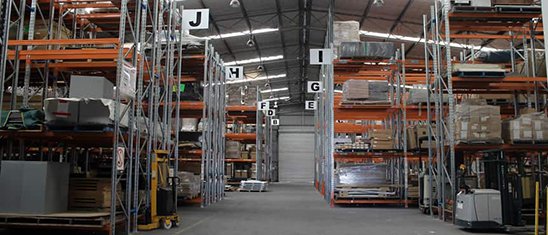
As businesses expand, managing inventory, storage, and product distribution becomes increasingly important. Companies handling larger orders need organised warehouse facilities to keep products accessible and maintain a steady flow of goods. Without proper storage planning, inventory problems and delivery delays can affect daily operations.
This is where dedicated warehouses canada can make a difference. These facilities provide businesses with storage space arranged around their specific requirements. From inventory management to order preparation, dedicated warehousing helps companies build organised logistics operations and prepare for future growth.
What Is Dedicated Warehousing?
A dedicated warehouse is a storage facility or designated space reserved for one business. Unlike shared warehousing, where multiple companies use the same facility, dedicated storage allows businesses to organise their inventory and warehouse activities according to their operational needs.
Companies can establish specific storage layouts, handling procedures, inventory systems, and order fulfilment processes. This approach is particularly useful for manufacturers, retailers, wholesalers, and distributors managing regular product movements.
How Dedicated Warehouses Support Business Growth
1. Better Inventory Management
Managing inventory becomes more challenging as product volumes increase. Businesses need to know what products are available, where they are stored, and when additional stock is required.
A dedicated warehouse allows companies to organise products into clearly defined storage areas. Regular stock checks and accurate inventory records can help reduce confusion, identify shortages, and prevent unnecessary overstocking.
Better inventory visibility also supports purchasing decisions and helps businesses respond to changing customer demand.
2. Improved Order Fulfilment
Customers expect their orders to be processed accurately and delivered within reasonable timeframes. An organised warehouse helps businesses manage receiving, picking, packing, labelling, and dispatch activities more effectively.
With designated storage and preparation areas, warehouse teams can follow consistent procedures when handling orders. This can reduce unnecessary product movement and improve coordination between storage and transportation operations.
3. Flexible Storage Solutions
Different businesses have different storage requirements. A food distributor may need refrigerated storage, while a retailer may require space for seasonal products and large inventory volumes.
Dedicated facilities allow businesses to plan storage arrangements around their product categories and handling requirements. Companies can also review their warehouse capacity as sales volumes and product ranges change.
4. Stronger Supply Chain Coordination
Warehousing is an important part of the supply chain because it connects suppliers, inventory, transportation, and customers.
When storage and transportation activities are properly coordinated, businesses can organise incoming shipments, manage stock availability, and prepare outgoing orders more efficiently.
Working with an experienced logistics provider can also help companies coordinate warehouse operations with freight transportation and distribution requirements.
5. Better Preparation for Business Expansion
Business growth often brings additional challenges, including higher inventory levels, more customer orders, and wider distribution requirements.
Having a suitable warehouse arrangement gives companies a structured way to manage these changes. Instead of handling storage problems as they arise, businesses can plan their inventory capacity and warehouse processes in advance.
This makes warehousing an important consideration for companies planning to enter new markets or expand their operations.
What Should Businesses Consider When Choosing a Warehouse?
Selecting the right warehouse requires more than comparing available storage space. Businesses should evaluate several factors before making a decision.
- Location: Consider access to major roads, suppliers, customers, and transportation networks.
- Storage capacity: Choose space that matches current inventory levels and expected demand.
- Product requirements: Review whether products need special handling, refrigerated storage, or specific storage conditions.
- Inventory management: Look for organised stock control and inventory reporting procedures.
- Transportation support: Consider whether warehousing services can be coordinated with freight and distribution operations.
Evaluating these factors can help businesses choose a facility that supports their daily requirements and long-term plans.
How AFS Trans Co. Supports Warehousing Requirements
AFS Trans Co. provides transportation and warehousing solutions for businesses across Canada and North America. Its services include dedicated warehousing, refrigerated warehousing, freight transportation, and logistics coordination.
By bringing storage and transportation services together, AFS Trans Co. helps businesses organise inventory and manage different stages of product movement.
Companies looking for suitable warehousing arrangements can explore solutions based on their storage, distribution, and transportation requirements.
Conclusion
Warehousing plays an important role in business growth. From organised inventory management and improved order fulfilment to flexible storage and better supply chain coordination, the right warehouse arrangement can support more efficient business operations.
Choosing a suitable facility requires careful consideration of location, storage capacity, product requirements, and transportation support. With proper planning and reliable logistics services, businesses can manage increasing demand and prepare for future expansion.
Frequently Asked Questions (FAQs)
1. What are dedicated warehouses?
Dedicated warehouses are facilities or designated storage spaces reserved for one business to manage its inventory, product handling, and distribution activities.
2. How can dedicated warehousing help small businesses?
It provides organised storage, better inventory control, and structured order fulfilment processes. These benefits can help small businesses manage increasing product volumes.
3. What industries benefit from dedicated warehousing?
Manufacturing, retail, wholesale, food and beverage distribution, and e-commerce businesses can benefit from dedicated warehouse arrangements.
4. What should businesses look for in a warehouse?
Important considerations include location, storage capacity, inventory management, product handling requirements, security, and transportation access.
5. Can warehousing services support business expansion?
Yes. Suitable warehousing services can help businesses manage additional inventory, prepare customer orders, coordinate distribution, and handle changing operational requirements.
 furniture.island
 not your.average cleaners
 kevin.mark