
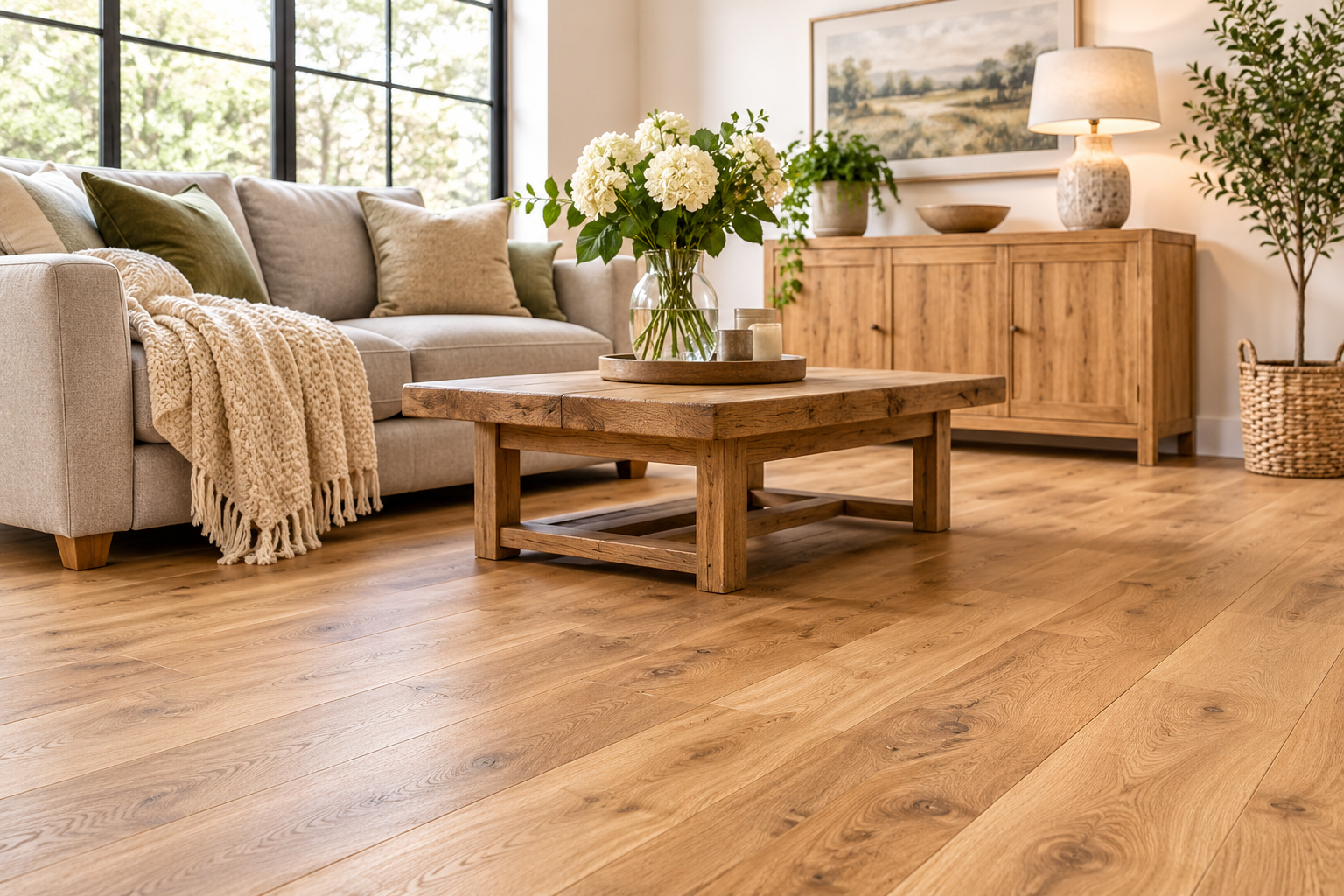
Natural wood flooring has stayed a really popular option for homeowners for reasons that feel obvious. Timeless appearance, strong durability, and the ability to blend into different interior styles almost effortlessly. And then, out of the available choices, oak flooring in the UK really stands out, not only because of its distinctive grain patterns but also for the natural warmth it gives off, plus how versatile it can be. Whether someone is renovating a traditional property or setting up a more contemporary home, oak ends up being a practical and also good-looking foundation for basically any room.
From the flexibility you get with unfinished timber to the long-lasting appeal of solid oak boards, picking the right flooring can actually change the overall look and feel of an interior, in a way that you notice day to day. When homeowners understand the different options, the real benefits, and the upkeep or maintenance requirements, they can make that confident investment without second-guessing themselves too much.
What Makes Unfinished Wood Flooring a Flexible Choice?
Unfinished wood flooring is supplied without a final protective layer, so it comes in a more blank state. Because of this, homeowners or flooring professionals can pick the finish after installation is done. That usually means a bit more control over how everything ends up looking, rather than being stuck with what’s already pre-coated.
One of the main strengths of unfinished wood flooring here is customisation, and it can feel almost too easy to tailor. Depending on the interior style you’re going for, the timber can be treated using oils, lacquers, stains, or other suitable finish choices.
For instance, a natural oil finish can bring out the grain in a warm way while still keeping that traditional vibe. A lacquered finish, on the other hand, can create a smoother feel, plus it brings a protective layer along with it, so it tends to suit many busy households.
Unfinished flooring can be a good fit when:
- You need a particular colour or shade to match what’s already in the space.
- You want the installed floor to look consistent, from one room to the next, without weird variation.
- A customised look matters more than getting the surface finished immediately.
- Designers want more say over the final texture and the surface treatment itself.
That said, unfinished timber isn’t exactly “ready and done”. It needs extra finishing work after installation. Sanding, sealing, and coating have to be carried out properly; otherwise, durability and appearance can suffer. If you want a more even result and suitable protection, it’s usually worth going with professional installation.
Why Is Solid Oak Flooring Popular in Modern Homes?
Solid oak flooring is made from individual pieces of natural oak timber. People like it because it’s strong, it looks good, and that grain- well, it has a very recognisable traditional character, even when the rest of the home is modern.
Also, unlike engineered flooring, which mixes a real wood top layer with a multi-layer base, solid oak flooring is made entirely from oak. So it’s not pretending in the way some alternatives do.
This construction gives a few advantages that are hard to ignore.
Natural Strength and Durability
Oak is a hardwood with a solid structure. If it’s installed correctly and then looked after with basic maintenance, solid oak flooring handles everyday household life really well.
Distinctive Grain Patterns
Oak naturally shows markings, subtle colour changes, and those clear grain details. It means every floor looks a little different, not like a copy-paste result.
Refinishing Potential
Depending on board thickness and overall condition, solid oak can often be sanded and refinished, which helps renew the surface over time. That makes it a long-term option for people who want a refresh without replacing the whole floor.
Versatile Design Options
You can find solid oak in different grades, widths, colours and surface styles. Some homeowners go for natural finishes for a classic effect; others pick darker stains when they want a more dramatic interior tone.
Even with all that durability, solid oak flooring can be sensitive to moisture and humidity. It should be installed in suitable conditions, with proper preparation and expansion allowance; otherwise, you can run into movement issues later.
How Can You Choose the Right Oak Flooring in the UK?
Choosing oak flooring for UK homes really needs you to think about the property type, the state of the rooms, day-to-day living habits, and what installation will actually involve.
In the UK, houses come in all sorts of styles, from Victorian terraces and classic period buildings to brand-new flats and open-plan layouts. Because of that, one flooring choice might work brilliantly in one place, yet feel a bit wrong in another, so the method should match the setting.
Here are a few points that are worth looking at.
First, look at the property style.
Older homes often suit natural oak hues, plus wider timber boards that sit nicely with decorative period details. Newer or contemporary spaces may feel more “together” with paler tones, sharper lines and less surface character.
Then, evaluate the room conditions.
Natural timber reacts to moisture and to changes in temperature, so it matters a lot. Solid oak is usually a safer option where indoor conditions stay fairly steady. In bathrooms, or anywhere that gets frequent water drips and spills, most people choose a different kind of flooring because it simply handles the reality better.
Next, choose the finish that fits your life.
Oiled, lacquered, brushed, and stained finishes each bring their own visual look and also different upkeep needs. Also think about how busy the room is, because heavy foot traffic changes what “easy” maintenance really means.
Think about installation, not just the boards.
Subfloor preparation, moisture checking, and allowing the timber to acclimatise properly are key to getting a smooth result. Solid oak flooring needs expansion gaps too, because the wood moves naturally and it needs space to do that.
If you compare these details before buying, it can reduce the chances of installation headaches and help the final floor match what your household actually needs.
What Is the Difference Between Unfinished and Pre-Finished Oak Flooring?
Unfinished oak flooring and pre-finished oak flooring both give you that real, natural timber look, but the way they’re dealt with is different. One is more, I dunno, hands-on. The other is more ready straight away.
| Feature | Unfinished oak flooring | Prefinished oak flooring |
| Surface treatment | Finished after installation | Finished before installation |
| Customisation | More flexible in practice | Only certain finishes are available. |
| Installation | Needs extra finishing work | Usually quicker to install |
| Appearance | You can tune it to your needs | Factory finish is consistent; every board is more or less the same |
| Preparation | Sanding and coating are typically required | Usually ready for installation |
Consequently, unfinished flooring tends to fit best when you want a tailored surface treatment; maybe you like choosing the finish yourself. Prefinished flooring is often the easier option for homeowners who want a faster installation timeline.
Conclusion
Natural oak flooring has this appealing mix of durability, versatility, and a timeless look. For homeowners who want a customised appearance, unfinished wood flooring gives a flexible option, and solid oak flooring brings the familiar character and sturdy strength you expect from natural hardwood. In other words, it feels more classic.
If you’re considering oak flooring in UK homes, the best pick depends a bit on the room conditions, your interior preferences, how much maintenance you’re ready to handle, and what installation actually requires.
Also, once you select the right timber and choose an appropriate finish, you stick to good maintenance practices. Homeowners can end up with interiors that look great and stay practical and stylish for years.
 kellan.levy
 swimmingpool