
Introduction
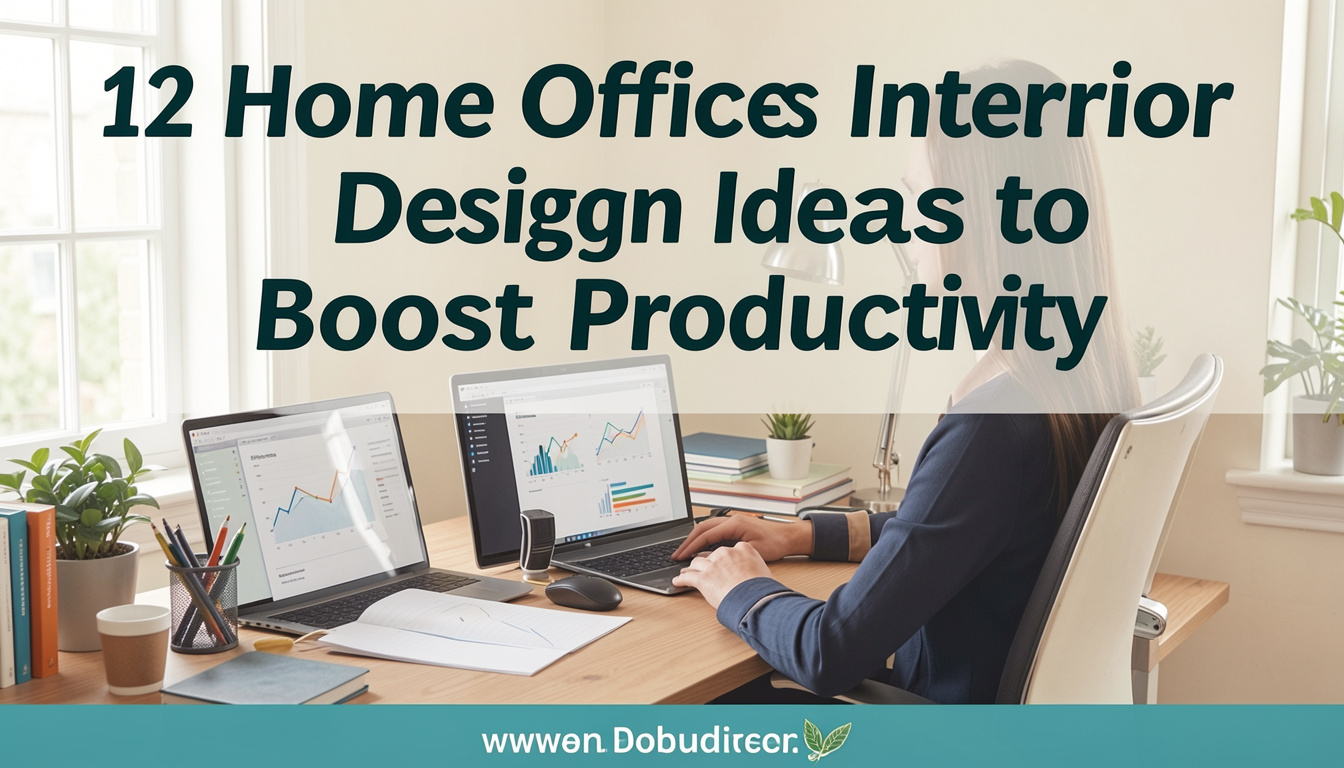
Remote and hybrid work are firmly embedded in modern life, and the design of your workspace has a direct impact on how productive and motivated you feel each day. Poor lighting, uncomfortable seating, or a cluttered desk can quietly drain your energy, while a thoughtfully designed office can sharpen focus and even improve your mood. This guide shares twelve practical home office interior design ideas to boost productivity, covering layout, furniture, color, lighting, and organization. Whether you have an entire spare room to dedicate to work or just a small corner of your bedroom, these ideas will help you build a home office that supports deep focus and long-term comfort.
1. Natural Light Optimization
Natural light is one of the most powerful tools for productivity, as it regulates your circadian rhythm and reduces eye strain compared to artificial lighting alone. Position your desk perpendicular to a window rather than directly facing it or with your back to it, which minimizes glare on your screen while still capturing daylight. Sheer curtains can soften harsh midday sun without blocking the room entirely. If your workspace lacks windows, consider a daylight-mimicking lamp that replicates natural light temperature, helping to keep your energy levels stable throughout long work sessions.
2. Ergonomic Furniture Setup
An ergonomic setup is essential among home office interior design ideas because physical discomfort is one of the biggest silent productivity killers. Invest in a chair with adjustable lumbar support, armrests, and seat height, along with a desk positioned so your elbows rest at roughly a ninety-degree angle when typing. Monitor height matters too; the top of your screen should sit at or slightly below eye level to prevent neck strain. Small additions like a footrest or a wrist-friendly keyboard tray can make hours of work feel significantly more comfortable and sustainable.

3. Biophilic Design Elements
Bringing nature indoors through biophilic design has been shown to reduce stress and improve concentration. Adding a few low-maintenance plants like pothos, snake plants, or ZZ plants introduces greenery without demanding constant care. Natural materials such as wood desks, rattan storage baskets, and stone accessories also contribute to this calming effect. Even a small living wall or a single statement plant near your workstation can make the environment feel more alive, helping to offset the fatigue that comes from staring at a screen for extended periods.
4. Dedicated Zoning Within Open Spaces
Not everyone has a spare room for a home office, but that does not mean productivity has to suffer. Creating a dedicated zone within a larger room, using a bookshelf, curtain, or area rug to visually separate the workspace, helps train your brain to associate that specific area with focus. This zoning technique is especially useful in studio apartments or shared living spaces, where a clear boundary between work and relaxation areas can prevent the two from blending together and eroding your ability to switch off at the end of the day.

5. Smart Storage Solutions
Clutter competes for your attention, so smart storage is a foundational element of any productive home office interior design. Wall-mounted shelving keeps frequently used items within reach without taking up desk space, while closed cabinets hide paperwork and cables that would otherwise create visual noise. Cable management trays and under-desk boxes prevent tangled cords from becoming a daily distraction. A well-organized filing system, whether digital or physical, ensures you spend less time searching for documents and more time on meaningful work.
- For Quebec City professionals working from home who need to clear out bulky items, seasonal equipment, or archived materials that clutter the workspace, storage units Quebec City offer a convenient offsite option that keeps the office itself lean and distraction-free.
6. Calming Color Palettes
Color psychology plays a real role in workspace productivity. Soft blues and greens are associated with calm and focus, making them popular choices for home office walls, while muted earth tones create a grounded, comfortable atmosphere. Bright white can feel sterile in large doses, so pairing it with warmer wood tones or a single accent wall often creates a more balanced result. Avoid overly stimulating colors like intense red in work areas, as they can increase feelings of urgency and stress rather than supporting sustained concentration.
7. Acoustic Comfort
Noise is one of the most overlooked factors in home office design. Hard surfaces like glass and tile can cause sound to bounce and amplify distractions, especially during video calls. Adding a rug, upholstered chair, or fabric wall panels absorbs sound and creates a quieter, more focused environment. For those in particularly noisy homes, acoustic ceiling tiles or a room divider with sound-dampening material can make a noticeable difference. Reducing background noise not only improves your own concentration but also makes video meetings sound more professional.
8. Tech-Integrated Workstations
A tech-integrated workstation streamlines your daily routine and reduces the friction that comes from managing multiple devices. Built-in charging stations, cable grommets in the desk surface, and a docking station for laptops keep your setup tidy and efficient. Wireless charging pads and Bluetooth peripherals further reduce cable clutter. When planning your layout, think about where power outlets are located and consider a desk with integrated power management so your technology supports your workflow instead of interrupting it with constant unplugging and searching for cords.

9. Personalized Wall Décor
A home office should feel motivating, and personalized wall décor is an easy way to achieve that. A curated gallery wall, a large piece of artwork that reflects your personality, or a cork board for goals and inspiration can make the space feel uniquely yours rather than generic. Avoid overcrowding the walls directly behind your video call background if you take frequent meetings, keeping that zone simple and professional while allowing more personal touches elsewhere in the room.
10. Multi-Purpose Furniture
For smaller homes, multi-purpose furniture is one of the most practical home office interior design ideas available. A desk that folds flat against the wall when not in use, a storage ottoman that doubles as extra seating, or a bookshelf with an integrated fold-out desk allows the room to serve more than one function without feeling cramped. This flexibility is particularly valuable in guest rooms or shared spaces where the office needs to disappear when not in use.
11. Standing Desk Setup
Sitting for eight hours a day has well-documented health downsides, which is why standing desks have become a staple of modern home office design. Electric height-adjustable desks allow you to alternate between sitting and standing throughout the day, improving circulation and reducing fatigue. Pairing a standing desk with an anti-fatigue mat makes longer standing sessions more comfortable. Even alternating for just a few hours a day can noticeably improve energy levels and focus during long work stretches.
12. Minimalist Clutter-Free Design
Finally, a minimalist, clutter-free design philosophy ties every other element together. Keeping only essential items on your desk, choosing furniture with clean lines, and resisting the urge to overdecorate creates a visually calm environment that supports mental clarity. A clutter-free office is not about being sparse or cold; it is about intentionality, ensuring that everything in your line of sight serves a purpose or brings genuine value to your workday.
Frequently Asked Questions About Home Office Interior Design
Planning a productive home office? These expert answers cover the most searched questions on Google and include trusted resources to help you create a comfortable, functional, and inspiring workspace.
1. How can I design a productive home office?
A productive home office starts with ergonomic furniture, proper lighting, a clutter-free layout, and sufficient storage. Choose a quiet location, add natural light whenever possible, and include personal touches that improve focus without creating distractions. For additional inspiration, browse Houzz Home Office Ideas .
2. What is the best color for a home office?
Soft blue, sage green, warm white, beige, and light gray are among the most popular colors because they create a calm and productive atmosphere. Learn more about color inspiration from Better Homes & Gardens .
3. What furniture should every home office have?
Every home office should include an ergonomic chair, a functional desk, proper storage cabinets, adjustable lighting, and cable management solutions. Explore workspace furniture ideas on Architectural Digest .
4. How do I make a small home office look bigger?
Use light wall colors, floating shelves, multifunctional furniture, mirrors, and vertical storage. Keeping the workspace organized also helps create the feeling of a larger room. Find more small-space solutions at The Spruce .
5. What type of lighting is best for a home office?
Natural daylight is ideal, but layered lighting with LED desk lamps, ceiling lights, and task lighting provides the best working environment while reducing eye strain. Learn about energy-efficient lighting from ENERGY STAR .
6. How can I reduce distractions while working from home?
Create a dedicated workspace, use noise-reducing materials, organize cables, limit visual clutter, and establish a consistent work routine. Acoustic panels, bookshelves, and indoor plants can also improve concentration.
7. Is an ergonomic office chair worth buying?
Yes. An ergonomic chair supports healthy posture, reduces back and neck pain, improves comfort during long work sessions, and helps increase productivity. Read ergonomic recommendations from the OSHA Computer Workstations Guide .
8. What are the latest home office design trends in 2026?
Popular trends include biophilic design, smart lighting, adjustable standing desks, hidden storage, acoustic wall panels, minimalist décor, and sustainable furniture. Explore the latest trends on Dezeen Interiors .
Conclusion
Designing a home office that genuinely boosts productivity is less about following every trend and more about understanding how your environment affects your focus, comfort, and mood. From optimizing natural light and choosing ergonomic furniture to embracing biophilic elements and smart storage, these twelve home office interior design ideas give you a flexible framework to build a workspace suited to your needs. Start with the changes that address your biggest pain points, whether that is noise, clutter, or an uncomfortable chair, and build outward from there. Over time, a well-designed home office becomes more than a place to work; it becomes a space that actively supports your best work.