
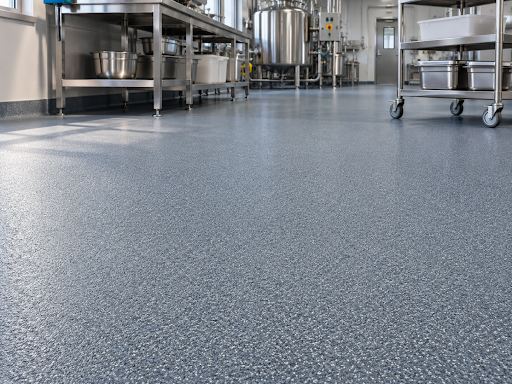
Flooring needs can vary significantly from one property to another. A residential garage may need protection from vehicle traffic and oil, while a commercial space may require a surface that can handle heavy foot traffic, frequent cleaning, and moisture. Industrial environments often have even more demanding requirements. Quartz epoxy flooring is one option that combines a resin-based coating with quartz aggregate to create a durable and textured surface. The quartz particles can add visual variation while also contributing to traction and surface strength. Because of these characteristics, quartz epoxy can be considered for a range of residential, commercial, and industrial applications. For property owners in Woodland Park, NJ, understanding how this flooring system works can make it easier to determine whether it is appropriate for a particular space. The decision should be based on factors such as traffic, moisture, cleaning requirements, safety, concrete condition, and the intended use of the floor.
What Is Quartz Epoxy Flooring?
Quartz epoxy flooring is a multi-layer flooring system that combines epoxy resin with colored or natural quartz aggregate. The aggregate is broadcast into the resin layer and then sealed with additional coating layers to create a continuous surface. Unlike a plain epoxy coating, quartz epoxy flooring systems have a textured appearance created by the embedded aggregate. Depending on the color and size of the quartz, the finished floor can have a stone-like or decorative appearance. The texture can also contribute to traction, which can be useful in environments where water or other liquids may be present. However, the final performance of a quartz epoxy floor depends on more than the aggregate itself. Concrete preparation, resin selection, coating thickness, aggregate distribution, topcoat, and installation quality all influence the finished system.
Why Is Quartz Used in Epoxy Flooring?
Quartz is a hard mineral aggregate that can add both texture and visual character to resin-based flooring. When incorporated into an epoxy system, quartz can help create a more robust surface than a simple smooth coating. The aggregate also allows different colors and blends to be used, giving property owners more design flexibility. Another important characteristic is texture. A quartz-filled surface can provide additional traction compared with a completely smooth finish, although the actual slip resistance depends on the complete system and surface profile. This combination of durability, texture, and customization makes quartz epoxy useful in spaces where appearance and practical performance need to work together.
Where Can Quartz Epoxy Flooring Be Used?
Quartz epoxy is versatile, but the appropriate system depends on the conditions of the space.
Residential Garages
Garages can experience vehicle traffic, moisture, dirt, oil, road salt, and dropped tools. A durable coating can help protect the underlying concrete while making the floor easier to clean. Quartz finishes can also provide a more textured appearance that works well with garage interiors.
Basements
Basements can be used for storage, recreation, exercise, workshops, or additional living space. When the concrete is properly prepared and moisture conditions are suitable, quartz epoxy can provide a durable and decorative surface. Moisture should always be evaluated before installation because coating over an unsuitable substrate can create long-term problems.
Commercial Spaces
Retail stores, offices, showrooms, and other commercial properties may need flooring that can handle regular foot traffic while maintaining a professional appearance. Quartz epoxy can provide a continuous surface with decorative color options and added texture.
Industrial Facilities
Industrial environments may place greater demands on flooring. Heavy equipment, carts, vehicles, chemicals, and frequent cleaning can all affect the surface. In these situations, the flooring system should be selected according to the specific operating conditions rather than simply choosing quartz because it is durable.
How Quartz Epoxy Can Improve Floor Safety
Safety is an important consideration in any flooring project. Smooth surfaces can become slippery when exposed to water, oil, cleaning products, or other liquids. The textured nature of quartz flooring can contribute to better traction. This characteristic can make quartz systems useful for areas where moisture or spills are expected. However, more texture is not automatically better. Extremely rough surfaces can be harder to clean and may not be appropriate for every environment. The ideal surface profile should balance traction, cleaning, foot comfort, and the activities taking place in the space.
Quartz Epoxy and Moisture Exposure
Moisture can affect both concrete and flooring systems. Garages may receive water from vehicles, while commercial facilities may undergo frequent washdowns. A properly installed resinous floor can provide a more sealed surface than untreated concrete. However, the coating does not eliminate underlying moisture problems. Before installation, the concrete should be assessed for moisture conditions, drainage, cracks, and other substrate concerns. This is especially important for basements and other areas where moisture may migrate through the slab.
Resistance to Stains and Everyday Contaminants
Concrete is naturally porous, which means spills can penetrate the surface. Oil, grease, dirt, and other contaminants can become difficult to remove once they enter untreated concrete. A properly sealed quartz epoxy system provides a less porous surface that can make routine cleaning easier. This can be useful in garages, workshops, service areas, and commercial spaces where spills are more likely to occur. The level of chemical and stain resistance depends on the complete coating system. Facilities exposed to aggressive chemicals should select materials specifically designed for those substances.
Quartz Epoxy for High-Traffic Areas
High-traffic flooring experiences repeated abrasion from people, carts, vehicles, and equipment. Over time, unsuitable flooring can develop visible wear and require frequent repairs. Quartz epoxy can be considered for high-use spaces because the aggregate and resin work together to create a durable surface. However, traffic level alone should not determine the flooring choice. Property owners should also consider the weight of equipment, frequency of impact, chemical exposure, temperature conditions, and maintenance procedures. A system designed for light residential traffic may not be appropriate for a heavy industrial environment.
Design Options With Quartz Epoxy
Performance is important, but flooring can also contribute to the overall design of a property. Quartz aggregates are available in different colors and combinations. This allows property owners to create subtle or contrasting patterns depending on the surrounding space. For example, a garage may use a darker blend to complement storage cabinets and vehicles. A commercial facility may select a neutral combination that creates a clean and professional appearance. Because the aggregate is incorporated into the flooring system, the finished surface can provide more visual variation than a basic solid-color coating.
Comparing Quartz Epoxy With Smooth Epoxy
Both quartz and smooth epoxy systems use resin-based coatings, but their surface characteristics are different. Smooth epoxy generally provides a uniform surface with a clean appearance. It may be suitable for environments where easy cleaning and a seamless finish are priorities. Quartz epoxy introduces aggregate into the system, creating texture and additional visual variation. This can be useful where traction and surface character are important. Neither option is automatically better for every application. The correct choice depends on the conditions of the space and the desired performance characteristics.
Quartz Epoxy vs. Flake Epoxy
Quartz and flake epoxy are sometimes compared because both can provide decorative finishes. Flake systems use colored polymer flakes that are broadcast across the resin layer. They are often selected for garages and other spaces where decorative variation and everyday durability are important. Quartz systems use mineral aggregate and generally create a more textured surface. They may be considered when traction and heavy-duty performance are higher priorities. The choice should therefore be based on how the space will be used rather than selecting a system purely for appearance.
Residential Flooring Considerations
Homeowners often want a floor that looks attractive while remaining easy to maintain. Garages, basements, workshops, patios, and utility spaces can all have different flooring needs. When comparing residential epoxy flooring options, homeowners should consider the existing concrete, expected traffic, moisture conditions, desired texture, color preferences, and maintenance requirements. Quartz epoxy can be useful when homeowners want a more substantial textured finish while still maintaining decorative flexibility. The final selection should be based on the specific room and how it will be used.
Commercial and Industrial Considerations
Commercial and industrial flooring generally needs to withstand more demanding conditions than typical residential floors.
Businesses should consider:
- Foot and vehicle traffic
- Heavy equipment
- Chemical exposure
- Cleaning procedures
- Temperature changes
- Moisture
- Slip resistance
- Expected service life
Quartz epoxy may be appropriate for some commercial environments, but specialized systems may be better suited to facilities with extreme chemical or operational requirements. The flooring should always be matched to the actual environment.
The Importance of Concrete Preparation
A high-quality coating cannot compensate for an unsuitable substrate. Before quartz epoxy is installed, the concrete should be evaluated for cracks, damage, contamination, moisture, and previous coatings. Preparation may involve mechanical grinding, cleaning, repairs, or other treatments. Grease and oil contamination can be particularly problematic in garages and service areas because they may interfere with adhesion. Proper preparation helps create a surface where the flooring system can bond effectively and perform as intended.
How Maintenance Affects Longevity
Quartz epoxy flooring still requires regular maintenance even though it is designed for durability. Routine sweeping can remove dirt and abrasive particles that may contribute to surface wear. Spills should be cleaned promptly, particularly when they involve chemicals or automotive fluids. Cleaning products should be compatible with the flooring system. Aggressive chemicals or unsuitable equipment can affect the finish over time. Regular inspections can also help identify areas of damage before they become larger maintenance issues.
Choosing the Right Quartz Epoxy System
Not every quartz epoxy system is identical. The resin, aggregate, coating thickness, primer, topcoat, and surface texture can all influence performance.
Property owners should consider the following before installation:
Intended Use
Determine whether the floor will be used for residential, commercial, or industrial purposes.
Traffic Level
Consider people, vehicles, carts, equipment, and the frequency of movement.
Chemical Exposure
Identify oils, cleaners, solvents, acids, or other substances that may contact the surface.
Moisture Conditions
Evaluate whether water, humidity, washdowns, or moisture migration could affect the floor.
Safety Requirements
Determine whether additional traction or a specific surface texture is needed.
Design Preferences
Select colors and aggregate combinations that complement the surrounding environment.
Why Professional Installation Matters
Quartz epoxy requires careful installation to achieve consistent results. The concrete must be prepared correctly, and the aggregate needs to be distributed evenly across the resin layer. Application thickness, curing conditions, topcoat selection, and finishing techniques can all affect the final surface. Professional installation can also help identify substrate problems before they become hidden beneath the new flooring. This is particularly important for older concrete floors that may have cracks, contamination, or moisture concerns.
Quartz Epoxy Flooring in Woodland Park, NJ
Property owners in Woodland Park, NJ have different flooring needs depending on the type of property and how each space is used. A residential garage may prioritize durability and appearance, while a commercial facility may focus more heavily on traffic, maintenance, and safety. Industrial spaces can require additional protection against chemicals, impact, and heavy equipment. Quartz epoxy can provide a combination of texture, durability, and decorative flexibility for many of these environments. However, the right system should always be selected after evaluating the actual conditions of the space.
Making an Informed Flooring Decision
Choosing quartz epoxy flooring should begin with the needs of the property rather than the appearance of the finished sample. Consider how much traffic the floor will receive, whether it will encounter moisture or chemicals, how often it will be cleaned, and what level of traction is needed. The condition of the concrete should also be evaluated before installation. Proper preparation and material selection can have a major effect on long-term performance. When these factors are considered together, quartz epoxy can provide a practical flooring solution that combines a decorative appearance with useful performance characteristics.
FAQs
Is quartz epoxy flooring durable?
Quartz epoxy can provide a durable surface when the complete flooring system is properly specified and installed. Performance depends on the concrete condition, materials, traffic, exposure, and maintenance.
Is quartz epoxy suitable for garages?
Yes. Quartz epoxy can be suitable for garages where homeowners want a textured, durable surface that can handle vehicle traffic, moisture, dirt, and everyday use.
Is quartz epoxy slippery?
Quartz aggregate can add texture and improve traction compared with a completely smooth coating. The actual slip resistance depends on the aggregate, surface profile, and complete flooring system.
Can quartz epoxy be customized?
Yes. Quartz aggregates are available in different colors and blends, allowing property owners to select an appearance that suits the space while meeting its functional requirements.
 jwhned.wdkweo
 bill.henry
 dgc.submission