
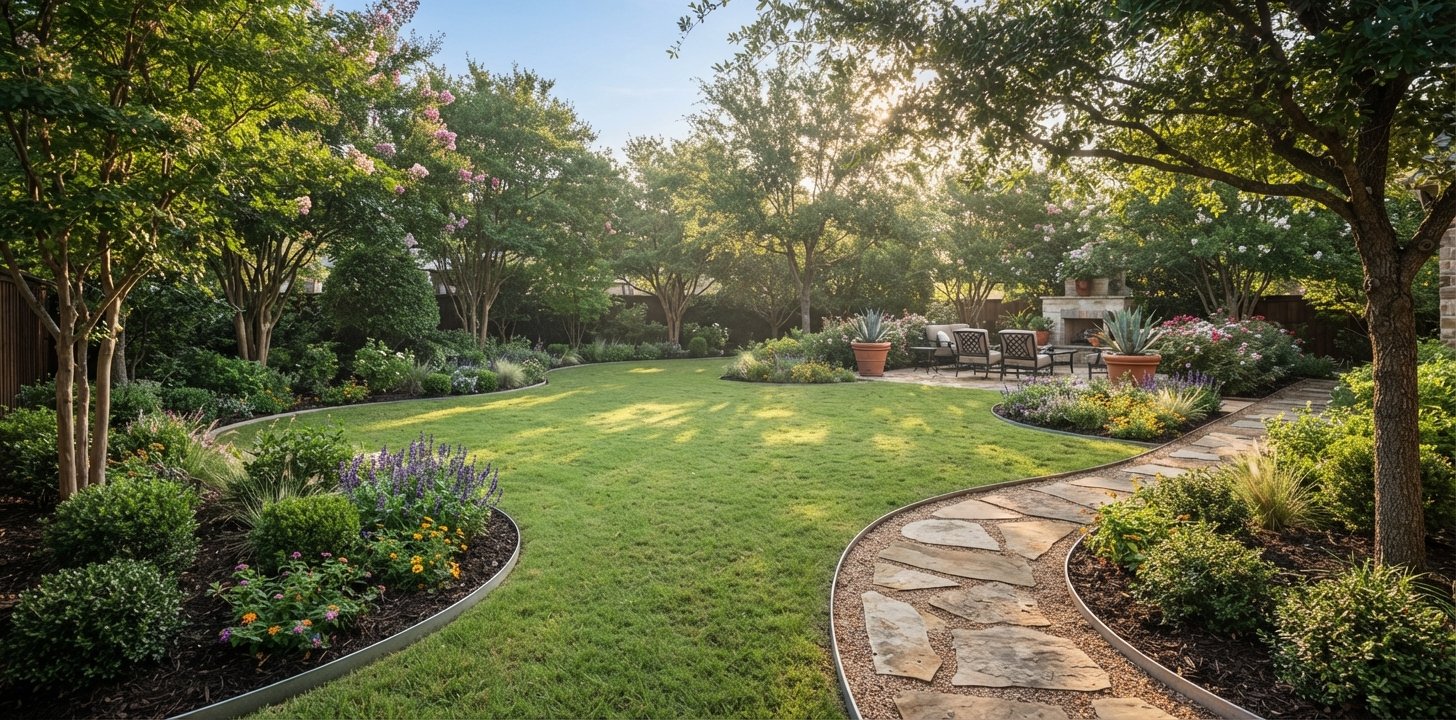
A beautiful landscape does not stay healthy through occasional mowing or seasonal planting alone. Maintaining an attractive outdoor space requires consistent attention to grass, trees, shrubs, soil, drainage, and irrigation. Without regular care, small problems such as weed growth, compacted soil, overgrown plants, and poor drainage can gradually affect the entire yard.
For homeowners in Southlake, Texas, outdoor maintenance is especially important because changing seasonal conditions and hot summer temperatures can influence plant growth and soil moisture. A landscape that receives appropriate care throughout the year is generally better prepared to handle these conditions while maintaining its appearance.
A consistent landscaping Southlake maintenance approach helps homeowners protect existing plants, improve lawn conditions, and prevent avoidable landscape problems. Understanding the importance of regular yard maintenance can make it easier to create an outdoor environment that remains attractive and functional over time.
1. Why Does Regular Yard Maintenance Matter?
Every part of a landscape has different maintenance requirements. Grass needs appropriate mowing and watering, shrubs require occasional pruning, and planting beds need attention to weeds and soil conditions. When these tasks are neglected, the outdoor environment can gradually become difficult to manage.
Regular yard maintenance helps identify problems before they become more serious. For example, removing weeds early can prevent them from spreading, while inspecting plants can reveal signs of disease, pest activity, or environmental stress.
Benefits of Consistent Yard Care
A regular maintenance routine offers several practical advantages:
- Healthier plants: Appropriate watering, pruning, and soil care support better plant development.
- Improved appearance: Clean lawn edges, organized planting beds, and trimmed shrubs create a more attractive property.
- Early problem detection: Routine inspections help identify drainage concerns, damaged plants, and developing lawn problems.
- Better outdoor usability: Removing debris and maintaining walkways makes outdoor spaces more comfortable to use.
These benefits show why yard maintenance should be treated as an ongoing responsibility rather than an occasional cleanup activity.
2. Protects Lawn Health and Encourages Consistent Growth
The lawn is often one of the largest visible parts of a residential landscape. Its condition can influence the overall appearance of the property. Uneven grass, bare patches, excessive weeds, and inconsistent growth can make an otherwise attractive yard look neglected.
Regular lawn maintenance helps maintain suitable growing conditions. Mowing at the correct height, watering appropriately, and monitoring soil conditions all contribute to healthier turf.
What Lawn Care Practices Help Maintain Healthy Grass?
Homeowners should consider several important practices:
Proper mowing: Grass should be maintained at a suitable height for its variety. Cutting too much at once can stress turf and make it more vulnerable to environmental conditions.
Consistent watering: Watering requirements depend on grass type, soil, rainfall, and temperature. Deep watering when needed is generally more beneficial than frequent, shallow watering.
Weed management: Weeds compete with grass for available space, water, and nutrients. Early identification and appropriate control help prevent widespread growth.
Seasonal lawn care: Grass has different needs throughout the year. Maintenance activities should change according to its growth cycle and local weather.
For homeowners investing in landscaping Southlake improvements, maintaining the lawn is an important part of protecting the overall outdoor design.
3. Keeps Trees and Shrubs in Better Condition
Trees and shrubs provide structure, shade, privacy, and visual interest. They also help create depth in residential landscape designs. However, these plants require appropriate care to maintain their health and appearance.
Without regular attention, shrubs can become overgrown, branches may become damaged, and plants can develop problems that affect nearby landscape features.
How Does Pruning Support Plant Health?
Pruning removes selected branches and unwanted growth to help maintain plant structure. It can also improve airflow through dense shrubs and remove damaged or diseased plant material when appropriate.
However, pruning should be based on the type of plant and its growth cycle. Cutting trees or shrubs at the wrong time can interfere with flowering or damage healthy growth.
Homeowners should also monitor the condition of their trees. Changes such as unusual leaf discoloration, dead branches, or visible pest activity may indicate that a plant needs further evaluation.
Why Is Plant Selection Important?
Choosing plants suited to the local environment can reduce maintenance challenges. Southlake properties may experience hot summers and changing moisture conditions, so homeowners should consider sunlight exposure, soil drainage, and water requirements before adding new plants.
Native and well-adapted varieties can be useful choices when they suit the property’s conditions. Selecting plants according to their mature size also helps prevent overcrowding as the landscape develops.
4. Improves Soil Quality and Drainage Conditions
Healthy soil provides the foundation for a successful landscape. Plant roots depend on soil for water, oxygen, and essential nutrients. If the soil becomes compacted, poorly drained, or nutritionally unbalanced, grass and plants may struggle even when they receive regular attention.
Soil conditions can vary across a single property. Areas beneath trees may have different moisture levels from open lawn sections, while frequently used pathways may develop compacted soil.
What Are the Signs of Poor Soil Conditions?
Some common warning signs include:
- Water collecting in certain areas after rainfall or irrigation.
- Grass struggling to grow despite regular care.
- Soil becoming hard and difficult to work with.
- Plant leaves showing unusual discoloration.
- Bare or thinning areas appearing repeatedly.
These symptoms can have several causes, so homeowners should avoid assuming that every problem requires fertilizer or additional watering.
How Can Soil Care Improve Landscape Health?
Soil testing can help identify nutrient levels and pH conditions. The results provide useful information when selecting soil amendments or fertilizers.
Aeration may also help when lawn soil becomes compacted. By creating openings in the soil, aeration can improve the movement of air and water into the root zone.
Drainage management is equally important. Proper grading and suitable drainage solutions can help move excess water away from areas where it may cause damage. Addressing these conditions supports a more stable growing environment for plants and grass.
5. Why Is Seasonal Yard Maintenance Important in Southlake?
Landscapes experience different growing conditions throughout the year. Temperature changes, rainfall, sunlight, and plant growth cycles all influence maintenance requirements.
Southlake homeowners should adjust their yard care routines according to the season rather than following exactly the same schedule throughout the year.
Spring Maintenance
Spring is a useful time to inspect the property after winter. Homeowners can remove accumulated debris, check planting beds, inspect irrigation systems, and evaluate lawn conditions.
Other useful activities include:
- Removing dead leaves and damaged plant material.
- Refreshing mulch where needed.
- Checking shrubs and trees for winter damage.
- Identifying weeds before they spread.
- Evaluating areas that need lawn repair.
These tasks help prepare the landscape for warmer growing conditions.
Summer Maintenance
Summer temperatures in North Texas can place additional demands on lawns and plants. Water management becomes particularly important during hot and dry periods.
Homeowners should monitor soil moisture, inspect irrigation coverage, and avoid unnecessary watering. Newly planted trees and shrubs may have different watering requirements from established plants.
Mowing practices should also be adjusted to avoid removing too much grass during stressful weather conditions.
Fall Maintenance
Fall provides an opportunity to prepare the landscape for cooler temperatures. Removing accumulated leaves, inspecting trees, and cleaning planting beds can help maintain an organized outdoor environment.
It is also a suitable time to evaluate the condition of the lawn and identify areas that may require attention before the next growing season.
Winter Maintenance
Although many plants grow more slowly during winter, outdoor maintenance remains important. Homeowners can inspect hardscape features, remove fallen branches, monitor drainage, and protect sensitive plants when necessary.
The following table summarizes common seasonal maintenance priorities.
| Season | Main Maintenance Priorities | Long-Term Benefit |
|---|---|---|
| Spring | Cleanup, weed inspection, irrigation checks | Prepares the yard for active growth |
| Summer | Water management, mowing, plant monitoring | Helps reduce heat-related stress |
| Fall | Leaf removal, pruning evaluation, bed cleanup | Keeps outdoor areas organized |
| Winter | Debris removal, drainage inspection, plant protection | Helps prepare the landscape for spring |
6. Helps Control Weeds and Reduce Landscape Problems
Weeds can affect both lawn appearance and plant development. They compete with desirable plants for sunlight, water, nutrients, and growing space. If they are allowed to spread, controlling them may become more difficult.
Regular inspections help homeowners identify unwanted growth early. Different weeds require different control methods, so identifying the type of weed before choosing a treatment is important.
What Can Homeowners Do to Prevent Weed Growth?
Several maintenance practices can help reduce opportunities for weeds to establish themselves:
Maintain healthy turf: Dense, properly maintained grass can reduce open spaces where some weeds may develop.
Keep garden beds maintained: Removing weeds before they produce seeds can help limit future growth.
Use mulch appropriately: A suitable layer of mulch can help reduce weed growth in planting beds while supporting soil moisture retention.
Avoid overwatering: Excessive moisture can encourage certain weeds and create conditions that are unfavorable for some landscape plants.
Weed prevention should be part of a broader maintenance plan. Simply removing visible weeds without addressing the conditions that support their growth may lead to recurring problems.
7. Maintains the Appearance of Hardscape Features
A healthy landscape includes more than grass and plants. Walkways, patios, retaining walls, stone borders, and other hardscape features contribute to the overall design.
These features can lose their appearance when weeds grow between joints, dirt accumulates on surfaces, or drainage problems affect surrounding areas.
Regular cleaning and inspection help maintain the condition of these outdoor elements.
Which Hardscape Maintenance Tasks Matter?
Homeowners should pay attention to:
- Removing weeds and unwanted vegetation from cracks and joints.
- Cleaning dirt and organic debris from walkways and patios.
- Checking retaining walls for visible movement or damage.
- Inspecting outdoor steps and pathways for uneven surfaces.
- Keeping drainage outlets clear of leaves and debris.
These tasks can help preserve both the appearance and usability of outdoor spaces.
A well-maintained combination of softscape and hardscape features makes the entire property feel more organized. This is an important consideration when planning landscaping Southlake projects that need to remain attractive over time.
8. Can Professional Landscaping Make Yard Maintenance Easier?
Maintaining a residential landscape can involve several tasks, especially when a property includes large lawn areas, mature trees, planting beds, and outdoor living features.
Professional landscaping services can help homeowners organize these responsibilities. A service provider can evaluate the property, identify maintenance priorities, and recommend suitable care based on the existing landscape.
What Services May Be Included?
Depending on the property’s needs, professional yard care may include:
Lawn maintenance: Regular mowing, edging, and general turf care help keep grass areas neat.
Tree and shrub care: Appropriate pruning and plant inspections help maintain structure and identify potential concerns.
Mulch installation: Refreshing mulch can improve the appearance of garden beds and help conserve soil moisture.
Weed control: Identifying and managing unwanted plants helps protect lawn and garden areas.
Seasonal cleanup: Removing leaves, branches, and accumulated debris helps maintain an organized property.
Irrigation inspection: Checking sprinkler coverage and system performance can help identify watering problems.
The right service plan depends on the size of the property, the types of plants present, and the homeowner’s maintenance goals.
9. Builds a More Sustainable Landscape for the Future
Long-term landscape health depends on making practical decisions that support the outdoor environment over time. A maintenance routine should protect existing plants, use resources responsibly, and avoid unnecessary treatments.
Homeowners can improve sustainability by selecting suitable plants, monitoring irrigation, maintaining soil conditions, and using landscape materials appropriately.
For example, grouping plants with similar water requirements can make irrigation easier to manage. Using mulch in suitable planting beds can help conserve moisture, while maintaining healthy soil supports better root development.
A consistent landscaping Southlake maintenance plan should also allow plants enough space to mature. This reduces the need for frequent replacements and helps preserve the original landscape design.
Professional guidance can be useful when a property has complicated drainage conditions, mature trees, or recurring lawn problems. Addressing these issues early can help prevent unnecessary maintenance work later.
Conclusion
Proper yard maintenance plays an important role in preserving the health, appearance, and functionality of a residential landscape. Regular lawn care, tree and shrub maintenance, soil management, weed control, and seasonal cleanup all contribute to better outdoor conditions.
For homeowners in Southlake, Texas, adjusting maintenance practices to local weather and plant requirements can make a meaningful difference. A consistent approach helps identify problems early, protect existing landscape features, and keep outdoor spaces organized throughout the year.
With a practical landscaping Southlake maintenance routine, homeowners can protect their outdoor investment and support a healthier landscape for the long term.
Frequently Asked Questions
1. Why is regular yard maintenance important?
Regular yard maintenance helps protect grass, trees, shrubs, and garden beds. It also allows homeowners to identify weeds, drainage problems, and plant health concerns before they become more difficult to manage.
2. How often should a residential yard be maintained?
Maintenance frequency depends on lawn type, plant varieties, property size, and seasonal conditions. Tasks such as mowing may be needed regularly during active growth, while pruning and seasonal cleanup follow different schedules.
3. What yard maintenance is important during summer in Southlake?
Summer maintenance should focus on appropriate watering, suitable mowing practices, weed monitoring, and checking plants for heat or moisture stress. Watering requirements should be adjusted according to rainfall and soil conditions.
4. Does mulch help maintain a healthy landscape?
Yes. When applied correctly, mulch can help retain soil moisture, moderate soil temperature, reduce certain types of weed growth, and improve the appearance of planting beds.
5. When should homeowners hire professional landscaping services?
Professional services may be useful when homeowners need help with recurring lawn problems, tree and shrub care, drainage concerns, seasonal cleanup, or maintaining a large outdoor area. A professional assessment can help identify suitable maintenance priorities.