
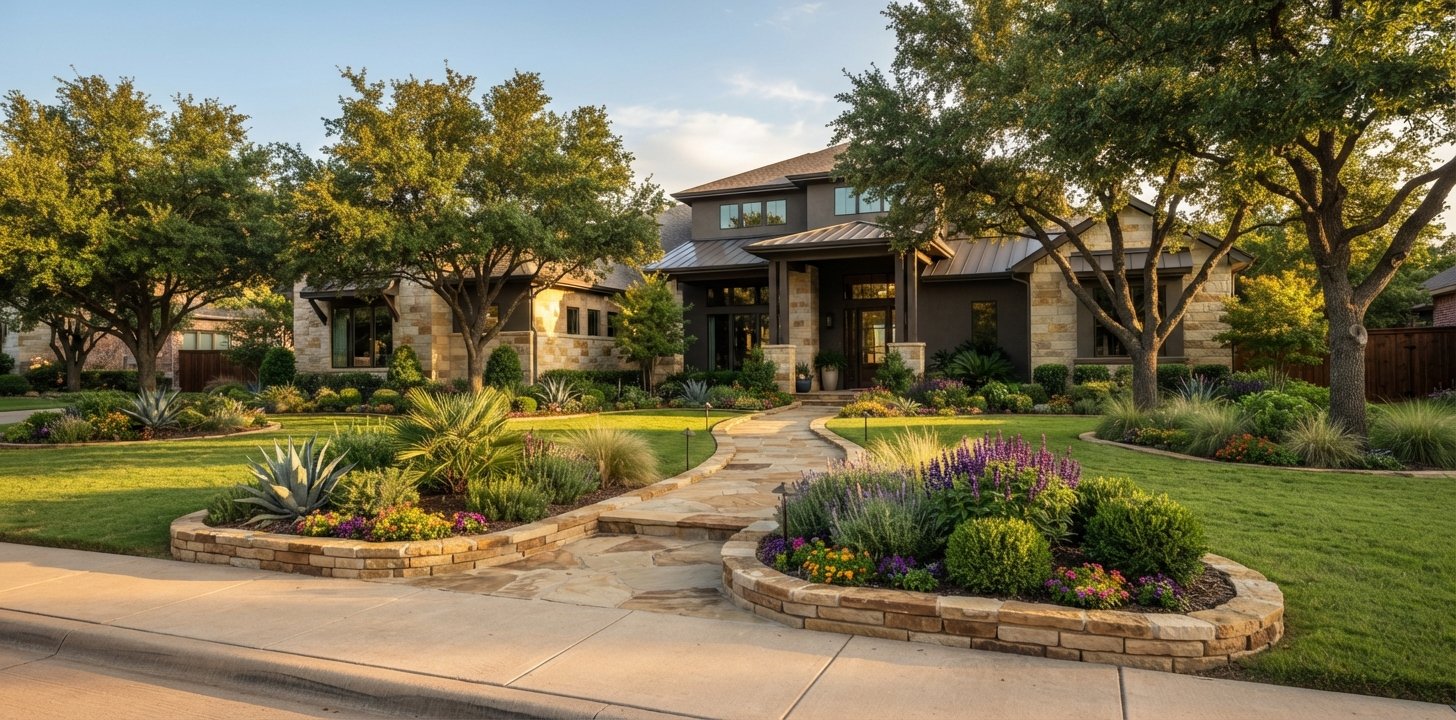
A home’s exterior creates the first impression for visitors, neighbors, and potential buyers. Even when a property has an attractive house, an unmaintained lawn, overgrown shrubs, or poorly arranged garden beds can make the entire exterior look less appealing. A thoughtfully designed landscape brings these elements together and creates a welcoming outdoor environment.
Professional landscaping is about more than planting flowers or keeping grass trimmed. It involves planning the outdoor space, selecting suitable plants, improving the layout, and maintaining features that complement the home’s architecture. For homeowners in Arlington, Texas, these decisions should also account for local temperatures, soil conditions, and seasonal weather.
Investing in landscaping Arlington homeowners can benefit from means looking at the entire property rather than focusing on one small area. With the right design and consistent care, a landscape can improve curb appeal, make outdoor spaces more functional, and contribute to a property’s overall presentation.
1. Creates a Strong First Impression
The front yard is one of the first things people notice when approaching a home. Its condition can influence how welcoming and well-maintained the property appears. Uneven grass, empty planting beds, and overgrown bushes may make an otherwise attractive home look neglected.
Professional landscape planning helps create a more balanced front yard. A landscaping team can evaluate the available space, identify areas that need improvement, and arrange plants and other features to complement the property.
Which Front Yard Features Make the Biggest Difference?
Several landscape elements can improve the appearance of a home’s entrance:
- Well-maintained lawn: Consistent grass coverage creates a clean foundation for the rest of the landscape.
- Defined flower beds: Organized planting areas add color, texture, and structure around the house.
- Healthy shrubs and trees: Carefully selected greenery adds depth and helps frame the property.
- Clean walkways: Attractive and accessible paths create a clear route toward the front entrance.
These features work best when they are planned together. For example, flower beds should complement the lawn rather than interrupt the overall layout. Similarly, trees and shrubs should be positioned where they enhance the home’s appearance without blocking windows or walkways.
2. Improves the Overall Landscape Design
A beautiful landscape needs a consistent design. Simply adding plants, decorative stones, and garden features without a clear plan can make an outdoor area look crowded or disconnected.
Professional landscape design considers the property’s size, architectural style, existing features, and the homeowner’s preferences. The goal is to create a layout where different elements work together.
For homeowners considering landscaping Arlington properties, a design should also reflect local environmental conditions. Arlington’s hot summers make plant selection, irrigation planning, and shade important considerations.
What Should a Professional Landscape Design Include?
A well-planned landscape may include:
- A clear arrangement of lawn and planting areas.
- Suitable trees, shrubs, and flowering plants.
- Defined borders around garden beds.
- Walkways that connect important outdoor areas.
- Decorative features that complement the house.
- Practical spacing that allows plants to grow.
The design should also account for how the outdoor area will be used. A family that regularly spends time outside may need open lawn space, while another homeowner may prefer decorative planting beds and a small seating area.
A balanced design improves the appearance of the property without making maintenance unnecessarily complicated.
3. Adds Color, Texture, and Visual Interest
A lawn with only grass can look neat, but adding different plant varieties and landscape materials creates a more interesting outdoor environment. Flowers introduce seasonal color, shrubs provide structure, and trees add height and natural shade.
The key is selecting features that suit the property’s conditions. Plants should have enough space to grow and should be appropriate for the amount of sunlight and water available.
How Can Plants Improve Your Home’s Appearance?
Different plant types serve different purposes in landscape design.
| Landscape Element | Visual Contribution | Design Consideration |
|---|---|---|
| Flowering plants | Add seasonal color | Choose varieties suited to local conditions |
| Evergreen shrubs | Provide year-round structure | Consider mature plant size |
| Shade trees | Add height and natural shade | Allow sufficient room for root and canopy growth |
| Ornamental grasses | Create movement and texture | Select suitable varieties for the location |
| Ground cover | Fill open spaces | Consider sunlight and soil conditions |
Using a combination of plant shapes, colors, and heights can make the landscape feel more complete. However, too many different varieties may create a cluttered appearance. A consistent color palette and thoughtful spacing usually produce a more organized result.
4. Makes Better Use of Outdoor Living Spaces
Landscaping can improve more than the front of a property. A well-designed backyard can become a comfortable place for relaxing, entertaining guests, or spending time with family.
Professional planning helps homeowners identify how different parts of the yard can serve practical purposes. An open lawn area may provide room for outdoor activities, while a patio or seating area can create a dedicated place to unwind.
Which Outdoor Features Can Improve Functionality?
Depending on the available space and budget, homeowners may consider:
- Patios: Provide a defined area for outdoor seating and gatherings.
- Walkways: Connect the house, garden, patio, and other outdoor features.
- Retaining walls: Help manage changes in ground elevation where appropriate.
- Decorative stone areas: Add visual interest and can reduce the amount of lawn in selected spaces.
- Garden borders: Separate planting areas from paths and lawn sections.
Hardscape features should be selected according to the property’s layout. For example, a narrow walkway may be sufficient for a smaller yard, while a larger property may benefit from a more developed path connecting multiple outdoor areas.
A practical outdoor layout can make the property feel more organized and easier to enjoy.
5. Supports Plant Health and Long-Term Landscape Quality
An attractive landscape requires more than an initial installation. Plants need suitable growing conditions, and different landscape elements require regular attention.
Professional landscape planning considers the needs of plants before they are installed. This includes sunlight exposure, soil conditions, drainage, watering requirements, and mature plant size.
For landscaping Arlington projects, selecting plants that can handle North Texas conditions is especially important. Many properties experience hot summers, so drought-tolerant varieties may be useful in areas where water conservation is a priority.
Why Is Choosing the Right Plant Important?
A plant that looks attractive at a garden center may not be suitable for every yard. Some varieties need more sunlight, while others perform better in partial shade. Certain plants also require more frequent watering or pruning than homeowners may expect.
Choosing appropriate plants can help:
- Reduce unnecessary replacement of struggling plants.
- Create a more consistent appearance across the property.
- Support healthier growth under suitable conditions.
- Make ongoing maintenance more manageable.
Native and well-adapted plants can be useful options, but the best selection depends on the property’s specific soil, sunlight, drainage, and available space.
6. Reduces Common Landscaping Problems
Poor landscape planning can create problems that become more noticeable over time. Plants may grow too close together, water may collect in low areas, and tree roots may interfere with nearby hardscape features.
Professional assessment can help identify these concerns before new features are installed.
What Landscaping Mistakes Should Homeowners Avoid?
Some common mistakes can affect both the appearance and practicality of an outdoor space:
- Planting without considering mature size: Shrubs and trees may eventually become overcrowded or block important areas.
- Ignoring drainage: Poor water movement can contribute to standing water and damage to parts of the landscape.
- Choosing plants only for appearance: Plants that are unsuitable for local conditions may require more attention or struggle to grow.
- Overcrowding garden beds: Too many plants can compete for space, sunlight, and water.
- Neglecting regular maintenance: Untrimmed shrubs, weeds, and damaged lawn areas can reduce the overall appearance of the property.
A good landscape plan considers how the yard will look not only immediately after installation but also as plants mature.
7. Helps Maintain a Clean and Organized Property
Even a professionally designed landscape can lose its appeal without consistent maintenance. Grass may become uneven, weeds can spread through planting beds, and shrubs may grow beyond their intended shape.
Regular landscape maintenance helps preserve the original design and keeps outdoor areas looking orderly.
For homeowners investing in landscaping Arlington services, a practical maintenance routine may include mowing, edging, pruning, weed control, and seasonal cleanup.
Which Maintenance Tasks Keep a Landscape Looking Its Best?
The maintenance schedule should reflect the property’s plant varieties and growing conditions. Common tasks include:
Lawn mowing and edging: Regular mowing helps maintain a consistent lawn height, while edging creates cleaner boundaries along walkways and garden beds.
Shrub and tree pruning: Appropriate pruning helps maintain plant shape and removes damaged or unwanted growth. Timing depends on the plant species.
Weed management: Removing weeds from lawn areas and garden beds helps prevent them from spreading and competing with desirable plants.
Mulch replacement: Maintaining suitable mulch coverage can improve the appearance of planting beds and help conserve soil moisture.
Seasonal cleanup: Removing fallen leaves, dead plant material, and debris keeps outdoor areas more presentable.
Consistent care can also make it easier to notice developing issues, such as damaged plants, drainage concerns, or thinning grass.
8. Can Professional Landscaping Increase Property Value?
A well-maintained outdoor space can improve the overall presentation of a property. Buyers and visitors often notice the lawn, entrance, planting beds, and outdoor layout before entering the house.
While landscaping does not guarantee a specific increase in property value, attractive and functional outdoor areas can make a home more appealing to potential buyers.
Which Improvements May Make a Property More Attractive?
Homeowners can consider improvements that create visible benefits without making the design overly complicated.
A clean front entrance, healthy lawn, defined garden beds, and well-maintained trees can create a positive impression. Functional walkways and comfortable outdoor areas may also help potential buyers understand how the space can be used.
The best improvements depend on the property’s current condition. Replacing struggling plants, improving lawn coverage, or refreshing existing garden beds may be more practical than installing expensive features that do not suit the home.
9. Choosing the Right Landscaping Approach in Arlington
Every property has different outdoor requirements. A small front yard may need a simple planting arrangement, while a larger property may benefit from separate lawn, garden, and outdoor living areas.
Before starting a project, homeowners should consider their goals, available budget, maintenance expectations, and the condition of the existing landscape.
A professional evaluation can help determine which improvements should be prioritized. It may also identify opportunities to reuse healthy existing plants or improve the layout without replacing everything.
When planning landscaping Arlington properties, local climate conditions should remain part of the decision-making process. Suitable plant selection, efficient irrigation, appropriate materials, and a realistic maintenance plan can all contribute to a landscape that remains attractive over time.
Conclusion
Professional landscaping can transform the way a home looks and functions. From improving the front entrance to creating comfortable backyard spaces, thoughtful design brings structure, color, and purpose to outdoor areas.
For homeowners in Arlington, Texas, the most effective approach combines attractive design with practical decisions about plants, soil, drainage, and maintenance. Selecting features that suit the property and local growing conditions can help prevent common problems and preserve the landscape’s appearance.
A well-planned landscaping Arlington project can create a more welcoming first impression, improve outdoor usability, and support the long-term presentation of a home.
Frequently Asked Questions
1. How does professional landscaping improve curb appeal?
Professional landscaping improves curb appeal by organizing lawn areas, adding suitable plants, defining garden beds, and creating a welcoming entrance. These improvements help the exterior look cleaner and more visually balanced.
2. What landscaping features are best for Arlington, Texas homes?
Suitable features may include well-maintained lawns, drought-tolerant plants, native or adapted shrubs, shade trees, defined planting beds, and practical walkways. The best choices depend on the property’s soil, sunlight, drainage, and available space.
3. Does professional landscaping require regular maintenance?
Yes. Most landscapes need ongoing care, including mowing, pruning, weed management, watering, and seasonal cleanup. Maintenance requirements depend on the plants and features included in the design.
4. Can landscaping make a small yard look bigger?
Yes. A simple layout, clearly defined garden beds, appropriately sized plants, and well-positioned walkways can make a small yard feel more open and organized.
5. Is professional landscaping worth the investment?
It can be worthwhile for homeowners who want a more attractive and functional outdoor space. The value depends on the property’s needs, project budget, design choices, and the quality of ongoing maintenance.