
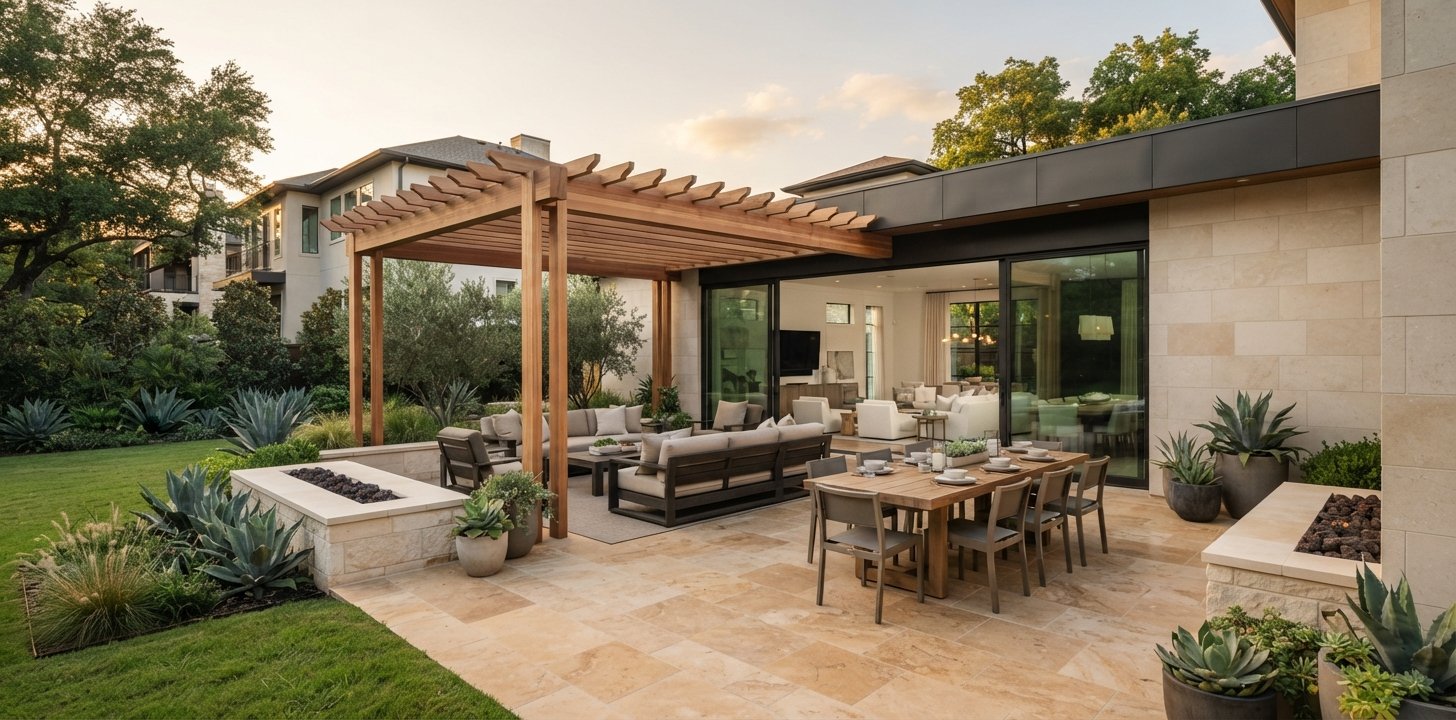
An outdoor space should feel like a natural extension of the home rather than a separate area with unrelated features. The right combination of plants, walkways, seating areas, lighting, and decorative materials can connect the property’s exterior design with its surrounding landscape. Whether a homeowner has a small front yard or a spacious backyard, thoughtful planning can make the outdoor environment more attractive and practical.
Creating a well-designed landscape involves more than choosing attractive flowers or installing a patio. Homeowners need to consider the house’s architectural style, available space, sunlight, soil conditions, and how they want to use their outdoor areas. In Dallas, Texas, hot summers and changing weather conditions also make plant selection and water management important considerations.
A carefully planned landscaping Dallas project can help homeowners create an outdoor environment that complements their property’s appearance while supporting everyday activities. With a balanced design, the landscape can become a comfortable and visually connected part of the home.
1. Start With Your Home’s Architectural Style
The exterior architecture of a house should guide the overall landscape design. A modern home may look best with clean lines, simple planting arrangements, and minimal decorative features. A traditional property may suit curved garden beds, flowering plants, and more natural-looking pathways.
When the landscape complements the house, the entire property feels more coordinated. Instead of adding features simply because they look attractive individually, homeowners should consider how each element contributes to the overall appearance.
How Do You Match Landscape Design With Your Home’s Style?
Start by examining the home’s exterior materials, colors, shape, and entrance layout.
For example, a brick home may look attractive with natural stone borders, green shrubs, and warm-toned garden materials. A contemporary property may benefit from geometric planting beds, neutral-colored paving, and carefully positioned ornamental grasses.
Consider these design elements:
- Architectural consistency: Select landscape shapes and materials that complement the home’s exterior rather than competing with it.
- Color coordination: Use plant colors, stone finishes, and decorative materials that work well with the property’s existing color scheme.
- Balanced proportions: Choose trees, shrubs, and garden features that suit the size and height of the house.
These details help create a unified appearance. A landscape should enhance the home’s character without making the exterior feel crowded or overly decorative.
2. Divide the Outdoor Area Into Functional Zones
A well-designed outdoor space should have a clear purpose. Some homeowners want an area for entertaining guests, while others prefer a quiet garden, open lawn, or comfortable family seating space.
Dividing the available yard into functional zones makes it easier to plan the layout. Each area can serve a specific purpose while remaining visually connected to the rest of the property.
Which Features Make an Outdoor Space More Functional?
The best features depend on the size of the property and the homeowner’s lifestyle. Some useful options include:
- Outdoor seating areas: A patio or seating corner can provide a comfortable place for relaxing and entertaining.
- Open lawn sections: A maintained lawn provides flexible space for family activities and everyday outdoor use.
- Garden areas: Flower beds and decorative plants add color and create a more natural environment.
- Connecting walkways: Paths make it easier to move between the house, garden, patio, and other outdoor areas.
For larger properties in Dallas, separate zones can make the yard feel more organized. A patio near the house, for example, can provide convenient access for outdoor dining, while a garden area farther away can create a quieter setting.
For smaller yards, a simpler layout may work better. Combining seating with planting beds and using clear pathways can make limited space feel more purposeful.
3. Choose Plants That Suit Dallas Growing Conditions
Plant selection is one of the most important parts of landscape planning. A plant may look beautiful when first installed, but it can struggle if the location does not provide suitable sunlight, soil, drainage, or moisture.
Dallas experiences hot summers, so homeowners should consider plants that can handle local conditions once established. Native and well-adapted varieties may be useful choices when they match the property’s specific environment.
What Plants Work Well in Dallas Landscapes?
The right selection depends on sunlight exposure, available space, soil conditions, and maintenance preferences.
Some options to consider include:
Texas native plants: Native varieties can be valuable because they are adapted to regional conditions. Examples include Texas sage and certain native ornamental grasses, depending on the planting location.
Drought-tolerant plants: Suitable drought-tolerant varieties can help reduce irrigation requirements once established. Their actual water needs still depend on soil and weather conditions.
Evergreen shrubs: These can provide consistent structure and greenery throughout the year. Their mature size should be considered before planting.
Flowering plants: Seasonal flowers add color and can create visual contrast against green lawns and shrubs.
Shade trees: Appropriately selected trees can provide shade and add height to the landscape. They need sufficient room for their mature canopy and root system.
A professional landscaping Dallas plan should consider how plants will look as they mature. Proper spacing helps prevent overcrowding and reduces the need for frequent replacements or excessive pruning.
4. Select Hardscape Materials That Complement the Property
Hardscape features provide structure and usability to an outdoor environment. These include patios, walkways, retaining walls, decorative stone areas, and other non-plant elements.
The materials selected for these features should complement the home’s exterior. For example, natural stone may suit a traditional property, while simple concrete pavers may work well with a modern design.
How Do You Choose the Right Hardscape Features?
Begin by identifying the areas where hardscape improvements would provide practical benefits.
| Hardscape Feature | Main Purpose | Design Consideration |
|---|---|---|
| Patio | Outdoor seating and entertaining | Match its size to the available yard space |
| Walkway | Connect different outdoor areas | Choose a suitable width and durable surface |
| Retaining wall | Manage changes in ground elevation | Consider drainage and structural requirements |
| Stone border | Define garden and lawn edges | Coordinate stone color with the home |
| Decorative gravel | Create low-planting areas | Select suitable materials and provide proper installation |
A patio should have enough room for its intended furniture and activities. Walkways should provide comfortable access without taking up unnecessary lawn space.
Drainage also needs attention during hardscape installation. Poor planning can cause water to collect near the house, patio, or garden beds. Appropriate grading and drainage solutions help protect both the landscape and the property’s exterior.
5. Create Comfortable Outdoor Seating Areas
Outdoor seating can make a yard more useful throughout the year. A thoughtfully positioned patio, garden bench, or covered seating area provides a place to relax and enjoy the surrounding landscape.
The design should consider privacy, shade, accessibility, and the distance from the house. Seating placed near the kitchen or main living area may be convenient for outdoor dining, while a quieter garden corner may be better for relaxation.
What Should You Consider Before Installing an Outdoor Patio?
A few practical decisions can make the space more comfortable:
Location: Choose an area with convenient access from the house and enough room for movement.
Shade: Dallas summers can be hot, so shade from trees, pergolas, or suitable covered structures may improve comfort.
Furniture: Select outdoor furniture that fits the available space and can withstand outdoor conditions.
Privacy: Shrubs, trees, or carefully placed screening features may help create a more private environment.
Surface materials: Choose patio materials that are durable and appropriate for outdoor temperatures and regular use.
The seating area should feel connected to the rest of the landscape. Planting beds, decorative borders, and nearby lighting can help integrate it into the overall design.
6. Use Landscape Lighting to Improve the Outdoor Experience
Lighting can change how an outdoor space looks and functions after sunset. It can highlight attractive landscape features, improve visibility along walkways, and make patios more comfortable to use in the evening.
However, lighting should be planned carefully. Too many fixtures or overly bright lights can make the landscape look harsh and distract from the home’s architecture.
Where Should Outdoor Lighting Be Installed?
Homeowners can consider several locations:
- Along walkways and garden paths to improve visibility.
- Near entrances and steps to support safe movement.
- Around patios and seating areas for evening use.
- Near selected trees or architectural features to create subtle visual interest.
- Around garden beds where low-level lighting can highlight plants.
The goal is to create a balanced lighting arrangement. Using appropriate fixture placement and brightness can improve the outdoor environment without overwhelming the landscape.
7. Plan for Easy Maintenance and Long-Term Landscape Health
A beautiful outdoor design should also be manageable. Some landscapes require frequent pruning, watering, and seasonal planting, while others use simpler arrangements that need less ongoing attention.
Homeowners should consider maintenance requirements before choosing plants and materials. A design that looks attractive but requires more care than the homeowner can provide may become difficult to maintain.
For properties considering landscaping Dallas, practical planning should include:
- Selecting plants according to sunlight and water requirements.
- Leaving enough space for shrubs and trees to reach their mature size.
- Using mulch in suitable planting beds to help retain soil moisture.
- Planning irrigation according to the needs of different landscape areas.
- Maintaining lawn edges, walkways, and garden borders.
- Inspecting drainage after heavy rainfall.
A simple maintenance schedule can help homeowners stay on top of regular tasks. Mowing, pruning, weed control, irrigation checks, and seasonal cleanup all contribute to a more organized property.
8. Bring the Entire Outdoor Design Together
The most successful outdoor spaces feel connected from the front entrance to the backyard. Even when different areas serve separate purposes, they should share a consistent design approach.
This can be achieved through coordinated materials, complementary plant choices, repeated colors, and similar landscape details. For example, using the same stone finish in garden borders and walkway edging can create a visual connection between different parts of the property.
Why Is Design Consistency Important?
Without a clear design direction, outdoor spaces can look disconnected. A modern patio beside an overly decorative garden may not complement the home’s overall appearance.
Consistency does not mean every area must look identical. Instead, it means using a few shared design elements to create visual harmony.
Homeowners can also improve the overall layout by reviewing the property’s existing features before making changes. Healthy mature trees, established shrubs, and useful walkways may already contribute to the design and can sometimes be incorporated into the updated plan.
A complete landscaping Dallas approach should balance appearance, functionality, and maintenance requirements. This helps create an outdoor space that feels like a natural continuation of the home rather than a collection of unrelated features.
Conclusion
Creating an outdoor space that complements your home requires thoughtful planning and attention to detail. The right combination of plants, hardscape materials, seating areas, walkways, and lighting can improve both the appearance and functionality of a property.
For homeowners in Dallas, Texas, local weather conditions and plant requirements should also influence design decisions. Selecting suitable greenery, planning for summer heat, and considering water management can help create an outdoor environment that remains attractive over time.
With a balanced landscaping Dallas design, homeowners can make better use of their outdoor areas while creating a welcoming space that reflects the style and character of their home.
Frequently Asked Questions
1. How can I make my outdoor space match my home’s style?
Start by considering the home’s architecture, exterior colors, and materials. Choose plants, pathways, garden borders, and patio finishes that complement these existing features.
2. What are the best landscaping features for Dallas homes?
Suitable features may include drought-tolerant plants, shade trees, patios, defined garden beds, walkways, and efficient irrigation systems. The best choices depend on the property’s size, sunlight, and soil conditions.
3. How can I make a small outdoor space look more attractive?
Use a simple layout, appropriately sized plants, clear walkways, and multifunctional seating. Avoid overcrowding the area with too many decorative features.
4. Does outdoor lighting improve landscape design?
Yes. Properly positioned outdoor lighting can highlight selected landscape features, improve walkway visibility, and make seating areas more usable after sunset.
5. How do I keep my outdoor space looking good throughout the year?
Follow a consistent maintenance routine that includes appropriate watering, mowing, pruning, weed control, and seasonal cleanup. Choose plants that suit local conditions to make long-term care more manageable.