
A crisp line between lawn and flower bed does more for a garden than almost any plant. Edging stops grass creeping into beds, keeps mulch in place, and makes mowing easier. This guide explains how garden border edging works, which materials suit different gardens, and how to install it properly.
What Edging Actually Does
Edging separates two surfaces, such as lawn and border, or gravel and soil. It creates a visible boundary and a physical barrier. Grass roots and stolons tend to creep into planting areas, so a good edge reduces weeding.
It also helps maintenance. A clear boundary means you can mow, trim, and mulch with less effort. Good garden border edging can even make a small garden feel larger and more organised.
Main Material Choices
Recycled Rubber
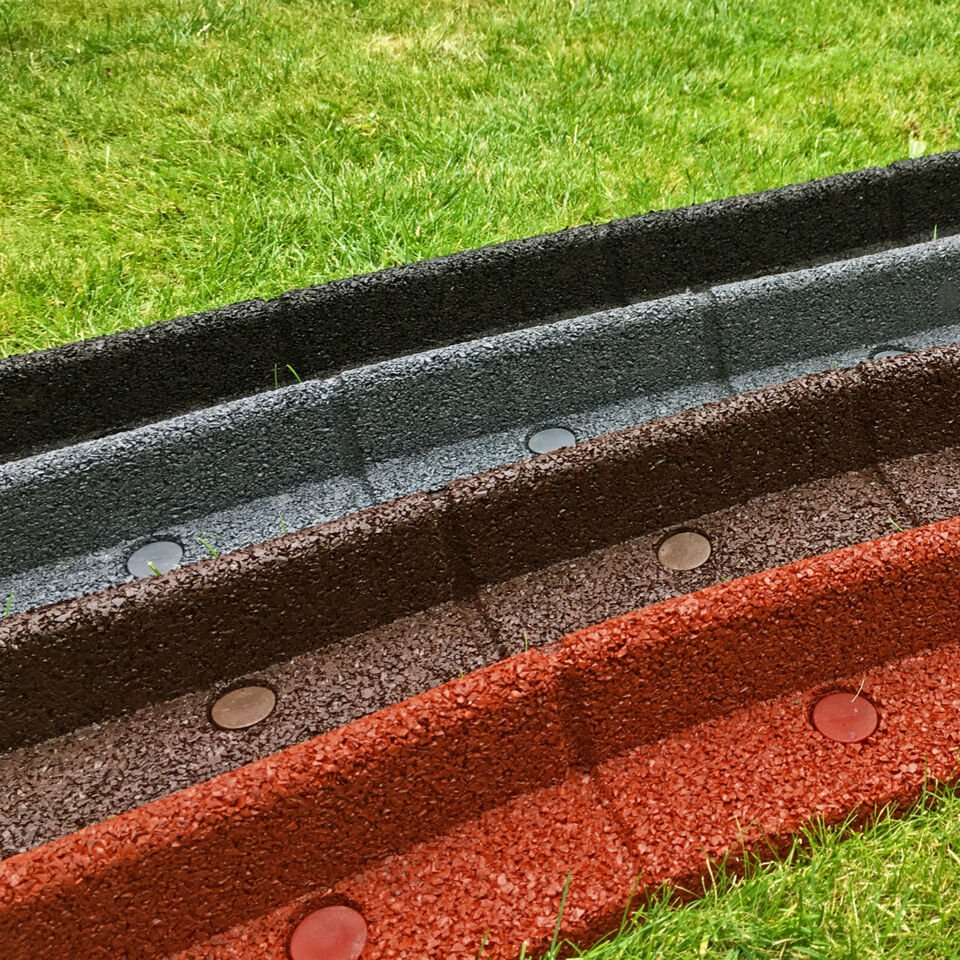
Rubber edging is flexible, weatherproof, and safe for mowers and children. It bends around curves and can be cut with a handsaw. Because it is made from recycled material, it appeals to people who want a more sustainable option.
Metal
Steel and aluminium edging gives a thin, sleek line. It is long-lasting but can be sharp and harder to shape into tight curves. Metal suits formal and contemporary gardens.
Plastic
Plastic is cheap and easy to find. Thin versions can become brittle in cold weather, and some lift out of the ground over time. Thicker, UV-stable products last longer.
Timber
Treated timber boards or log rolls give a natural look. They need maintenance and eventually rot. They suit cottage and woodland styles.
Brick and Stone
Bricks, setts, and stone create a permanent, traditional edge. They require more labour and a firm base, and they can interfere with mowing unless set flush.
Choosing for Your Garden
The right garden border edging depends on how you use the space.
- Gardens with children benefit from soft, rounded edges
- Lawns mown with a rotary mower are easier with edging that sits flush or allows wheels to run along it
- Curved beds need flexible material
- Formal designs suit metal or stone
- Natural plantings suit timber or rubber in earthy colours
Colour matters too. Neutral shades blend with soil and paving, while bold colours create contrast. Samples help you judge how a colour looks in your own light.
Measure First
Measuring properly saves money on garden border edging and avoids waste.
Measure the length you need before buying. Use a hosepipe or rope to mark curves and walk the line. For straight runs, tie a string between two pegs.
Preparing the Ground
A neat edge starts with a neat trench. Trim the lawn with a half-moon edging tool, cutting a clean vertical line. Remove turf and stones to the depth the product requires, often a few centimetres.
The RHS suggests marking about 7.5 cm on a spade blade if you edge by hand. Keep the base level so the edging sits evenly. Firm the soil before laying.
Installing Flexible Edging
- Lay out the edging along your marked line
- Connect lengths using the supplied connectors
- Place the edging in the trench so the top sits at the right height
- Fix it with pegs or pins at the recommended spacing
- Backfill soil and firm it down
- Trim the lawn edge neatly
Take your time with pegs. Pilot holes made with a screwdriver can stop pins from snapping in hard ground. Check the line from a distance before finishing.
Keeping Edging Working
Edging is low-maintenance but not maintenance-free. Trim grass at the edge regularly, and keep soil from building up over the top. Check pegs after heavy rain or frost.
Replace any damaged sections early. A tidy edge is the difference between a garden that looks cared for and one that looks neglected. Well-installed garden border edging can stay neat for years.
Edging for Special Uses
Edging is useful beyond flower beds. It can line pathways, driveways, play areas, vegetable plots, and gravel borders. In schools and nurseries, soft rounded edges reduce injury risk.
Around artificial grass, edging secures the perimeter and gives a finished look. Choose a product designed for the surface. The right garden border edging can solve several jobs at once.
Conclusion
Choose material that suits your style, measure carefully, prepare the trench, and fix the edging securely. Gardeners who want a modern, understated finish often settle on grey garden edging because it blends with paving, gravel, and planting. Finish with a tidy trim, and enjoy the cleaner lines.
 junkacar.calgary
 CEO Asif