
Introduction
Healthy plants do more than beautify your home and garden—they improve air quality, attract beneficial pollinators, and create a relaxing environment. Following reliable plant care guides helps gardeners understand how to meet the unique needs of different plants while avoiding common mistakes. Whether you are growing houseplants, flowers, vegetables, or ornamental shrubs, proper care involves more than occasional watering. Sunlight, soil quality, nutrients, pruning, and pest management all contribute to healthy growth. The good news is that successful gardening doesn’t require years of experience. By learning a few essential techniques and maintaining a regular care routine, anyone can enjoy vibrant, thriving plants throughout every season.
Choose the Right Plants for Your Environment
The foundation of successful gardening begins with selecting plants that match your local climate and growing conditions. Many gardening problems occur because plants are placed in environments where they cannot thrive.
Before buying new plants, evaluate the amount of sunlight each area receives. Some species require full sun for six or more hours daily, while others perform better in partial shade or full shade.
Also consider your soil type. Sandy soil drains quickly, while clay soil retains moisture longer. Adding compost improves nearly every soil type by increasing nutrients and improving drainage.
Native plants are often the easiest choice because they naturally adapt to local weather patterns and require less maintenance than many exotic varieties.
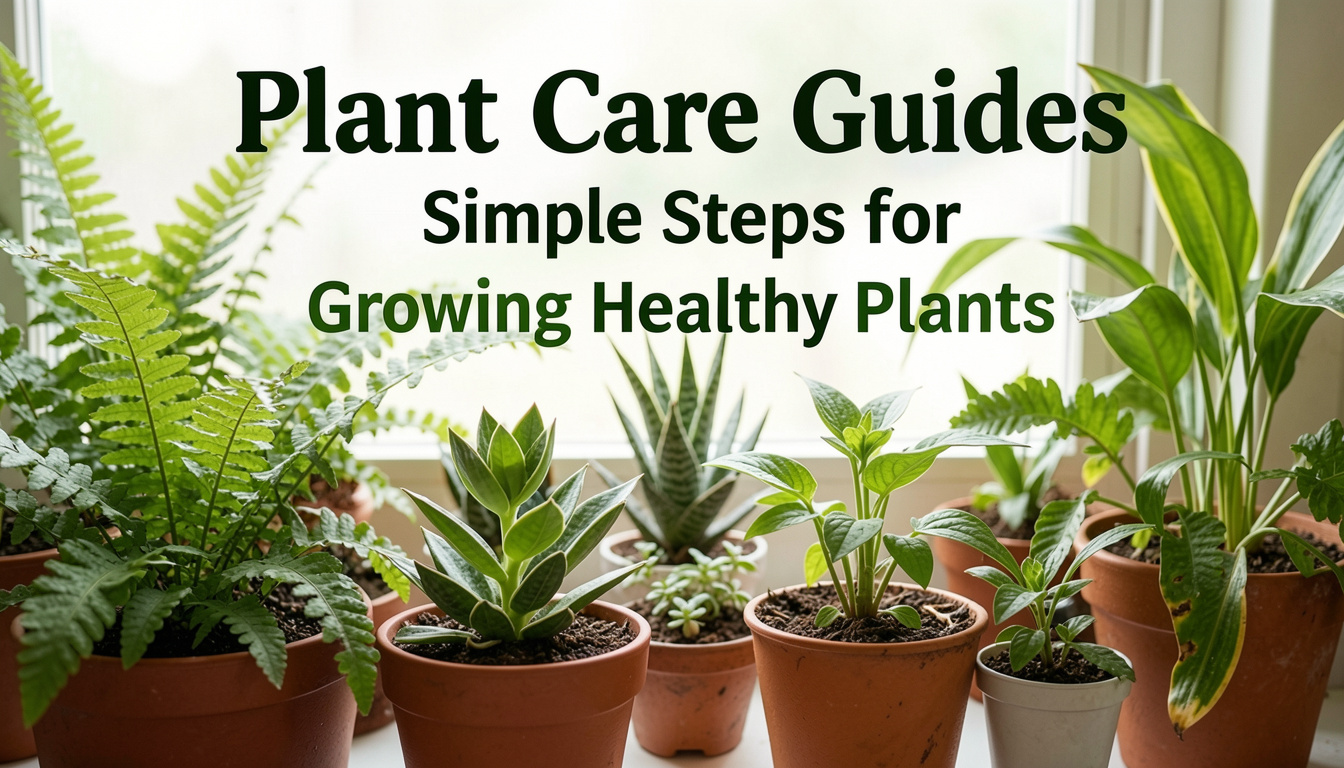
When choosing indoor plants, pay attention to humidity levels, available light, and room temperature. Popular beginner-friendly houseplants such as pothos, snake plants, ZZ plants, and peace lilies tolerate a variety of indoor conditions.
Selecting the right plant for the right location dramatically increases the chances of long-term success.
Water and Fertilize Plants Properly
Watering is one of the most misunderstood aspects of plant care. Both overwatering and underwatering can damage plant roots and slow growth.
Instead of watering on a fixed schedule, check the soil moisture first. Insert your finger about two inches into the soil. If it feels dry, it’s usually time to water.
Deep watering encourages roots to grow downward, making plants stronger and more drought-resistant. Water early in the morning whenever possible to reduce evaporation and help foliage dry before evening.
Fertilizing supplies essential nutrients that support healthy leaves, flowers, and root development. However, more fertilizer does not always produce better results.
Choose fertilizers based on your plants’ specific needs. Flowering plants often benefit from phosphorus-rich fertilizers, while leafy plants generally require more nitrogen.
Organic options such as compost, worm castings, and well-rotted manure gradually improve soil health while providing balanced nutrition.
Following proper watering and fertilizing practices creates stronger, healthier plants that resist disease more effectively.
Prune Regularly and Prevent Common Plant Problems
Pruning is essential for maintaining healthy growth and improving the appearance of plants. Removing dead, damaged, or diseased branches allows plants to direct energy toward producing new growth.
Flowering plants often bloom more abundantly when spent flowers are removed regularly. Shrubs and trees benefit from annual pruning that improves airflow and reduces overcrowding.
Watch for signs of common plant problems such as yellow leaves, brown leaf tips, wilting, or stunted growth. These symptoms often indicate watering issues, poor drainage, nutrient deficiencies, or pest infestations.
Inspect plants frequently for insects including aphids, spider mites, whiteflies, and mealybugs. Early detection makes treatment much easier.
Natural pest control methods such as neem oil, insecticidal soap, and introducing beneficial insects help reduce chemical use while protecting your garden.
Keeping plants clean by removing fallen leaves and debris also helps prevent fungal diseases and encourages healthier growth throughout the growing season.
Create a Year-Round Plant Care Routine
Consistent care is the key to maintaining healthy plants over the long term. Rather than waiting for problems to appear, establish a simple routine that changes with the seasons.
Spring is ideal for planting, fertilizing, and dividing perennials. Summer focuses on watering, mulching, and monitoring for pests during periods of rapid growth.
Autumn is the perfect time to prune certain shrubs, plant bulbs for spring flowers, and prepare gardens for colder temperatures. Winter maintenance includes protecting sensitive plants from frost and reducing watering for dormant species.
Indoor plants also benefit from seasonal adjustments. Many require less water during winter because growth naturally slows.
Keep gardening tools clean and sharp to reduce the spread of disease between plants. Replace damaged pots, inspect drainage holes, and refresh potting soil when necessary.
Maintaining a gardening journal helps track watering schedules, fertilizer applications, flowering periods, and plant performance, making future care even more effective.
Conclusion
Following dependable plant care guides makes gardening easier, more enjoyable, and more successful regardless of your experience level. By choosing plants suited to your environment, watering correctly, providing balanced nutrition, pruning regularly, and following a seasonal maintenance routine, you can grow healthy plants that thrive year after year. Gardening is a rewarding hobby that improves both your home and your well-being. Small, consistent efforts produce lasting results, allowing you to enjoy vibrant flowers, healthy foliage, and productive gardens in every season.
Frequently Asked Questions
1. What are plant care guides?
Plant care guides provide instructions for watering, fertilizing, pruning, repotting, and maintaining healthy indoor and outdoor plants.
2. How often should I water my plants?
Water only when the top inch or two of soil feels dry, adjusting frequency based on the plant type and weather conditions.
3. Which indoor plants are easiest to grow?
Snake plants, pothos, spider plants, ZZ plants, and peace lilies are excellent beginner-friendly choices.
4. Why are my plant leaves turning yellow?
Yellow leaves may result from overwatering, poor drainage, nutrient deficiencies, or insufficient sunlight.
5. How often should I fertilize plants?
Most plants benefit from fertilizing every four to eight weeks during their active growing season.
6. What is the best soil for container plants?
High-quality potting mix with good drainage is recommended for most container-grown plants.
7. How do I naturally control garden pests?
Use neem oil, insecticidal soap, beneficial insects, companion planting, and proper garden sanitation.
8. Why is pruning important?
Pruning removes damaged growth, improves airflow, encourages flowering, and helps plants maintain a healthy shape.