
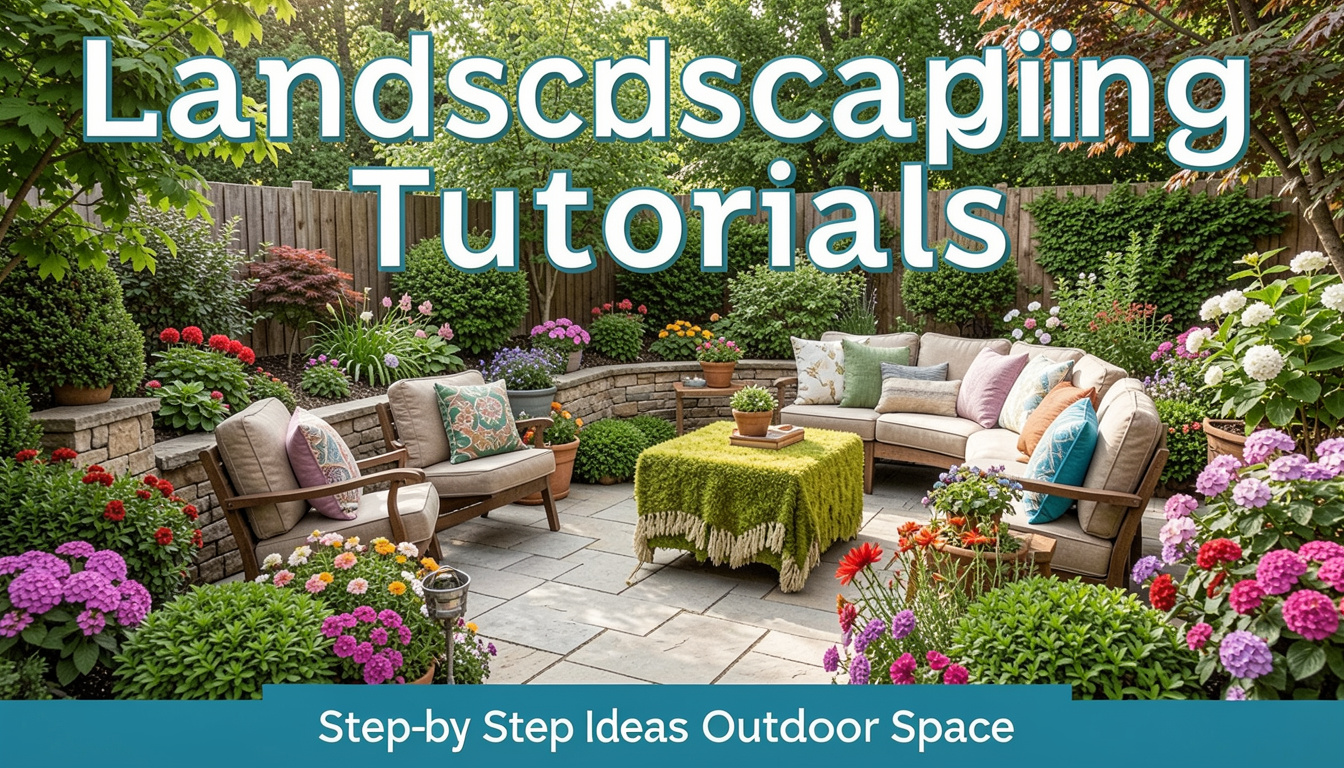
Introduction
Creating a beautiful landscape may seem overwhelming at first, but with the right landscaping tutorials, anyone can transform an ordinary yard into an attractive outdoor retreat. Successful landscaping is about more than planting flowers—it combines planning, functionality, and creativity to create a space that complements your home while remaining easy to maintain. Whether you’re redesigning your front yard, refreshing your backyard, or starting from scratch, understanding the basics will save time, money, and effort. This guide walks you through essential landscaping techniques, from planning your layout to choosing plants and maintaining your garden. With these practical strategies, you’ll be able to build an outdoor space that stays beautiful throughout every season.
Start with a Landscape Design Plan
Every successful landscape begins with a thoughtful plan. Before purchasing plants, trees, or decorative materials, spend time evaluating your outdoor space. Measure the size of your yard, observe how sunlight moves throughout the day, and identify areas with drainage issues or uneven ground.
Think about how you want to use your landscape. You may need a relaxing seating area, a children’s play zone, a vegetable garden, or colorful flower beds. Dividing your yard into functional sections helps create an organized design that balances beauty with practicality.
Sketch a simple layout on paper before beginning any work. Mark existing trees, pathways, fences, patios, and structures. This visual plan makes it easier to determine where new features should be placed.
Leave enough open space between planting areas to allow plants room to grow. Avoid overcrowding, as mature plants often become much larger than expected.
A well-planned landscape reduces future maintenance while creating an outdoor environment that remains attractive for years.
Choose the Right Plants for Your Climate
Plant selection is one of the most important decisions in landscaping. Choosing plants that naturally thrive in your local climate results in healthier gardens and lower maintenance costs.
Native plants are often the best choice because they adapt well to local weather, soil conditions, and rainfall. They also support birds, butterflies, bees, and other beneficial wildlife.
Create visual interest by layering plants of different heights. Place taller trees and shrubs toward the back of garden beds while positioning colorful flowers and ground covers closer to pathways.
Mix evergreen plants with seasonal blooms to ensure year-round beauty. Ornamental grasses provide movement and texture, while flowering perennials return every year with minimal effort.
Pay attention to watering requirements when grouping plants. Species with similar needs grow better together and simplify irrigation.
Healthy soil is equally important. Adding compost before planting improves drainage, increases nutrients, and supports strong root development.
Selecting the right plants from the beginning saves time and creates a landscape that remains vibrant with less ongoing work.
Add Hardscaping to Improve Functionality
Hardscaping refers to the non-living elements of landscape design that provide structure and usability. Features such as patios, pathways, retaining walls, and decorative stone create organization while increasing your property’s visual appeal.
Walkways guide visitors through the landscape while protecting grass from heavy foot traffic. Materials such as natural stone, brick, concrete pavers, and gravel offer different styles to match your home’s architecture.
Patios expand your outdoor living space and provide areas for dining, relaxing, or entertaining. Adding pergolas or shade structures increases comfort during warmer months.
Retaining walls help manage sloped properties while preventing erosion. Decorative edging around flower beds creates clean lines and makes lawn maintenance easier.
Water features such as fountains or ponds introduce soothing sounds while serving as attractive focal points. Garden benches and seating areas encourage people to spend more time enjoying the landscape.
Combining hardscaping with healthy plants creates a balanced outdoor design that is both practical and visually appealing.
Maintain Your Landscape Throughout the Year
Even the most beautiful landscape requires regular maintenance to remain healthy and attractive. Developing a simple maintenance routine prevents small problems from becoming expensive repairs.
Water plants deeply but less frequently to encourage stronger root systems. Early morning watering reduces evaporation and minimizes the risk of plant diseases.
Apply mulch around trees, shrubs, and flower beds to conserve moisture, reduce weeds, and regulate soil temperature. Refresh mulch annually to maintain its appearance and effectiveness.
Prune shrubs and trees regularly to remove damaged branches and encourage healthy growth. Deadheading flowering plants promotes additional blooms throughout the growing season.
Inspect irrigation systems for leaks and adjust watering schedules based on seasonal weather conditions. Fertilize according to the needs of each plant rather than using a single product for the entire yard.
Remove weeds before they spread and keep pathways clean by sweeping away leaves and debris.
Consistent maintenance protects your investment while ensuring your landscape remains beautiful in every season.
Conclusion
Learning through landscaping tutorials allows homeowners to confidently design outdoor spaces that combine beauty, comfort, and long-term functionality. Careful planning, selecting climate-appropriate plants, incorporating practical hardscaping, and following a regular maintenance schedule are the foundations of successful landscape design. Every improvement, whether large or small, contributes to creating an outdoor environment that enhances your home’s appearance and supports your lifestyle. Landscaping is an ongoing process rather than a one-time project. By making thoughtful decisions and caring for your garden consistently, you’ll enjoy a vibrant, welcoming landscape that continues to improve year after year.
Frequently Asked Questions
1. What are landscaping tutorials?
Landscaping tutorials provide step-by-step guidance on planning, designing, planting, and maintaining outdoor spaces.
2. How do I start landscaping my yard?
Begin by creating a landscape plan, measuring your yard, evaluating sunlight, and choosing plants suited to your local climate.
3. What are the easiest plants for beginners?
Native plants, ornamental grasses, hostas, lavender, daylilies, and evergreen shrubs are excellent beginner-friendly options.
4. What is hardscaping?
Hardscaping includes patios, pathways, retaining walls, stone features, decks, and other non-living landscape elements.
5. How often should I water my landscape?
Most established plants benefit from deep watering once or twice per week, depending on weather conditions.
6. Why is mulch important?
Mulch conserves soil moisture, suppresses weeds, improves soil health, and gives planting beds a finished appearance.
7. When is the best time to plant shrubs and trees?
Spring and fall are generally the best seasons because temperatures are moderate and plants establish roots more easily.
8. How can landscaping increase property value?
Well-designed landscaping improves curb appeal, enhances outdoor living spaces, and often increases the resale value of a home.