
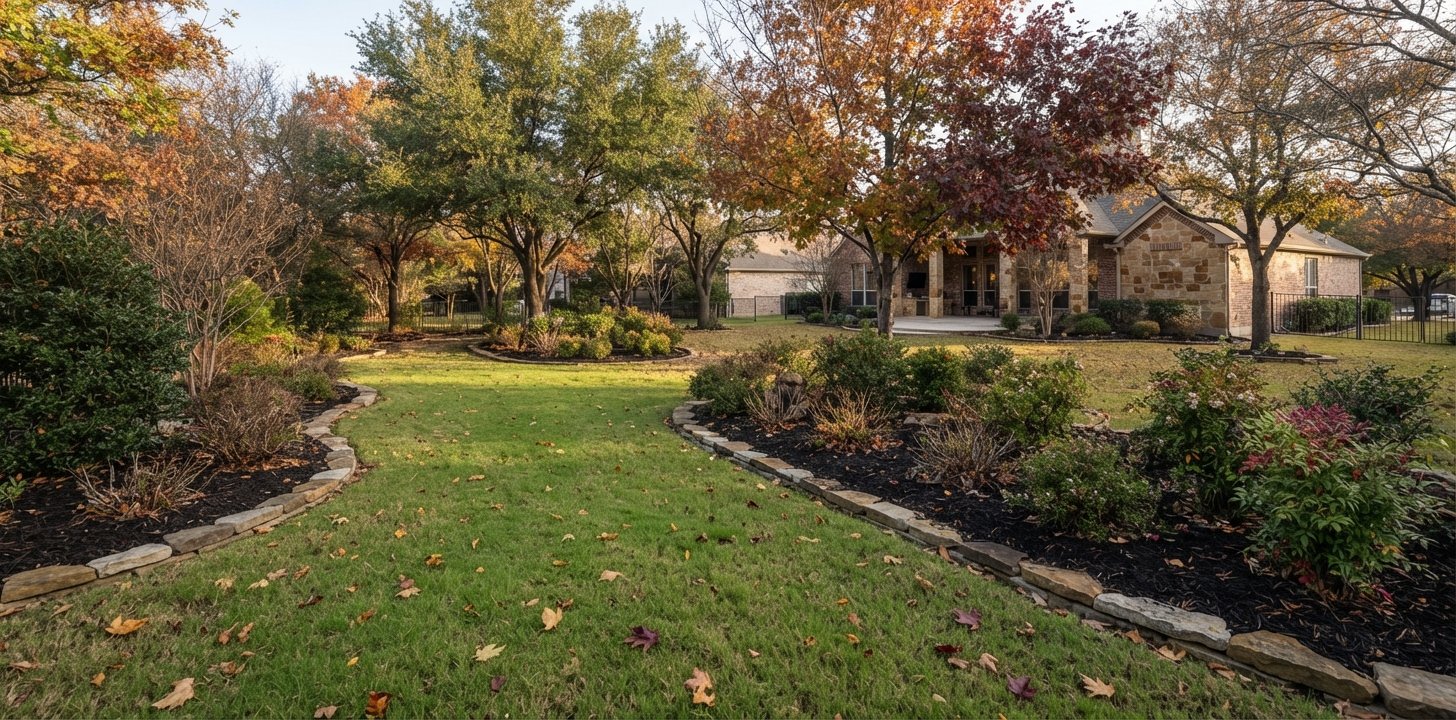
A residential landscape changes throughout the year. Temperature, rainfall, sunlight, and seasonal weather patterns all influence how grass, trees, shrubs, and garden plants grow. A yard that looks healthy in spring may require different attention during the intense summer heat or colder winter months. Understanding these changes helps homeowners maintain an attractive and functional outdoor space throughout the year.
In Little Elm, Texas, seasonal weather can bring warm springs, hot summers, occasional heavy rainfall, and cooler winters. These conditions affect soil moisture, plant growth, lawn health, and the amount of maintenance required. Homeowners who adjust their outdoor care routines according to the season can prevent common landscape problems and support healthier plant development.
A consistent approach to landscaping Little Elm properties involves more than mowing the lawn or trimming shrubs occasionally. It requires understanding what the landscape needs at different times of the year. Seasonal planning makes it easier to manage outdoor spaces, protect plants, and maintain a balanced appearance.
Why Do Seasonal Changes Matter for Residential Landscape Maintenance?
Every season creates different conditions for residential landscapes. Plants respond to changes in temperature and daylight, while lawns may experience faster growth or temporary stress depending on the weather. Soil conditions can also change as rainfall and evaporation levels fluctuate.
For example, spring often encourages new growth, making it an important period for lawn preparation and garden cleanup. Summer brings higher temperatures that can increase water requirements and put stress on grass. Fall provides an opportunity to remove damaged growth and prepare plants for colder weather. Winter generally requires less active maintenance, but it is still important to protect vulnerable plants and monitor outdoor conditions.
Ignoring these seasonal differences can lead to several problems, including:
- Weak grass growth caused by improper watering or mowing.
- Plant damage resulting from unsuitable pruning or seasonal exposure.
- Increased weed growth when garden beds are not maintained.
- Soil moisture problems caused by poor drainage or inconsistent irrigation.
A seasonal maintenance plan helps homeowners respond to these conditions before small issues become larger landscape concerns.
How Does Spring Weather Affect Your Landscape?
Spring is one of the most active periods for residential landscaping. As temperatures become warmer, grass begins growing more consistently, trees develop new leaves, and many flowering plants enter their growing season.
This is an ideal time to inspect the yard after winter and identify areas that need attention. Dead leaves, broken branches, damaged plants, and accumulated debris can affect the appearance and condition of outdoor spaces.
What Should Homeowners Do During Spring?
Spring maintenance should focus on preparing the landscape for healthy growth. Homeowners can begin by checking lawn conditions, cleaning garden beds, and inspecting irrigation equipment.
Important spring tasks include:
- Removing fallen leaves, branches, and other debris from the yard.
- Checking grass for bare patches, thinning areas, and signs of winter damage.
- Trimming damaged or dead branches from trees and shrubs when appropriate.
- Refreshing mulch around garden beds to help maintain soil moisture.
- Inspecting irrigation systems for leaks, damaged sprinkler heads, and uneven coverage.
Spring is also a useful time to review the overall landscape design. Plants that have outgrown their spaces may need selective pruning or relocation, while empty garden areas can be prepared for suitable seasonal plants.
Homeowners planning landscaping Little Elm projects should also consider how spring rainfall affects their properties. Proper drainage is important because standing water can damage grass roots and create unsuitable conditions for many plants.
Why Is Summer Lawn Care Important in Little Elm?
Summer can be particularly challenging for residential landscapes in North Texas. High temperatures, strong sunlight, and periods of limited rainfall can place considerable stress on lawns and ornamental plants.
Grass may lose moisture quickly, especially in exposed areas with direct sunlight. Some plants may also show signs of heat stress, including drooping leaves, discoloration, and slower growth.
How Can You Protect Your Landscape During Summer?
Summer maintenance should prioritize water management, appropriate mowing, and plant protection. Applying too much water is not always beneficial, as excessive moisture can contribute to root problems and other lawn issues.
Homeowners should consider the following practices:
- Water lawns according to soil conditions, grass type, and local watering guidance.
- Avoid cutting grass too short, as suitable mowing height can help protect the soil from direct sunlight.
- Monitor garden beds for dry soil and signs of plant stress.
- Remove weeds before they spread and compete with desirable plants.
- Check sprinkler coverage to identify dry areas and unnecessary water runoff.
Mulch can also help protect garden beds during hot weather. A suitable layer reduces direct sunlight exposure on the soil surface and helps slow moisture loss. However, mulch should not be piled directly against tree trunks or plant stems.
Choosing plants suited to local conditions can make summer maintenance easier. Native Texas plants and appropriate drought-tolerant varieties are often worth considering when planning new garden beds.
What Landscape Maintenance Tasks Are Important During Fall?
Fall is a transition period when temperatures gradually become cooler and many plants begin preparing for seasonal dormancy. Although some landscape growth slows down, this season provides an important opportunity to improve outdoor conditions before winter.
Leaves may accumulate across lawns, patios, and garden beds. If they are left in thick layers, they can block sunlight and contribute to unhealthy lawn conditions.
How Can Fall Preparation Improve Landscape Health?
Fall maintenance should focus on cleanup, soil protection, and preparing plants for colder weather. Homeowners can inspect their yards and address areas that may require attention before winter arrives.
| Fall maintenance task | Why it matters |
|---|---|
| Leaf removal | Prevents thick leaf layers from covering grass |
| Tree and shrub inspection | Identifies damaged or unhealthy branches |
| Mulch maintenance | Helps protect soil and plant roots |
| Irrigation inspection | Identifies leaks and prepares systems for colder conditions |
| Weed management | Reduces unwanted growth in garden beds |
| Lawn evaluation | Helps identify thinning or damaged areas |
Fall is also a suitable time to evaluate the condition of trees, shrubs, and flower beds. Removing dead plant material and maintaining suitable spacing can improve the overall appearance of the property.
For homeowners interested in landscaping Little Elm, fall is a practical season to review the yard’s long-term needs. It may be a good time to plan changes to garden layouts, improve drainage, or identify plants that are not performing well in their current locations.
How Should You Protect Your Landscape During Winter?
Winter generally brings slower plant growth and reduced maintenance requirements. However, colder temperatures and occasional freezing conditions can still affect residential landscapes.
Some plants are more sensitive to temperature changes than others. Newly planted shrubs, young trees, and certain ornamental plants may require additional protection during cold weather.
What Can Homeowners Do to Prepare for Winter?
Winter maintenance does not need to involve major landscaping projects. Instead, homeowners should focus on protecting existing plants and keeping outdoor spaces in suitable condition.
Useful winter practices include:
- Covering sensitive plants when freezing temperatures are expected, using suitable breathable materials.
- Removing broken branches and damaged plant material when necessary.
- Checking outdoor irrigation components and protecting exposed pipes where appropriate.
- Avoiding unnecessary foot traffic on dormant or stressed grass.
- Monitoring garden beds for drainage problems after heavy rainfall.
It is also important to understand that dormant grass may not look as green or actively growing as it does during warmer months. This does not automatically mean the lawn is unhealthy. Maintenance should reflect the type of grass and its natural seasonal growth pattern.
A well-planned winter routine helps protect the landscape and makes it easier to begin spring maintenance when warmer weather returns.
Which Landscape Maintenance Tasks Should Be Completed Throughout the Year?
Although each season has its own priorities, certain maintenance activities should be performed regularly. These tasks help keep residential outdoor spaces organized and reduce the chance of preventable problems.
Maintaining Lawn Health
Regular mowing, suitable watering, and occasional lawn inspections help maintain healthy grass. Mowing frequency should change according to the grass’s growth rate rather than following the same schedule throughout the year.
Managing Trees and Shrubs
Trees and shrubs contribute structure, shade, and visual interest to residential landscapes. They should be inspected regularly for damaged branches, unwanted growth, and signs of plant stress. Pruning should be based on plant type and the appropriate season.
Keeping Garden Beds Clean
Flower beds can become crowded with weeds, fallen leaves, and damaged plant material. Removing unwanted growth and maintaining suitable mulch coverage helps keep these areas neat.
Monitoring Drainage and Irrigation
Water management is important in every season. Homeowners should check whether water drains properly after rainfall and whether irrigation systems distribute water evenly. Poor drainage and overwatering can affect plant roots and lawn conditions.
A dependable landscaping Little Elm maintenance routine should account for these recurring tasks while adjusting the schedule to changing weather conditions.
How Can Seasonal Planning Reduce Landscape Maintenance Problems?
Planning ahead allows homeowners to prepare for seasonal changes instead of reacting only after problems appear. A simple maintenance calendar can help organize tasks and make outdoor care more manageable.
For example, spring can be reserved for cleanup and growth preparation, while summer can focus on moisture management and heat protection. Fall is useful for removing debris and preparing plants for colder weather. Winter can be used for inspections, light cleanup, and planning improvements for the next growing season.
Seasonal planning also helps homeowners make better decisions about plant selection and landscape design. Choosing plants that suit the property’s sunlight, soil, and water conditions can reduce unnecessary maintenance.
Professional landscaping services can also help homeowners evaluate their outdoor spaces, identify maintenance requirements, and create a practical seasonal care plan. This can be especially helpful for properties with large lawns, mature trees, complex garden beds, or drainage concerns.
Conclusion
Seasonal weather has a direct influence on how residential landscapes grow, look, and perform throughout the year. Each season creates different maintenance requirements, from spring cleanup and summer watering to fall preparation and winter plant protection.
Homeowners in Little Elm can maintain healthier outdoor spaces by adjusting their routines according to temperature, rainfall, soil conditions, and plant growth. Consistent inspections and timely maintenance also make it easier to identify problems before they affect the entire yard.
A thoughtful approach to landscaping Little Elm properties supports long-term landscape health while helping homeowners maintain attractive and functional outdoor spaces in every season.
Frequently Asked Questions
1. How Often Should a Residential Landscape Be Maintained?
The frequency depends on lawn type, plant varieties, property size, and seasonal weather. Basic tasks such as inspecting plants, checking irrigation, and removing debris should be performed regularly. Mowing and pruning schedules should change according to plant growth and seasonal requirements.
2. Which Season Is Best for Residential Landscaping Projects?
Spring and fall are often suitable for many planting and landscape improvement projects because temperatures are generally more moderate than during peak summer. However, the best timing depends on the specific plants, project type, and local weather conditions.
3. How Does Summer Heat Affect Residential Lawns?
High temperatures and strong sunlight can increase moisture loss and place stress on grass. Lawns may develop dry patches, discoloration, or slower growth. Appropriate watering, suitable mowing height, and regular inspections can help manage these conditions.
4. Why Is Fall Cleanup Important for a Healthy Landscape?
Fall cleanup removes accumulated leaves, damaged plant material, and unwanted growth. It also allows homeowners to inspect lawns and garden beds before winter. Keeping outdoor areas clean can support healthier growing conditions when spring arrives.
5. Should Landscape Maintenance Change During Winter?
Yes. Winter maintenance usually involves less mowing and active plant care, but homeowners should still monitor sensitive plants, inspect drainage, and protect exposed irrigation components when freezing weather is expected.