
Commercial buildings face different pest challenges throughout the year. Offices, restaurants, warehouses, retail stores, and other business facilities can attract rodents, cockroaches, termites, ants, and flies when food, moisture, and suitable hiding places are available. Professional pest management, including reliable termites control services, can help property owners identify potential threats and protect their buildings from costly damage.
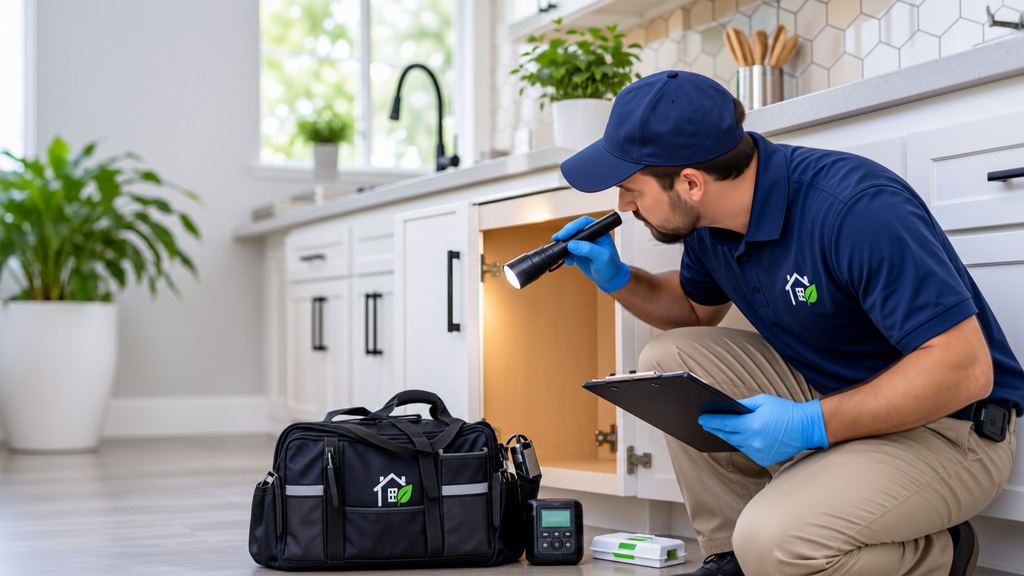
Pest problems are not always easy to recognize during their early stages. Rodents may hide behind walls, cockroaches can remain inside kitchen cabinets, and termites may damage wooden structures without showing obvious signs. Ignoring these problems can affect workplace hygiene, employee comfort, customer confidence, and building maintenance costs.
Understanding common commercial pest problems and knowing how to control them can help business owners maintain cleaner, safer, and more manageable properties.
Table of Contents
- Common Pest Problems in Commercial Buildings
- How to Identify Early Signs of Pest Infestations
- Effective Ways to Control Commercial Pest Problems
- Why Professional Pest Management Matters
- Preventive Measures for Commercial Properties
- Conclusion
- Frequently Asked Questions
1. Common Pest Problems in Commercial Buildings
Different commercial environments attract different pests depending on their activities, maintenance conditions, and surrounding areas. Here are some of the most common pest problems businesses should understand.
Rodents in Commercial Buildings
Mice and rats are common problems in warehouses, restaurants, office buildings, and storage facilities. They enter through small openings around doors, utility pipes, foundations, and loading areas.
Once inside, rodents may damage stored products, chew electrical wiring, contaminate surfaces, and build nests in hidden spaces.
Common warning signs include:
- Droppings near walls, cabinets, and storage areas.
- Scratching sounds inside ceilings and walls.
- Chewed packaging, wires, or other materials.
- Nesting materials in dark and undisturbed spaces.
- Unusual odors around enclosed areas.
How to control them: Seal possible entry points, maintain clean storage areas, secure garbage containers, and arrange professional rodent inspections. Traps and other suitable control methods should be selected according to the infestation and property conditions.
Cockroaches in Offices and Commercial Kitchens
Cockroaches prefer warm, moist environments where food and hiding places are easily available. Commercial kitchens, break rooms, bathrooms, drains, and storage cabinets can provide suitable conditions.
These insects can contaminate food preparation surfaces and create serious sanitation concerns for businesses.
Common warning signs include:
- Live cockroaches around sinks and appliances.
- Small dark droppings inside cabinets.
- Egg cases in hidden corners.
- Unpleasant odors in heavily infested areas.
How to control them: Remove food debris, clean kitchen equipment regularly, repair plumbing leaks, and store food in sealed containers. Professional treatment may be necessary when cockroach activity continues despite routine cleaning.
Termites and Structural Damage
Termites are particularly concerning because they feed on cellulose materials found in wood and other building components. Commercial properties with wooden flooring, door frames, structural materials, and moisture problems may be vulnerable to termite activity.
Unlike many visible pests, termites can remain hidden while damaging wooden structures over time.
Common warning signs include:
- Mud tubes along foundations or walls.
- Hollow sounding wooden materials.
- Discarded wings near windows and entrances.
- Damaged or blistered wooden surfaces.
- Wood that appears weakened or unusually damaged.
How to control them: Arrange a professional termite inspection, correct moisture problems, remove wood debris near the building, and consider suitable termite treatment options. Professional termites control services can help identify infestation conditions and recommend appropriate structural protection measures.
Ant Infestations in Commercial Spaces
Ants often enter commercial buildings while searching for food and water. Restaurants, cafeterias, break rooms, and food storage facilities are particularly attractive environments.
Some ant colonies establish nests near foundations, landscaping, wall openings, and other protected areas.
How to control them: Keep food sealed, clean spills quickly, remove unnecessary clutter, and seal cracks around windows and doors. Identifying the ant species and locating its entry route can help determine the appropriate treatment.
Flies and Other Flying Insects
Flies are common around garbage storage areas, drains, food preparation spaces, and poorly maintained waste facilities.
Their presence can create an unpleasant experience for customers and indicate underlying sanitation or drainage problems.
How to control them: Keep waste containers covered, clean drains, remove standing water, and install suitable screens where necessary. Persistent fly activity should be investigated to identify the breeding source.
2. How to Identify Early Signs of Pest Infestations
Recognizing pest activity early makes commercial pest management easier and can reduce the need for extensive corrective work.
Property managers and employees should pay attention to changes in the building’s condition.
| Pest | Early Warning Signs | Areas to Check |
| Rodents | Droppings and gnaw marks | Storage rooms and basements |
| Cockroaches | Egg cases and dark droppings | Kitchens and bathrooms |
| Termites | Mud tubes and damaged wood | Foundations and wooden structures |
| Ants | Visible trails and small nests | Windows and food storage areas |
| Flies | Repeated activity near waste | Drains and garbage rooms |
Regular inspections should cover both visible and hidden areas. Checking loading docks, utility spaces, storage rooms, and building entrances can help reveal pest activity before it spreads.
3. Effective Ways to Control Commercial Pest Problems
Successful pest management requires more than treating insects or rodents after they become noticeable. Businesses should focus on identifying the source of the problem and reducing the conditions that allow pests to survive.
Maintain Proper Sanitation
Cleanliness is one of the most important parts of commercial pest prevention.
Businesses should:
- Clean food preparation areas after daily operations.
- Remove garbage regularly.
- Avoid leaving food uncovered overnight.
- Clean beneath refrigerators and commercial equipment.
- Keep storage areas organized.
Seal Entry Points
Small openings can provide access to rodents, ants, cockroaches, and other pests.
Inspect the building for gaps around utility pipes, damaged door seals, foundation cracks, and broken window screens. Repairing these openings can reduce opportunities for pests to enter.
Manage Moisture and Drainage
Leaking pipes, blocked drains, condensation, and standing water can attract different pests.
Schedule plumbing maintenance, repair leaks promptly, and ensure drainage systems work properly. These improvements can make the building less attractive to moisture dependent pests and termites.
Use Integrated Pest Management
Integrated Pest Management, commonly called IPM, combines inspection, monitoring, sanitation, exclusion, and targeted treatment.
Instead of relying only on pesticides, an IPM program addresses the environmental conditions that support pest activity.
This approach helps commercial property managers make informed decisions while reducing unnecessary pesticide applications.
4. Why Professional Pest Management Matters
Some pest problems can be addressed through routine cleaning and basic maintenance. However, established infestations often require professional identification and treatment.
Experienced pest management professionals can inspect difficult to access areas, identify pest species, locate entry points, and recommend suitable control strategies.
For commercial properties, professional assistance can provide several advantages:
- Accurate pest identification: Different pests require different control methods.
- Targeted treatments: Professionals can recommend appropriate solutions based on inspection findings.
- Structural protection: Early termite detection can help prevent further damage.
- Ongoing monitoring: Follow up inspections help determine whether control measures are working.
- Better maintenance planning: Inspection reports help property managers identify recurring problems.
When wooden structures show signs of termite activity, professional termites control services can help determine the extent of the problem and identify suitable treatment options.
Businesses should always select appropriately licensed and qualified pest management providers and ensure that treatments follow product label instructions and applicable regulations.
5. Preventive Measures for Commercial Properties
Preventing pest infestations requires cooperation between property owners, employees, cleaning teams, and maintenance professionals.
The following checklist can help businesses maintain better pest prevention practices.
Daily Maintenance
- Clean workstations and shared kitchen areas.
- Remove food waste and empty garbage containers.
- Wipe spills and avoid leaving standing water.
- Keep food and supplies properly stored.
Weekly Maintenance
- Inspect storage rooms and cabinets.
- Check for droppings, damaged packaging, and unusual odors.
- Clean areas beneath commercial equipment.
- Examine waste disposal areas.
Regular Professional Maintenance
- Schedule property inspections.
- Monitor termite and rodent activity.
- Repair structural openings and moisture problems.
- Review previous pest management reports.
- Update prevention strategies when new risks appear.
A consistent maintenance routine can help businesses identify potential pest problems before they develop into larger infestations.
Conclusion
Pest problems in commercial buildings can affect property conditions, workplace hygiene, customer confidence, and business operations. Rodents, cockroaches, termites, ants, and flies each create different challenges that require appropriate identification and control methods.
The most effective approach combines regular inspections, proper sanitation, structural maintenance, moisture management, and professional pest management when needed.
By addressing early warning signs and maintaining a preventive strategy, commercial property owners can reduce infestation risks and protect their buildings over the long term.
Frequently Asked Questions
1. What are the most common pests found in commercial buildings?
The most common commercial pests include mice, rats, cockroaches, termites, ants, flies, and spiders. Their presence depends on the building’s environment, sanitation practices, and surrounding conditions.
2. Why are termites a serious concern for commercial properties?
Termites feed on cellulose materials and can damage wooden structures, flooring, door frames, and other building components. Undetected activity may lead to expensive repairs.
3. How can businesses prevent rodent infestations?
Businesses can reduce rodent risks by sealing entry points, securing garbage containers, maintaining clean storage areas, removing food waste, and arranging regular professional inspections.
4. When should a commercial building receive professional pest treatment?
Professional treatment may be necessary when employees notice recurring pest activity, visible infestation signs, structural damage, or problems that continue despite preventive maintenance.
5. What is Integrated Pest Management in commercial buildings?
Integrated Pest Management is a preventive approach that combines pest identification, monitoring, sanitation, exclusion, and appropriate treatments to manage pest activity effectively.
6. Are regular pest inspections necessary for commercial properties?
Yes. Regular inspections help identify early warning signs, detect entry points, monitor vulnerable areas, and determine whether existing prevention measures are working.
 bill.henry