
Seasonal changes can affect pest activity in residential properties, creating new challenges for homeowners throughout the year. Temperature fluctuations, rainfall, humidity, and changing food availability can encourage insects and rodents to enter homes in search of shelter and resources. Professional pest management helps identify these patterns before infestations become difficult to control. For example, residential moth control services in Illinois can help homeowners address moth activity in closets, storage areas, and pantries through careful inspections and targeted prevention strategies.
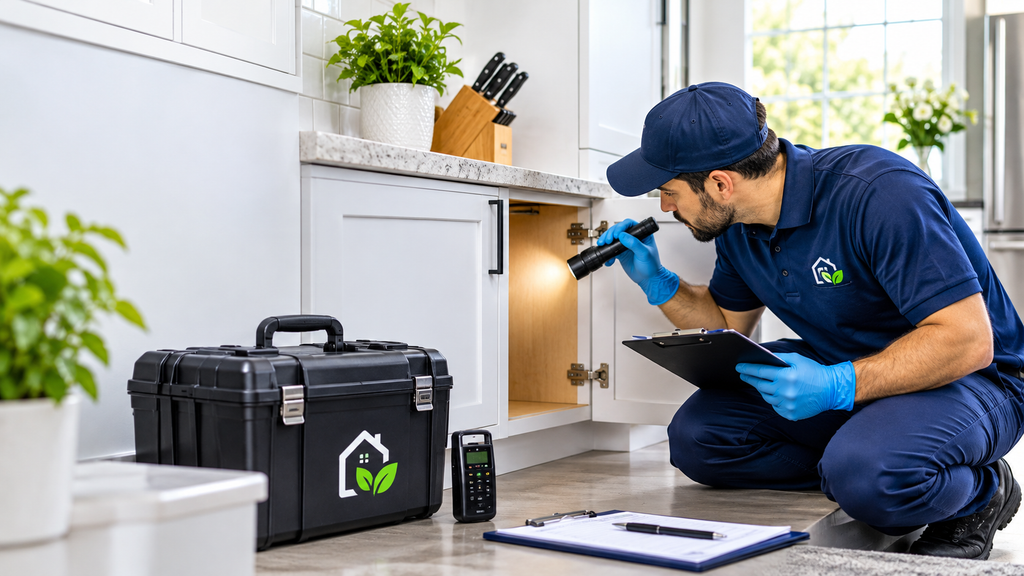
Local pest control professionals understand that different pests become active at different times of the year. By recognizing seasonal behavior, identifying entry points, and recommending suitable preventive measures, they help homeowners maintain healthier and more comfortable living environments.
Why Seasonal Pest Infestations Occur
Seasonal pest activity is closely connected to environmental conditions. Many insects respond to temperature, moisture, and changes in their natural food sources. Rodents may also move indoors when outdoor conditions become less favorable.
Several factors contribute to seasonal infestations:
- Temperature changes: Cold weather can encourage rodents and certain insects to seek indoor shelter.
- Increased humidity: Moist conditions may attract moisture-loving pests, including certain insects.
- Food availability: Changes in outdoor food sources can encourage pests to explore kitchens, pantries, and storage spaces.
- Rainfall: Heavy rain can disturb outdoor nesting areas and increase pest movement around buildings.
- Breeding cycles: Some insects become more noticeable during particular periods of their life cycle.
Understanding these conditions allows pest control professionals to recommend preventive measures based on the property’s location and the pests involved.
How Local Pest Control Professionals Identify Seasonal Pests
Identifying the pest correctly is one of the most important steps in managing an infestation. Different insects and rodents require different control methods, so professionals begin by examining the evidence rather than immediately selecting a treatment.
1. Inspecting Common Pest Hiding Places
Technicians examine areas where pests commonly live, feed, or reproduce. These locations may include:
- Kitchen cabinets and pantry shelves
- Basement corners and utility rooms
- Closets and clothing storage areas
- Attics and crawl spaces
- Window frames and door openings
- Areas around plumbing and drainage systems
For example, finding small holes in stored clothing, larvae, or webbing may indicate clothes moth activity. Small insects or larvae around dry food packaging may suggest a pantry moth problem.
2. Looking for Signs of Pest Activity
Professionals evaluate visible evidence to understand the type and extent of an infestation.
| Pest | Common Signs | Areas to Inspect |
| Moths | Larvae, webbing, damaged fabrics | Closets and pantries |
| Ants | Trails and small entry openings | Kitchens and foundations |
| Cockroaches | Droppings and shed skins | Kitchens and bathrooms |
| Rodents | Droppings, gnaw marks, scratching sounds | Attics and basements |
| Bed bugs | Dark spotting and shed skins | Mattresses and furniture |
| Spiders | Webs and insect activity | Corners and storage areas |
Recognizing these signs helps technicians distinguish between different pest problems and determine the next appropriate steps.
3. Evaluating Seasonal Patterns
Pest professionals also consider the time of year and surrounding environmental conditions. For instance, increased rodent activity during colder months may indicate a need to inspect exterior gaps, foundation openings, and garage doors.
Similarly, moth activity may increase when infested food products, natural-fiber fabrics, or undisturbed storage areas provide suitable conditions for development.
Common Seasonal Pests in Illinois
Illinois experiences changing temperatures throughout the year, which can influence pest activity in residential and commercial properties.
Spring: Ants and Other Crawling Insects
As temperatures rise, ants and other insects become more active. They may enter homes while searching for food, water, and suitable nesting locations.
Homeowners can reduce attraction by cleaning food spills, storing groceries properly, and sealing small openings around windows and doors.
Summer: Wasps, Ticks, and Mosquitoes
Warm weather creates favorable conditions for several outdoor pests. Wasps may build nests around rooflines and exterior structures, while ticks and mosquitoes can become more noticeable in yards and landscaped areas.
Removing standing water, maintaining vegetation, and arranging professional inspections when necessary can help reduce pest activity.
Fall: Rodents and Pantry Pests
As outdoor temperatures begin to decline, mice and rats may search for warmer indoor environments. Pantry pests can also become a concern when infested food products are stored in kitchens and cupboards.
Sealing entry points and inspecting stored food are important preventive steps.
Winter: Indoor Insects and Rodents
Although outdoor insect activity may decrease during colder months, indoor infestations can continue. Heated homes provide favorable conditions for certain pests, especially when food and shelter are readily available.
Moths, cockroaches, and rodents may remain active indoors if suitable conditions exist.
How Professionals Prevent Seasonal Infestations
Preventive pest management focuses on reducing the conditions that allow pests to enter, survive, and reproduce.
Sealing Entry Points
Small openings around pipes, windows, doors, foundations, and utility lines can provide access for pests. Professionals identify vulnerable areas and recommend suitable exclusion methods, such as weatherstripping, door sweeps, and appropriate sealing materials.
Improving Food Storage Practices
Food availability is a major reason pests remain inside residential properties. Homeowners should:
- Store dry food in airtight containers.
- Clean crumbs and food spills promptly.
- Avoid leaving pet food exposed overnight.
- Inspect groceries and stored products for signs of insects.
- Dispose of infested food items appropriately.
These practices are particularly useful for preventing pantry moth and cockroach problems.
Reducing Indoor Moisture
Leaking pipes, damp basements, and poor ventilation can create conditions that support certain pest populations.
Repairing plumbing leaks, improving ventilation, and addressing water accumulation can make indoor environments less attractive to moisture-associated pests.
Maintaining Clean Storage Areas
Closets, attics, basements, and storage rooms should be inspected regularly. Clothing should be cleaned before long-term storage, while natural-fiber fabrics should be kept in clean, suitable storage containers.
For homes experiencing repeated moth activity, professional inspection can help identify the source and determine whether targeted moth treatment is necessary.
Scheduling Preventive Inspections
Regular inspections allow pest professionals to identify early warning signs and recommend corrective measures before a minor issue develops into a larger infestation.
An inspection schedule may vary depending on property conditions, pest history, and seasonal risks.
Why Local Pest Control Services Matter
Hiring professionals familiar with regional pest activity offers several advantages. Local technicians can consider weather patterns, property conditions, and common pest problems when developing a management plan.
Some important benefits include:
- Regional pest knowledge: Understanding which pests commonly affect homes in the area.
- Accurate identification: Distinguishing between insects that may look similar but require different control methods.
- Targeted treatments: Selecting appropriate solutions based on the pest species and infestation location.
- Preventive recommendations: Identifying conditions that may contribute to recurring pest problems.
- Ongoing monitoring: Checking whether previous control measures have reduced pest activity.
For example, homeowners dealing with recurring moth problems may benefit from residential moth control services in Illinois that focus on locating the source of the infestation rather than simply treating visible adult moths.
A professional approach also considers integrated pest management (IPM), which combines inspection, sanitation, exclusion, monitoring, and carefully selected treatments when necessary.
When to Contact a Pest Control Professional
Not every pest sighting requires professional treatment. However, certain warning signs indicate that an inspection may be beneficial.
Consider contacting a pest management professional when:
- Pests continue appearing despite regular cleaning and prevention.
- Rodent droppings or gnaw marks appear in multiple areas.
- Moths repeatedly emerge from closets, carpets, or food-storage spaces.
- Cockroach activity increases around kitchens and bathrooms.
- Pest damage appears on clothing, furniture, or stored food.
- Previous treatment methods have not resolved the problem.
Early identification can help prevent pest populations from spreading and reduce the possibility of additional property damage.
Frequently Asked Questions
1. Why do pest infestations increase during seasonal changes?
Temperature, humidity, rainfall, and food availability influence pest movement, breeding, and survival.
2. Which pests commonly enter Illinois homes during fall?
Mice, rats, pantry pests, and certain insects may become more noticeable as outdoor conditions change.
3. How can homeowners prevent moth infestations?
Keep closets and storage spaces clean, inspect natural-fiber clothing, and store susceptible fabrics in tightly sealed containers.
4. How often should a home receive a pest inspection?
Inspection frequency depends on the property’s condition, previous infestations, and local pest activity.
5. Are professional pest control treatments always necessary?
No. Cleaning, proper food storage, moisture reduction, and sealing entry points may resolve or prevent some pest problems without chemical treatments.
6. Why is professional pest identification important?
Different pests have different feeding habits and life cycles, so correct identification helps determine the most appropriate management strategy.
Conclusion
Seasonal pest infestations can affect residential properties throughout the year, but understanding pest behavior makes prevention more manageable. Local pest control professionals help homeowners identify early warning signs, locate infestation sources, and apply suitable prevention strategies based on property conditions and seasonal risks.
From rodent exclusion and ant prevention to residential moth control services in Illinois, a well-planned pest management approach focuses on addressing the underlying causes of infestations rather than relying only on temporary solutions. Regular inspections, proper sanitation, and timely professional guidance can help maintain cleaner, more comfortable homes throughout every season.
 aneetta.john
 glitz.windows
 aliza.beth