
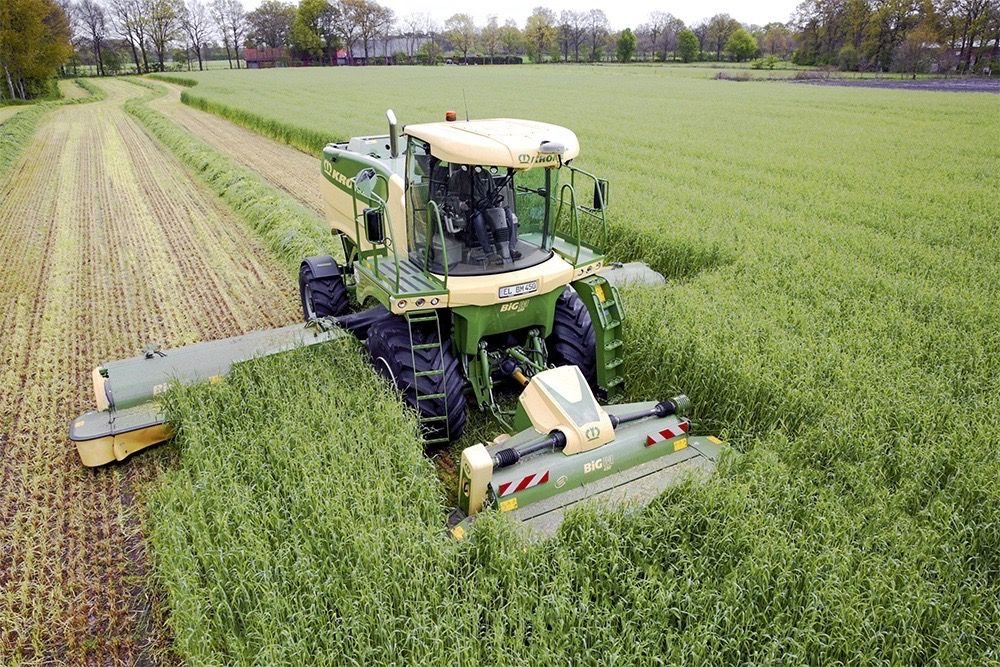
Agriculture is very demanding. In order to be profitable, a farm must operate with efficiency. Modern farms make use of many machines such as tractors, combine harvesters, grain dryers and backup generators. In order to allow these machines to function efficiently, high-quality fuel must be used. Although it may seem simple to source fuel for a farm, the process of getting fuel to every corner of a large agricultural site can be very complicated. If a farm uses unreliable suppliers, or manages fuel delivery internally, it can be a big risk for modern agricultural businesses. By working with a professional fuel delivery service, you are ensuring security, sustainability and profitability within your business.
Minimising Harvest Downtime with Scheduled Drops and Rapid Emergency Response
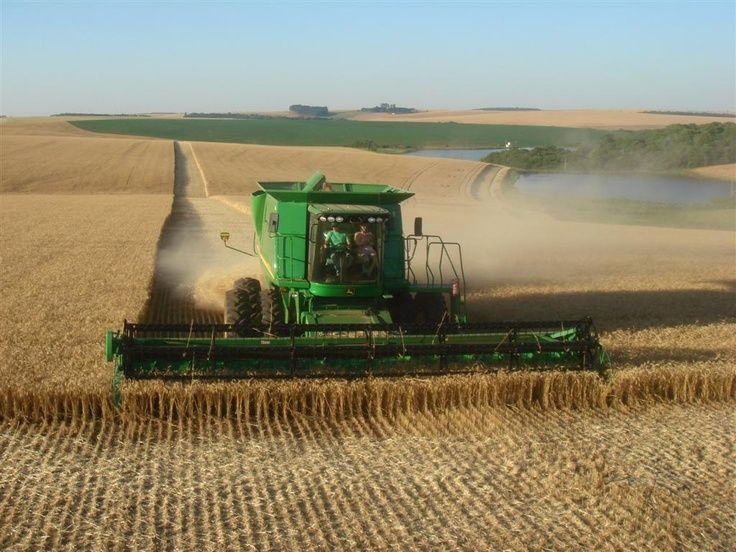
Time is everything in farming. During busy times of the season, farmers need to work as efficiently as possible. If the weather is good and the right moisture content is in the crops, machinery will be running constantly, often 24/7. If the fuel tank runs out at these times, it can cause a huge problem. Crops can be left dangerously exposed to sudden changes in weather. This causes huge losses, with thousands of man-hours wasted and loss in yield.
Professional fuel suppliers understand the cyclical and urgent nature of farming. They offer automated, scheduled drops based on historic usage or smart-tank telemetry, ensuring that bulk farm fuel is replenished before the gauge ever hits empty. Furthermore, reputable agricultural fuel providers maintain robust emergency response protocols. If an unseasonable dry spell leads to a sudden surge in harvesting activity, a professional supplier can dispatch an emergency top-up, minimizing downtime and keeping the tractors in the field where they belong.
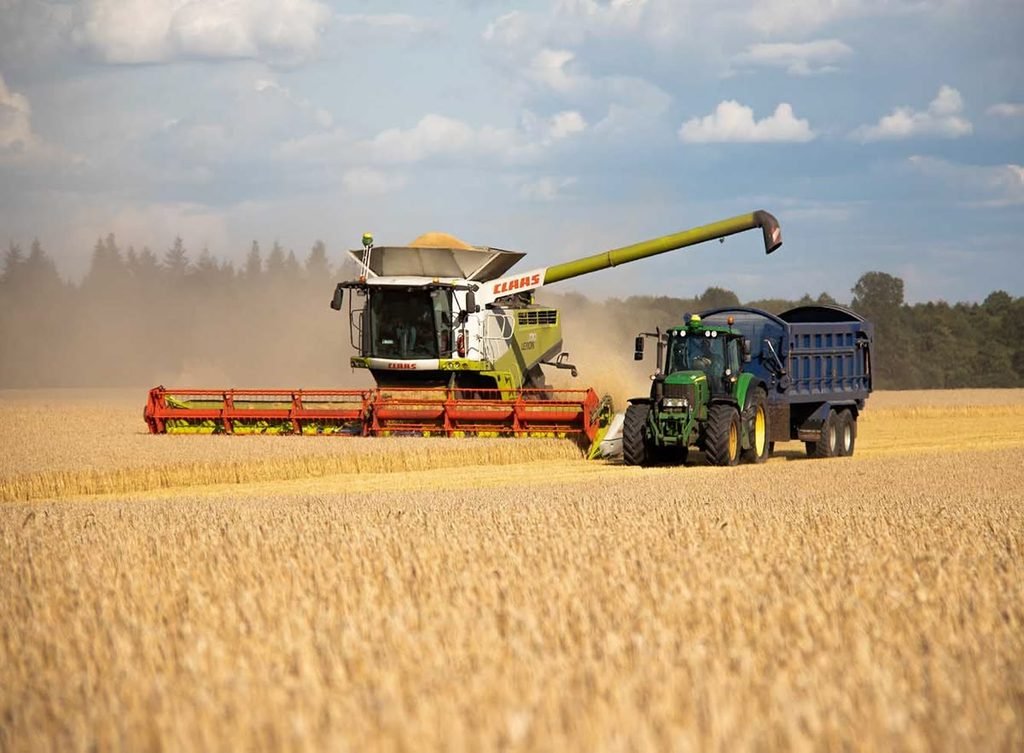
Agricultural sites can be very difficult for standard delivery equipment to reach. They are often at the end of a narrow country lane and can be accessed by poor-quality tracks, fragile bridges or muddy access points. Fuel tanks of this type would be an issue. However, fuel distribution companies deliver fuel to farms using specialist vehicles. Using a small tank, multi-axle vehicles, and long heavy-duty pipes, fuel can be efficiently transported to very remote storage tanks. The drivers are very familiar with the local area and have specialist training to drive within rural areas. Therefore, there are no issues in transporting the fuel to the storage site. The transport of livestock and local traffic is not disrupted.
Protecting High-Tech Engine Systems Through Clean, Contamination-Free Fuel Handling
Modern agricultural machinery includes very advanced engines which meet the strict Stage V emission standards. These engines include high-pressure common rail injection systems, meaning they are extremely sensitive to contamination, water and particulate matter in the fuel. Fuel is supplied by professional suppliers to ensure that it has been refined, stored and transported in the cleanest conditions possible. Whether using conventional red diesel fuel for off-road equipment or reducing your carbon footprint with renewable fuels, quality is key. Forward-thinking farms are increasingly partnering with a dedicated HVO Fuel Supplier to source Hydrotreated Vegetable Oil. HVO Fuel is a premium, synthetic, drop-in alternative to diesel that significantly reduces greenhouse gas emissions and burns exceptionally clean, extending the lifespan of sensitive engine components. Additionally, professional suppliers provide bespoke farm fuel additives. These essential chemical treatments prevent the build-up of diesel bug (microbial contamination) in bulk storage, improve combustion efficiency, and prevent fuel from waxing and clogging filters during freezing winter mornings.
Eliminating Manual Fuel Runs and Bulk Storage Headaches Across Large Rural Acreages

Managing fuel logistics manually is an immense drain on farm labor. Sending farmhands off-site with mobile bowsers to queue at commercial fuel depots or local stations is an incredibly inefficient use of time, pulling valuable personnel away from core agricultural duties. On large rural acreages, this logistical burden compounds quickly.
A professional delivery of bulk fuel to farms allows complete control of energy requirements. As the fuel is delivered directly to the main store on site, there is no need for manual delivery of fuel. This means that those working on the farm can dedicate time to managing crops, animals and maintaining machinery. This method of fuel delivery also means that less wear and tear is put on vehicles on site. Controlling fuel in this way provides predictable local control of energy supply.
Improving Cash Flow and Budgeting with Predictable Bulk Ordering and Market Insights
Fuel prices are very volatile on a global scale. Fuel prices have been known to change due to fuel supply issues, exchange rates and political situations. An unexpected rise in fuel prices can therefore cause large losses in profit for farms. If fuel is purchased in small amounts, agribusinesses face large risks.
There are many cost advantages to using professional fuel supply services. If fuel is purchased in bulk volumes, then money can be saved. Working with a reputable supplier in the agricultural sector can also be very advantageous. As a supplier will know what is best in the market, farm managers can be advised on the best time to order fuel. Fixed costs and/or scheduled payments can be provided by suppliers. This means that costs can be easily predicted within farms. Therefore, budgets can be accurately set up in advance for energy costs.
Meeting Strict Environmental and Bunded Storage Regulations with Safe Delivery Practices
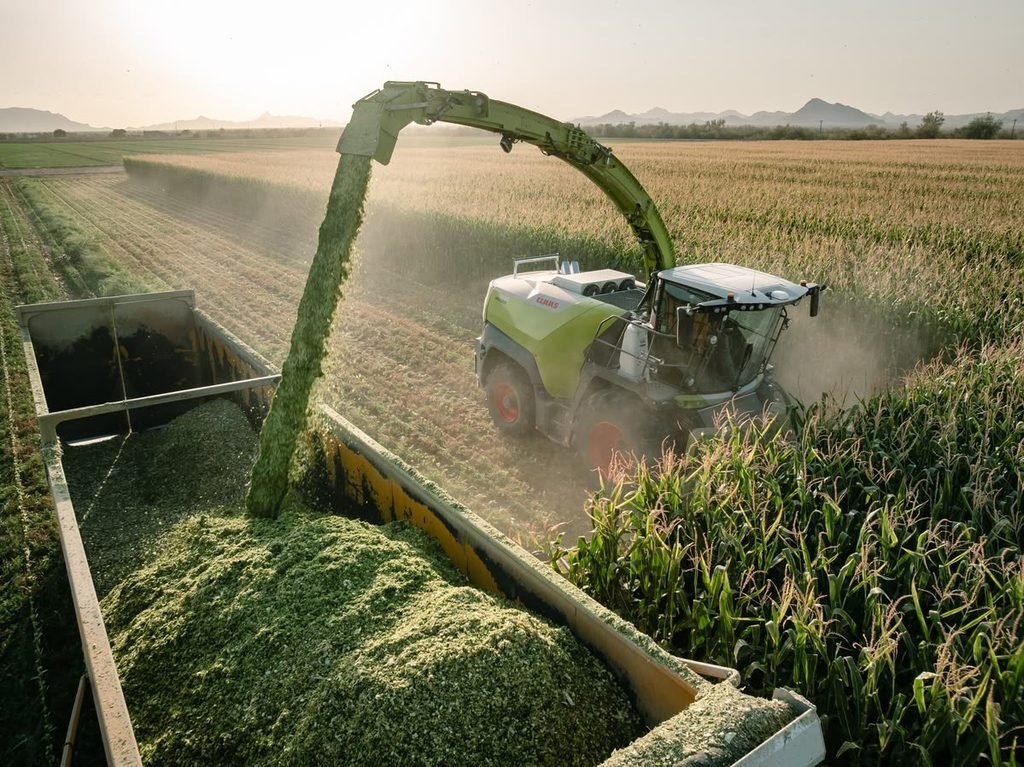
Agricultural fuels must be stored and transported carefully in accordance with environmental regulations. If a spill occurs on site, it may contaminate groundwater and local waterways, causing severe environmental damage. This may lead to heavy fines and the removal of key farming licences. To comply with regulations at your agricultural site, in addition to having double-skinned (bunded) tanks for storage, delivery must be perfect. Professional drivers have been trained in environmental safety, preventing spills and containing any incidents. They use precision pumps with automatic cut-off valves to avoid overfilling the tank. Before delivering fuel, drivers will visually inspect the tanks to check for signs of wear and tear, corrosion and compliance issues. Using a qualified professional means that the risk of environmental damage in relation to fuel storage is reduced. The storage and transfer of fuel at the site has therefore been completed in line with the strict legal and environmental requirements.
 david.miller
 glitz.windows
 aliza.beth