
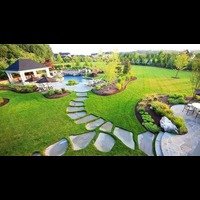
A well-maintained outdoor space can make a property more inviting, comfortable, and enjoyable throughout the year. Whether you have a small backyard, a spacious lawn, or a garden surrounding your home, thoughtful planning can help you create an area that looks attractive without requiring constant attention. The key is choosing suitable plants, preparing the soil, managing water efficiently, and keeping essential maintenance supplies within reach.
Having the right Lawn and Garden supplies makes outdoor projects easier to organize and maintain. From basic gardening tools to watering equipment and lawn care products, selecting items according to your property’s needs can help you complete routine tasks more efficiently and maintain a healthier outdoor environment.
Start With a Practical Outdoor Space Plan
Before purchasing plants, tools, or lawn care products, consider how you want to use your outdoor space. A garden designed for relaxation may need different features than an area intended for growing vegetables, entertaining guests, or providing room for children and pets.
Begin by dividing the property into functional areas. You might have a lawn for open space, planting beds for flowers and shrubs, a small vegetable garden, and a pathway connecting different sections. A clear layout helps prevent overcrowding and makes routine maintenance more manageable.
During the planning stage, consider:
- Available sunlight: Observe which areas receive full sun, partial shade, or limited direct sunlight.
- Soil conditions: Check whether the ground is sandy, clay-heavy, compacted, or rich in organic matter.
- Water access: Identify convenient locations for hoses, irrigation equipment, and outdoor water connections.
- Drainage: Look for areas where water collects after rainfall.
- Maintenance time: Choose landscaping and planting options that fit the time you can realistically dedicate to upkeep.
Prepare Healthy Soil Before Planting
Good soil preparation provides a strong foundation for lawns, flower beds, shrubs, and vegetable gardens. Plants depend on soil for water, nutrients, and physical support, so understanding its condition before planting can prevent several common problems.
Start by removing unwanted weeds, stones, and debris from the planting area. Loosen compacted soil where appropriate and examine its texture and drainage. A basic soil test can help identify nutrient levels and pH, making it easier to decide whether amendments are necessary.
Use Compost and Organic Matter Where Needed
Compost and other suitable organic materials can improve soil structure and support healthy growing conditions. The right amendment depends on the existing soil and the plants you intend to grow. Avoid adding materials without understanding their purpose, as excessive amendments can create imbalances.
Apply Mulch Around Plants
Mulch helps cover exposed soil, reduce moisture loss, and limit weed growth. Organic mulch materials, such as shredded bark or wood chips, can also contribute organic matter as they break down.
Spread mulch in an even layer around planting beds while leaving space around plant stems and tree trunks. Piling mulch directly against stems can contribute to moisture-related problems and should be avoided.
Choose Plants That Match Your Climate and Space
One of the easiest ways to reduce garden maintenance is to select plants suited to the local climate and growing conditions. Plants that receive the appropriate sunlight, water, and soil conditions generally require fewer corrective interventions.
Consider the following planting options when designing different parts of your outdoor space:
- Native plants: Species adapted to local conditions can be useful choices for landscaping and wildlife-friendly gardens.
- Perennials: These plants return over multiple growing seasons and can provide lasting structure to planting beds.
- Ground covers: Suitable ground-cover plants can fill open spaces and help reduce exposed soil.
- Seasonal flowers: Annual flowers can add changing colors and allow you to refresh garden designs throughout the year.
- Shrubs: Properly selected shrubs can provide structure, privacy, and visual interest.
Before planting, check the mature size of each species. Leaving enough room for growth reduces overcrowding and makes pruning, watering, and general care easier.
Maintain a Healthy Lawn With Consistent Care
A healthy lawn requires regular attention, but a consistent maintenance routine can prevent many common problems. Grass type, weather, soil conditions, and foot traffic all influence the care a lawn needs.
Mow at the Appropriate Height
Cutting grass too short can stress the lawn and expose more soil to sunlight. Follow the recommended mowing height for your grass variety and avoid removing too much growth in a single session. Sharp mower blades also help produce cleaner cuts than dull blades.
Water According to Weather and Soil Conditions
Watering requirements change with rainfall, temperature, soil type, and grass growth. Instead of following a rigid daily schedule, check the condition of the lawn and adjust watering accordingly.
When irrigation is necessary, watering deeply and less frequently is generally preferable to frequent shallow watering. Early morning is often a practical time because it allows moisture to reach the soil before the warmer part of the day.
Address Weeds Before They Spread
Weeds compete with grass and garden plants for available resources. Regular inspection makes it easier to identify unwanted growth before it becomes widespread. Depending on the situation, hand removal, improved lawn density, or an appropriate weed-control product may be useful.
Always follow product directions and verify that a treatment is suitable for the grass, plants, and surrounding area.
Make Garden Watering More Efficient
Water management is an important part of maintaining an attractive outdoor space. Poor watering practices can waste water, encourage plant stress, and contribute to drainage issues. A well-planned watering setup makes routine care more convenient.
Different watering supplies serve different purposes:
- Garden hoses: Useful for watering containers, small planting beds, and areas that are difficult to reach with fixed irrigation.
- Sprinklers: Suitable for distributing water across lawn areas, depending on their coverage pattern.
- Drip irrigation: Delivers water near plant roots and can help reduce unnecessary watering of surrounding areas.
- Hose connectors and fittings: Help connect hoses, watering devices, and compatible accessories.
- Watering cans: Provide controlled watering for containers, seedlings, and smaller plants.
Inspect hoses and connections periodically for leaks. Position sprinklers carefully to avoid unnecessary watering of sidewalks, driveways, and buildings. Adjust irrigation as rainfall and seasonal temperatures change.
Organize Your Garden for Easier Maintenance
A well-organized garden is easier to care for and more comfortable to use. Clear pathways, accessible planting beds, and suitable storage areas can reduce the time spent moving equipment and cleaning up after outdoor tasks.
Consider these practical improvements:
- Create defined borders around planting beds to separate them from lawn areas.
- Use stepping stones or garden paths to reduce foot traffic through planted sections.
- Keep frequently used tools in an accessible, dry storage location.
- Group plants with similar sunlight and watering requirements.
- Leave enough working space around shrubs and larger plants for pruning and cleanup.
Container gardening is another useful option for patios, balconies, and smaller outdoor areas. Containers can make it easier to manage individual plants and rearrange the layout when needed. Select containers with appropriate drainage and a size that suits the plants being grown.
Keep Outdoor Areas Clean and Functional
Outdoor maintenance includes more than mowing grass and caring for plants. Walkways, patios, fences, outdoor furniture, and other surfaces also need regular attention. Dirt, leaves, standing water, and accumulated debris can make these areas less attractive and may create maintenance concerns.
Make outdoor cleanup part of your regular routine. Remove fallen leaves, clear drainage openings, inspect outdoor fixtures, and check for loose or damaged components. If your property includes a swimming pool, maintain a separate cleaning and water-care routine using products and equipment appropriate for the pool system.
Keep cleaning materials and outdoor equipment organized so they are easy to access when needed. Always follow product instructions, particularly when handling cleaning chemicals or equipment that requires protective gear.
Follow a Seasonal Lawn and Garden Maintenance Schedule
Outdoor maintenance becomes easier when tasks are spread across the year. Seasonal conditions influence plant growth, watering requirements, lawn care, and the types of repairs that may be necessary.
Spring: Prepare for New Growth
Inspect the lawn and garden after winter conditions have passed. Remove accumulated debris, prepare planting beds, check irrigation equipment, and identify areas that need reseeding or new plants. Spring is also a useful time to review garden tools and replace worn equipment.
Summer: Manage Heat and Water
During warmer periods, pay close attention to soil moisture and plant stress. Adjust watering schedules according to weather, maintain suitable mowing heights, and monitor plants for weeds and pests. Mulch can help reduce moisture loss in garden beds.
Fall: Clean Up and Prepare
Remove fallen leaves from lawn areas, clean garden beds, and inspect outdoor equipment before storing it. Depending on the grass type and local climate, fall may also be suitable for overseeding or other lawn improvement work.
Winter: Protect and Maintain
Use quieter growing periods to inspect fences, garden structures, tools, and irrigation connections. Protect plants that are sensitive to local winter conditions and avoid unnecessary traffic on vulnerable or dormant lawn areas.
Build a Practical Lawn and Garden Supply Checklist
Keeping essential supplies available can make outdoor projects easier to complete. You do not need every possible tool or accessory. Start with the equipment that matches your property and add specialized items when a particular task requires them.
A basic checklist may include:
- Hand trowel, garden fork, and pruning shears.
- Rake, shovel, and other basic yard tools.
- Garden hose, connectors, and watering accessories.
- Suitable soil amendments and mulch.
- Grass seed and lawn care products appropriate for your grass type.
- Plant containers and gardening supplies.
- Outdoor cleaning and maintenance equipment.
- Protective gloves, eye protection, and other task-appropriate safety gear.
Before buying replacement items, inspect the equipment you already own. Check measurements, connections, and compatibility to avoid purchasing accessories that do not fit your existing setup.
Find Practical Outdoor Maintenance Solutions at NYLA Worldwide
Creating and maintaining an attractive outdoor space is easier when projects are planned around the property’s actual needs. From preparing soil and selecting suitable plants to managing irrigation and keeping outdoor areas clean, consistent care helps protect the time and effort invested in your lawn and garden.
Explore the Lawn and Garden selection at NYLA Worldwide when planning your next outdoor project. Choosing appropriate supplies for planting, watering, lawn care, and general property maintenance can help you build a more organized routine and keep your outdoor spaces ready to enjoy throughout the year.
 addams.will