
Producing high quality gears requires more than accurate machine settings. Every stage of manufacturing, from initial tooth formation to final finishing, contributes to the performance and reliability of the finished component. Cutting tool selection is especially important because it directly influences tooth geometry, surface condition, and dimensional accuracy.
In industries such as automotive manufacturing, heavy engineering, and industrial machinery, even small variations in gear teeth can affect how components operate together. Understanding the purpose of different cutting and finishing tools helps manufacturers achieve consistent results and maintain production standards.
Understanding the Gear Shaping Process
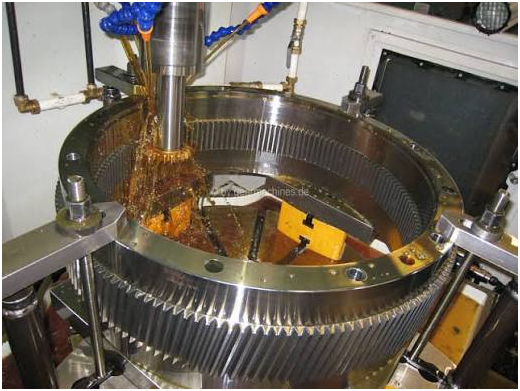
Gear shaping is a machining method used to create accurate teeth on gear blanks. During the process, the cutting tool moves back and forth while maintaining a coordinated relationship with the workpiece. This movement gradually produces the required tooth profile.
The process is suitable for manufacturing both internal and external gears, depending on the machine setup and tool design. It is particularly useful for components where other machining methods may be difficult to apply.
A suitable gear shaper cutter must match the specifications of the gear being manufactured. Important considerations include module, pressure angle, tooth profile, material, and required dimensional accuracy. Selecting the correct tool helps achieve consistent tooth geometry and supports dependable machining results.
Why Gear Tooth Finishing Matters
After the initial cutting operation, some gears require additional finishing to achieve the required surface quality and dimensional accuracy. Finishing operations help improve tooth contact and reduce irregularities that may affect gear performance.
Gear shaving is one method used for this purpose. It removes a small amount of material from the tooth surface using a specialized cutting action. The process can improve the finish and accuracy of suitable gear components before subsequent operations such as heat treatment, depending on the manufacturing sequence.
Manufacturers use gear shaving cutters when the application and production process call for this type of finishing. Their design must correspond with the gear specifications to produce the intended results.
Factors That Influence Tool Selection
Choosing cutting and finishing tools requires a clear understanding of the component and its manufacturing requirements. Several factors should be reviewed before making a selection.
Gear Specifications: Module, pressure angle, tooth count, and profile determine the tooling requirements. These details should be checked carefully to ensure compatibility.
Workpiece Material: Different materials have different machining characteristics. Hardness and material composition can influence cutting conditions and tool wear.
Machine Compatibility: Tool dimensions and mounting arrangements must match the available equipment. Correct installation also contributes to stable machining.
Required Surface Quality: The expected finish and dimensional tolerances influence the choice of machining and finishing methods.
Production Requirements: Batch size, production speed, and operating conditions should be considered when evaluating tooling options.
Reviewing these points before production can help reduce machining problems and avoid unnecessary tool changes.
Improving Accuracy Through Proper Machining Practices
Tool quality is only one part of successful gear manufacturing. Proper machine setup, operating conditions, and regular inspection are equally important.
Manufacturers should follow suitable cutting speeds and feed rates according to the tool, workpiece material, and machine capabilities. Appropriate lubrication and chip removal also help maintain stable machining conditions.
Regular inspection can identify wear or damage before it affects finished components. Measuring gear dimensions and checking tooth profiles at suitable production stages helps maintain consistency across manufacturing batches.
Good handling and storage practices are also important. Cutting tools should be protected from impact, contamination, and improper storage conditions to preserve their working surfaces.
Finding Suitable Tooling for Industrial Production
Manufacturers looking for cutting and finishing solutions should consider technical specifications alongside supplier information. A suitable product should meet the application requirements and work effectively with the intended machine and manufacturing process.
S.S. Tools provides an online platform for exploring its tooling offerings. Buyers can visit the official website to review available information and identify products relevant to their industrial requirements.
Before purchasing, it is useful to confirm dimensions, application suitability, and other technical details. This helps ensure that the selected tooling is appropriate for the intended operation.
Conclusion
Accurate gear production depends on careful planning at every stage. Gear shaping creates the required tooth geometry, while suitable finishing methods help improve the quality of the finished surface.
By understanding tool specifications, selecting compatible equipment, and following consistent machining practices, manufacturers can support reliable gear performance and maintain production quality. The right tooling decisions also help create a more controlled and efficient manufacturing process.
 john.wick