
Getting into the home building industry sounds like a big leap, doesn’t it? Heavy equipment, large crews, complex projects. But it doesn’t have to start that way. Many builders begin with smaller, practical services that bring steady work and real experience. You don’t need a massive budget or years of construction history to get moving.
The demand is there. People are building, repairing, and upgrading homes all the time. New neighborhoods are expanding, and older houses need constant work. That creates space for new businesses that are willing to start smart and grow with purpose.
The key is picking the right entry point. Something manageable, something profitable, and something that can lead to bigger jobs once you’ve built trust.
Let’s get into a few ideas that can help you step into this industry.
Starting with a Concrete Business
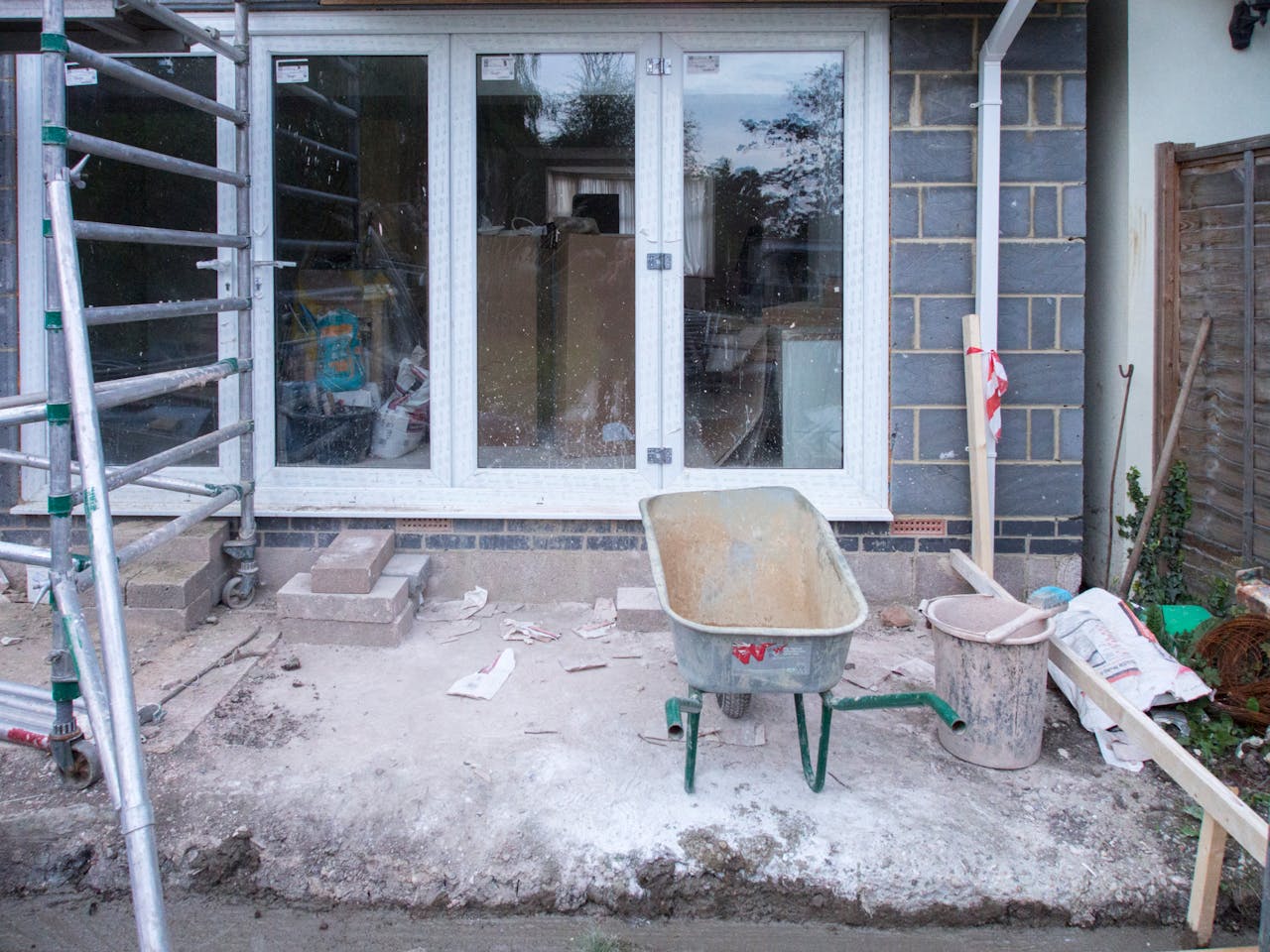
Concrete work is one of the easiest ways to step into construction. It’s straightforward, in demand, and doesn’t require a huge setup. Driveways, walkways, patios, and slabs are needed everywhere.
The startup costs are lower compared to full construction. You’ll need basic equipment, a small crew, and a good understanding of mixing, pouring, and finishing.
What makes this path even better is how it connects to larger opportunities. When you handle concrete, you’re already part of the early stages of building. That puts you in contact with builders, developers, and property owners. Those connections can lead to bigger structural work, including full foundations for homes.
Getting started is also easier now because many resources are available online. You can find pre-designed templates for job estimates, contracts, and pricing structures. There are also complete concrete business toolkits available. These often include guides on operations, cost breakdowns, and even marketing strategies. Instead of figuring everything out on your own, you follow a system that’s already been tested. That cuts down trial and error and helps you focus on getting jobs done right.
As your workload increases, you can expand into more complex projects. Foundation work, structural slabs, and commercial jobs start to come within reach.
Property Flipping Business
Property flipping mixes construction with real estate. You buy a home that needs work, fix it up, and sell it for a higher price. Sounds simple, but it takes planning and discipline.
The real value comes from knowing where to spend and where to hold back. Not every upgrade adds profit. Structural repairs, updated kitchens, and clean finishes tend to bring solid returns. Overspending on luxury details can cut into your margins.
Having basic construction knowledge gives you an edge here. You can manage repairs more efficiently and avoid unnecessary costs. If you already run a small renovation or concrete business, flipping becomes a natural extension.
Each project builds experience. You get better at estimating costs, managing timelines, and understanding what buyers want. With the right approach, flipping can generate strong profits while sharpening your building skills.
Home Renovation and Remodeling Services
Not every job involves building from scratch. A lot of work comes from improving what’s already there. Kitchens, bathrooms, basements—these spaces are always being updated. Homeowners want better layouts, modern finishes, and more usable space.
Renovation work is a practical way to enter the industry because projects are smaller and easier to manage. You’re working within an existing structure, which reduces material costs and planning time. At the same time, you still learn key construction skills like framing, plumbing coordination, and finishing.
Clients in this space tend to be hands-on. They care about details, timelines, and budgets. If you handle those well, you build strong relationships. Many of these clients return for future work or refer others. That steady flow of projects helps your business stay active.
Custom Home Design and Build Services
Some clients don’t want standard homes. They want something tailored to their needs, their style, their lifestyle. That’s where custom building comes in.
This type of work requires more coordination. You’ll work closely with architects, designers, and the client from start to finish. Every detail matters, from layout to materials to finishing touches. It’s a hands-on process, but it also comes with higher returns.
Clients expect clear communication and consistent progress. They want updates, transparency, and no surprises when it comes to costs. If you can deliver that, you stand out quickly in this space.
Custom projects also allow you to build a strong portfolio. Each completed home becomes proof of your capability. That helps attract new clients who are looking for something unique rather than standard builds.
It’s not the easiest place to start, but once you have some experience behind you, it becomes a solid way to grow your business.
Breaking into the home building industry doesn’t require a huge first move. It’s more about choosing a starting point that fits your skills and resources. Concrete work, small construction jobs, or renovation projects can all lead somewhere bigger if handled well.
Each step builds experience, connections, and confidence. As those grow, larger opportunities start to feel more within reach. Instead of chasing everything at once, focusing on one solid path gives you a clearer direction and better results.
 Robert