
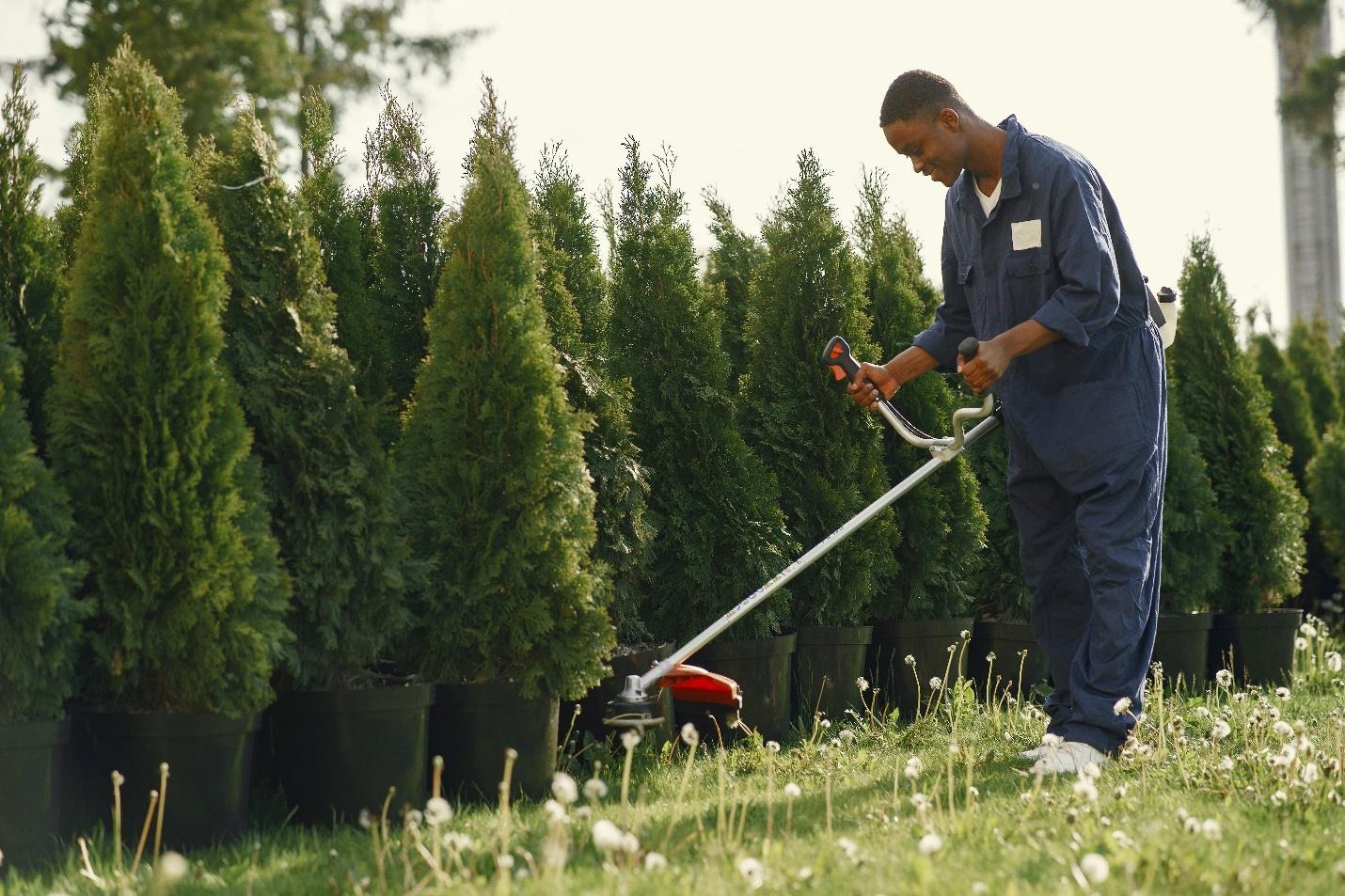
Running a landscaping business comes with many ongoing expenses. Fuel costs, equipment repairs, labor, and maintenance can quickly reduce profits if they are not managed properly. Many landscaping companies spend a large amount of money every year replacing damaged tools or fixing equipment that breaks down during busy seasons. Even small maintenance problems can lead to delays, missed jobs, and unhappy customers.
For small and growing landscaping businesses, lowering maintenance costs is important for long-term success. Saving money on repairs and equipment upkeep allows companies to invest more in employees, better tools, and business growth. It also helps crews work more efficiently without dealing with constant equipment problems.
Upgrade to More Efficient Lawn Equipment
Older landscaping equipment often needs constant repairs and maintenance. Gas-powered tools may require oil changes, filter replacements, spark plug repairs, and fuel management. These costs can add up quickly, especially for companies that use equipment every day.
Many landscaping businesses are now moving toward battery-powered equipment because it is easier to maintain. These tools usually have fewer moving parts, which means there is less chance of mechanical failure. Crews can spend more time working and less time dealing with repairs.
Using the best battery string trimmer can also help reduce fuel expenses and lower maintenance needs. Battery-powered trimmers are often quieter, cleaner, and easier to operate compared to traditional gas-powered models. Since they do not require gasoline or engine maintenance, businesses can save money over time.
Create a Preventive Maintenance Schedule
Many equipment problems happen because regular maintenance is ignored. Small issues that are left unchecked can become expensive repairs later. A preventive maintenance schedule helps landscaping businesses keep equipment in good condition throughout the year.
Routine inspections are important for all landscaping tools. Businesses should regularly check blades, trimmer heads, batteries, air filters, and moving parts. Cleaning equipment after each use can also prevent dirt buildup and damage.
Having a maintenance schedule helps crews know when equipment needs servicing. This reduces the chances of unexpected breakdowns during jobs. It also helps extend the lifespan of expensive tools and machinery.
Train Crews to Handle Equipment Properly
Improper equipment use is one of the most common reasons for unnecessary damage and repair costs. Even strong commercial tools can wear out faster when they are handled incorrectly.
Training employees on proper equipment use can help landscaping businesses reduce maintenance expenses. Workers should understand how to safely start, operate, clean, and store tools after each job. Simple habits like avoiding rough handling and checking equipment before use can make a big difference.
Proper training also improves workplace safety. Employees who know how to use equipment correctly are less likely to cause accidents or damage tools during daily tasks. This helps businesses avoid both repair costs and work delays.
Reduce Fuel and Transportation Expenses
Fuel costs are one of the biggest ongoing expenses for landscaping businesses. Trucks, trailers, mowers, and other equipment are often used daily, which means fuel spending can increase very quickly. Businesses that do not manage transportation properly may end up wasting both time and money.
One simple way to reduce fuel expenses is by planning work routes more efficiently. Scheduling jobs that are close to each other on the same day can help crews avoid unnecessary driving. This reduces fuel use and allows workers to spend more time completing jobs instead of traveling between locations.
Landscaping companies can also reduce costs by limiting idle time. Leaving trucks or equipment running while not in use wastes fuel and increases wear on engines. Encouraging employees to turn off equipment when it is not needed can help lower expenses over time.
Invest in Durable Commercial-Grade Tools
Some landscaping businesses try to save money by purchasing cheaper equipment. While this may reduce costs in the beginning, low-quality tools often wear out faster and require more repairs. In many cases, businesses end up spending more money replacing damaged equipment than they would have spent on stronger tools from the start.
Commercial-grade equipment is designed for regular and heavy use. These tools are usually more reliable and can handle demanding jobs without breaking down as often. Although they may cost more upfront, they often last longer and reduce maintenance expenses in the long run.
Reliable equipment also helps crews work more efficiently. Workers are less likely to experience delays caused by faulty tools or unexpected breakdowns. This can improve productivity and help businesses complete more jobs on schedule.
Improve Equipment Storage and Organization
Proper storage plays a major role in reducing maintenance costs. Equipment that is left outside or stored carelessly can become damaged by rain, heat, dirt, or moisture. Over time, poor storage conditions can shorten the lifespan of expensive tools.
Landscaping businesses should store equipment in clean and dry areas whenever possible. Keeping tools organized also makes it easier for crews to find what they need quickly. This helps save time and prevents unnecessary damage caused by improper handling.
Battery-powered equipment also requires proper charging and storage practices. Batteries should be charged according to manufacturer instructions and stored safely when not in use. Poor battery care can reduce performance and lead to early replacements.
Track Equipment Performance and Repair Costs
Many landscaping businesses spend money on repairs without fully understanding where most of their maintenance costs are coming from. Tracking equipment performance can help business owners identify problems early and make better decisions about repairs and replacements.
Keeping simple records for each piece of equipment can be very useful. Businesses can track how often tools need repairs, how much money is spent on maintenance, and how long equipment usually lasts. This information helps owners see which tools are reliable and which ones create unnecessary expenses.
For example, if a mower or trimmer constantly needs repairs, it may be more cost-effective to replace it instead of continuing to fix it. On the other hand, equipment that performs well with minimal maintenance may be worth keeping for a longer period.
Lowering maintenance costs is important for any landscaping business that wants to improve profits and operate more efficiently. Repair expenses, fuel costs, and equipment breakdowns can quickly affect daily operations if they are not managed properly.
 CEO Asif