
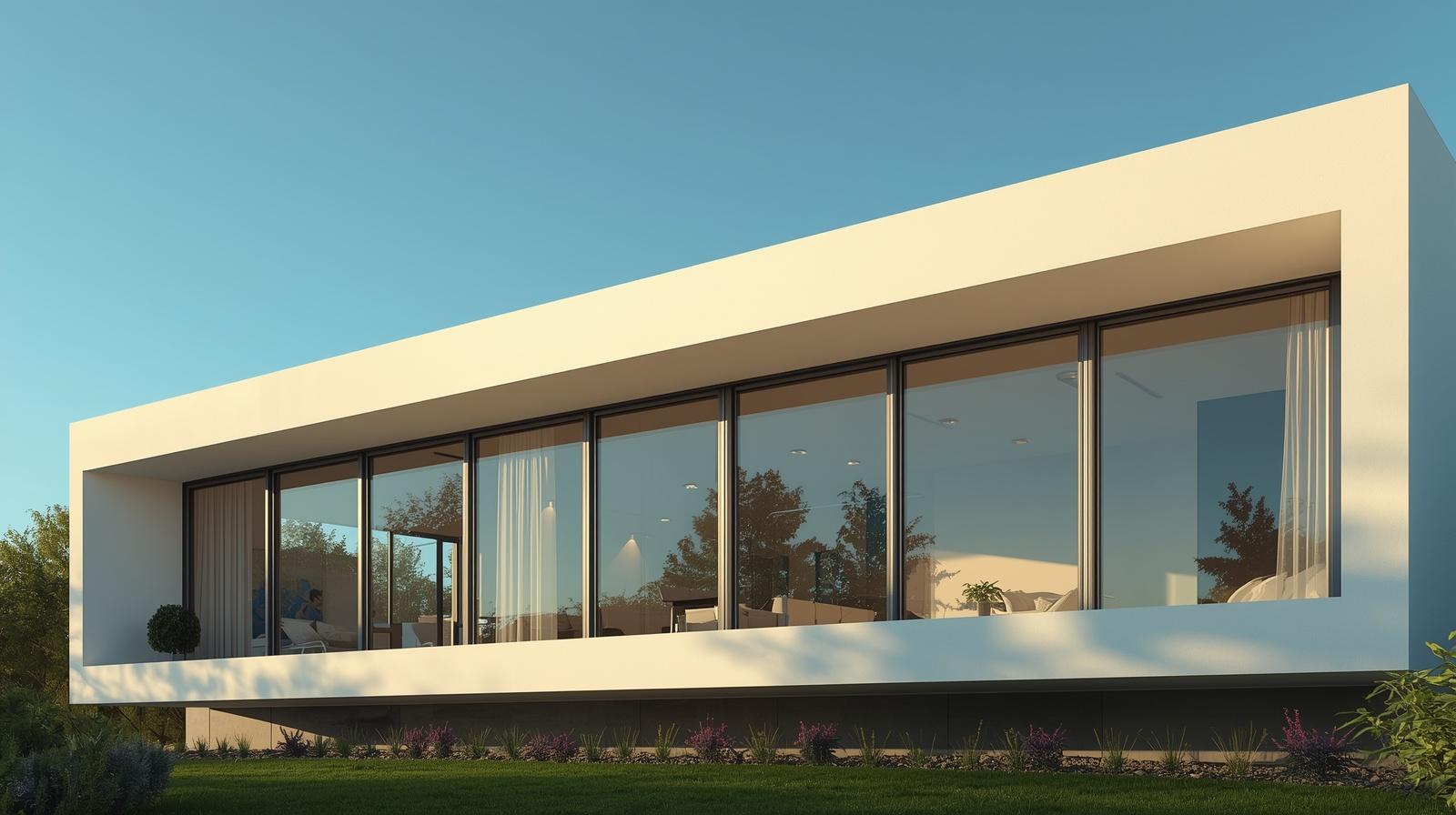
Old, drafty windows can account for 25 to 30% of residential heating and cooling energy loss, according to the U.S. Department of Energy. In 2026, the market for energy-efficient windows has never been more advanced or more affordable. Whether you are building new, replacing aging single-pane windows, or upgrading to the latest triple-pane technology, this complete guide to energy-efficient windows gives you everything you need to make the right decision — and maximize your savings.
Why Energy-Efficient Windows Matter in 2026

Energy-efficient windows are no longer a luxury upgrade — they are an essential component of any high-performance home. Modern energy-efficient windows use multiple panes of glass, inert gas fills, low-emissivity (Low-E) coatings, and thermally broken frames to dramatically reduce heat transfer compared to standard double-pane or single-pane units.
With energy costs continuing to rise and climate targets pushing homeowners toward greener solutions, upgrading to energy-efficient windows delivers financial and environmental returns simultaneously. The average household replacing single-pane windows with certified Energy Star windows can save $125 to $465 per year on energy bills, depending on climate zone and home size.
Additionally, energy-efficient windows improve indoor comfort by eliminating cold drafts near the glass, reduce condensation and associated mold risks, protect furnishings from UV fading, and can increase home resale value by an estimated 70 to 80% of the installation cost recovered.
Key Ratings to Understand When Buying Energy-Efficient Windows
Shopping for energy-efficient windows requires understanding a handful of critical performance metrics. These ratings, established by the National Fenestration Rating Council (NFRC), allow for apples-to-apples comparison between products.
U-Factor: Measures how well a window prevents heat from escaping. Lower is better. Energy Star requires a U-factor of 0.30 or below in northern climates. Triple-pane windows routinely achieve U-factors of 0.15 to 0.20.
Solar Heat Gain Coefficient (SHGC): Measures how much solar radiation passes through the glass. Lower values are better for hot climates to reduce cooling loads; higher values benefit cold climates by allowing passive solar gain.
Visible Transmittance (VT): Indicates how much visible light enters. Higher values mean brighter interiors. A good energy-efficient window maintains VT above 0.40 while controlling heat transfer.
Air Leakage (AL): Measures air infiltration through the window assembly. Lower is better; look for AL below 0.30 cfm/sq ft.
Condensation Resistance (CR): Rates resistance to condensation on a scale of 1 to 100. Higher scores indicate better performance in cold climates.

Types of Energy-Efficient Windows Available in 2026
The window market in 2026 offers several tiers of energy efficiency, with technology continuing to advance rapidly.
Double-Pane Low-E Windows: The current baseline for energy efficiency. Two panes of glass with a Low-E coating and argon gas fill achieve U-factors of 0.25 to 0.35. These represent excellent value and meet Energy Star requirements in most climate zones.
Triple-Pane Windows: Three panes separated by two gas-filled spaces, often using krypton gas for superior insulation. Triple-pane windows achieve U-factors of 0.12 to 0.20 and are ideal for cold climates and passive house construction.
Vacuum-Insulated Glass (VIG): An emerging technology that replaces gas fills with a near-perfect vacuum between panes, achieving exceptional thermal performance in a slimmer profile — ideal for historic renovations.
Dynamic Electrochromic Windows: Smart windows that tint automatically or on command, controlling solar gain throughout the day. Increasingly cost-competitive in 2026 and ideal for south- and west-facing exposures.
Fiberglass and Composite Frames: Frame material significantly impacts overall window performance. Fiberglass frames offer thermal performance 8 times better than aluminum and outperform vinyl in longevity and dimensional stability.
Energy-Efficient Window Costs in 2026
Understanding window replacement costs helps homeowners budget realistically and evaluate return on investment. Costs vary significantly by window type, size, frame material, and installation complexity.
Basic double-pane Energy Star windows typically cost $300 to $700 per window installed, including labor. Mid-range options with premium Low-E coatings and better frames range from $700 to $1,200 per window. Triple-pane windows run $1,000 to $2,000 or more per unit installed. For a typical 15-window home, total project costs commonly range from $8,000 to $25,000 depending on the products selected.
Federal tax credits under the Inflation Reduction Act allow homeowners to claim 30% of the cost of qualifying Energy Star windows, up to $600 per year for windows and skylights combined. Many states and utilities offer additional rebates. These incentives can meaningfully reduce your net investment and accelerate payback.
Payback periods vary by climate and energy costs but typically run 7 to 15 years for double-pane replacements of single-pane windows. In very cold or hot climates with high energy costs, payback can be as short as 5 to 7 years. Triple-pane upgrades from double-pane have longer paybacks — often 15 to 25 years — making them most attractive when also factoring in comfort, noise reduction, and resale value.

Top Energy-Efficient Window Brands in 2026
Several manufacturers consistently lead in performance, quality, and customer satisfaction in 2026.
- Andersen Windows: Known for reliable fiberglass and wood-clad options with strong Energy Star certifications. Their 100 Series uses Fibrex composite material for exceptional durability and thermal performance.
- Pella: Offers a wide range from entry-level vinyl to premium fiberglass and wood windows. Pella’s Impervia fiberglass line is highly rated for cold climates with U-factors as low as 0.17.
- Marvin: Premium manufacturer with outstanding craftsmanship and excellent thermal performance. The Marvin Elevate and Essential series offer great energy efficiency with beautiful aesthetics.
- Milgard: A popular west coast brand known for value-oriented vinyl windows with solid Energy Star performance. Their Tuscany and Trinsic Series are widely recommended.
- Alpen Windows: A specialized manufacturer focused exclusively on high-performance windows, offering triple-pane and even quad-pane options with some of the lowest U-factors available on the market.
How to Maximize Savings After Installing Energy-Efficient Windows
Installing new windows is just the beginning of maximizing their energy-saving potential. Proper installation is critical — even the best window underperforms if poorly installed. Always use a certified installer and ensure proper flashing, sealing, and insulation around the window rough opening. Poor installation accounts for a significant portion of window-related energy loss.
Consider window treatments that complement your new windows. Cellular shades add an additional R-value layer on cold nights while allowing natural light during the day. Exterior shading through strategic landscaping, awnings, or solar shades can dramatically reduce solar heat gain in summer without sacrificing Low-E coating performance.
Combine window upgrades with air sealing around the window frames and sills. Even the best window can lose significant energy through gaps in the surrounding wall assembly. Finally, re-evaluate your thermostat settings after installation — your home will be more comfortable at temperatures you previously found inadequate, which translates directly into additional energy savings.

Energy-efficient windows in 2026 offer homeowners an outstanding combination of comfort, savings, and sustainability. By understanding the ratings system, comparing product types honestly, and leveraging available tax credits and rebates, you can make a window investment that pays dividends for decades. Start by auditing your current windows, getting at least three installation quotes, and checking your climate zone’s Energy Star requirements before purchasing.
 Robert