

What Are Folding Glass Doors and Why Are They Transforming Australian Homes?
Folding glass doors also widely known as bifold doors, concertina doors, or accordion glass doors are a system of two or more hinged glass panels that fold back on themselves like the pages of a book, stacking neatly to one or both sides of the opening to create an almost completely unobstructed connection between indoor and outdoor spaces. Unlike traditional sliding or swinging doors that partially block the opening when in use, a fully retracted folding glass door system can clear up to 90 percent of the wall opening, creating a genuinely seamless transition between interior living areas and outdoor entertaining spaces that has become one of the most sought-after design features in Australian residential architecture.
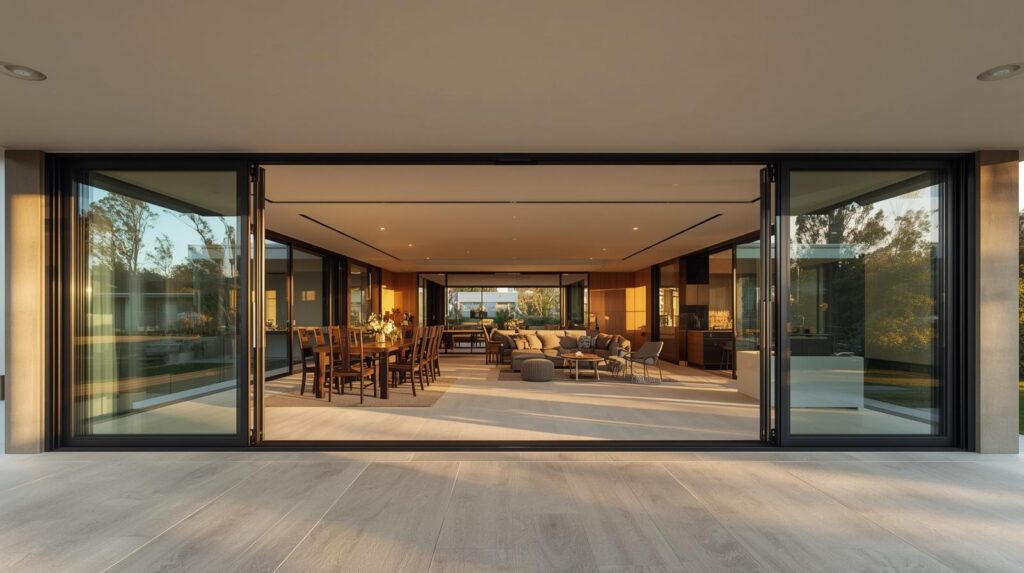
The appeal of folding glass doors is easy to understand in the Australian context. Australia’s climate, culture, and strong preference for outdoor living make these systems an ideal choice for modern homes. Bifold glass doors allow homeowners to open their living spaces directly to gardens, decks, pool areas, and alfresco zones during warm weather while maintaining excellent thermal performance, weather protection, and acoustic insulation when closed.
Homeowners value folding glass doors not only for their lifestyle benefits but also for their ability to increase property value. As a result, they consistently rank among the most rewarding home improvement investments in Australia. Manufacturers have also significantly improved their designs in recent years by introducing thermally broken frames, double- and triple-glazing options, and slimmer sightlines that maximize the glass-to-frame ratio and enhance natural light.
Types of Folding Glass Door Systems: Aluminium, Timber, and uPVC
The three primary framing materials used in residential folding glass door systems are aluminium, timber, and uPVC. Each material offers a different balance of performance, aesthetics, and cost. These differences make them suitable for various architectural styles and homeowner needs.
Aluminium is the most popular framing material for folding glass doors in Australia. It offers an excellent strength-to-weight ratio. This allows manufacturers to create slimmer sightlines than timber or uPVC. At the same time, it still provides enough structural rigidity for large glass panels and wide openings. Powder-coated aluminium frames are available in a wide range of colours. They are also highly resistant to corrosion, which makes them ideal for coastal areas. This is especially important in Australia, where many homes are located in marine corrosion zones.
Standard aluminium conducts heat and cold easily. However, thermally broken aluminium systems solve this issue. They use a structural polymer barrier between the inner and outer frame sections. This reduces heat transfer significantly. As a result, insulation performance improves. These systems are better suited to regions with large temperature variations.
Timber folding glass doors provide warmth and natural beauty. They offer a premium aesthetic that works well in traditional, heritage, and modern designs. Common hardwood species include cedar, meranti, and engineered timber composites. These materials create a rich visual appeal that aluminium cannot fully replicate.
Timber frames do require more maintenance. They often need regular repainting or re-oiling, depending on the finish. They are also generally more expensive than aluminium or uPVC. However, they deliver a level of material warmth that many homeowners value. This makes them a preferred choice for high-end renovations and new builds where design quality is a priority.
uPVC frames offer strong thermal performance and very low maintenance requirements. They are usually priced between aluminium and timber. However, they have bulkier profiles and a more limited colour range. Because of this, they are less common in premium residential projects in Australia.
Glazing Options: Single, Double, and Laminated Safety Glass Explained
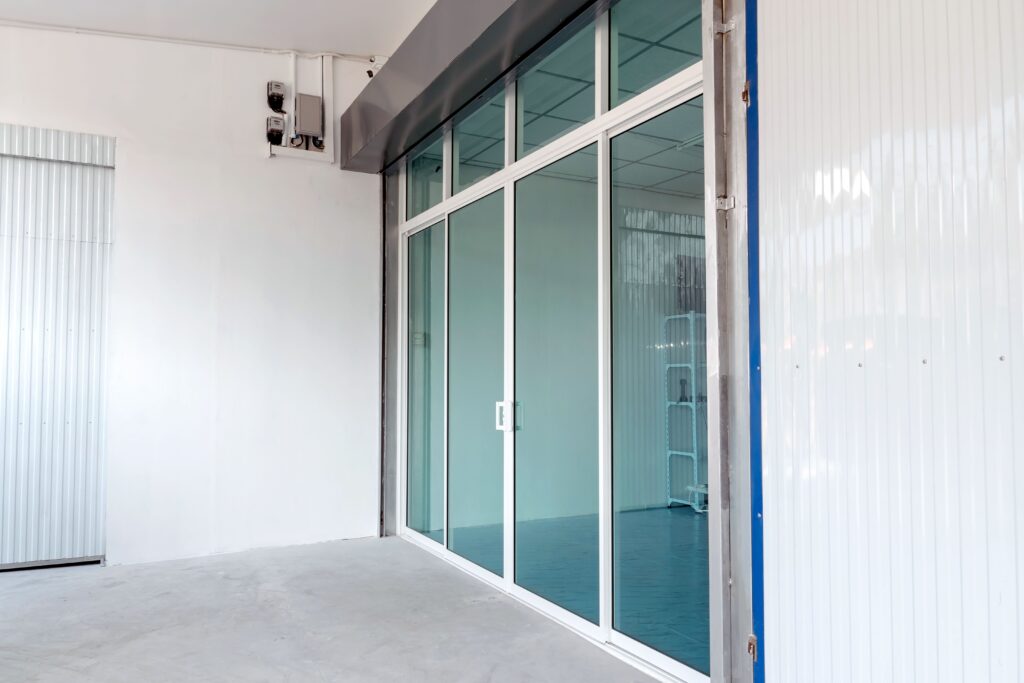
The glass specification in a folding door system is just as important as the frame material. It directly affects thermal performance, acoustic properties, safety rating, and overall quality. Understanding glazing options helps homeowners choose the right specification. The choice depends on climate, orientation, privacy needs, and budget.
Single glazing is still available in entry-level folding door systems. However, it is no longer recommended for most residential applications in Australian climates. Its thermal and acoustic performance is poor. Heat loss in winter and heat gain in summer are significant. It also provides limited sound insulation, making it unsuitable for urban homes or properties near traffic.
Double glazing is now the standard for quality residential bifold systems. It uses two glass panes separated by a sealed air or gas-filled cavity. This design significantly improves both thermal and acoustic performance compared to single glazing. The cavity width, gas type (air, argon, or krypton), and low-emissivity (low-e) coating all influence performance. Well-specified units can achieve U-values close to a well-insulated wall.
The National Construction Code requires laminated safety glass in certain hazardous locations. These include doors, low-level glazing accessible to children, and areas near stairways. Laminated safety glass is made by bonding two glass panes with a strong interlayer. This layer holds the glass together if it breaks.
For folding door systems, laminated glass is often used on the interior pane of double-glazed units. This meets safety requirements and improves security. It makes the panel very difficult to break during forced entry. Manufacturers also offer tinted, frosted, and patterned glass. These options are used for privacy, solar control, or decorative design.
Folding Glass Door Costs in Australia: What to Budget in 2026
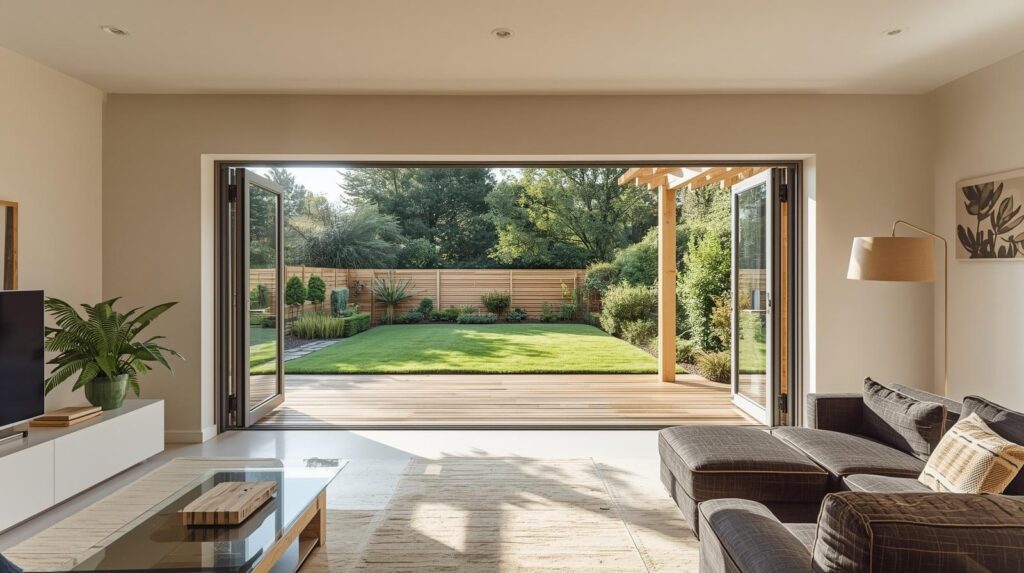
The cost of folding glass doors in Australia varies considerably. It depends on several factors. These include the width and height of the opening, number of panels, frame material, glazing type, hardware quality, and installation complexity.
Understanding these cost components is important. It also helps homeowners budget more accurately. It prevents being misled by unusually low quotes. Such quotes often indicate inferior products or poor installation practices.
Entry-level aluminium bifold systems usually start at around $1,200 to $1,800 per lineal metre of opening, including installation. These systems are often manufactured overseas. They typically use basic single or double glazing. They may also have wider frame sightlines and simpler hardware. Colour and glass options are usually limited. This makes them a functional but budget-focused choice. They suit renovations in moderate climate zones.
Mid-range systems come from established Australian or European manufacturers. They usually feature thermally broken aluminium frames. They also include quality double glazing with low-E coatings. Hardware is more durable and better engineered. These systems generally cost between $2,000 and $3,500 per lineal metre installed. This range offers the best balance of performance and value. It suits most homes in major Australian cities and climate zones.
Premium folding glass door systems sit at the top end of the market. They may include high-spec timber frames, frameless or near-frameless designs, or European triple glazing. Custom configurations for very large openings also fall into this category. These systems can cost between $4,000 and $8,000 per lineal metre installed.
For a typical Australian home, the opening is around 5 to 6 lineal metres. A mid-range bifold system in this size usually costs between $10,000 and $21,000. This includes both supply and installation.
Installation Considerations: Structural Requirements and Builder Selection
Installing folding glass doors in an existing wall opening, or as part of a new construction or renovation, involves several critical structural, waterproofing, and regulatory considerations that must be addressed by qualified professionals. Attempting to source and install a bifold system without adequate structural assessment and professional installation is one of the most common and costly mistakes homeowners make in the renovation process.
The most fundamental structural consideration is the header — the structural beam above the door opening that carries the load of the wall and roof structure above. For standard wall openings up to approximately 3 metres wide, a correctly sized timber or steel lintel can typically support the load without requiring additional structural work. For wider openings of 4 to 8 metres or more — which are common when creating a generous indoor-outdoor connection across a living area rear wall — engineers usually specify a steel beam. You must include the cost of the structural beam and its installation in the total project budget, and you cannot skip or undersize it without creating serious structural risk.
Waterproofing at the threshold—the bottom of the door opening where it meets the floor—is another critical installation detail that installers often execute poorly in budget projects. A correctly designed threshold should shed driving rain away from the interior floor, accommodate thermal expansion and contraction of the door system, and create a smooth, low-profile transition between interior and exterior floor surfaces. The flush threshold detail, where the interior floor level and exterior paving sit at the same height, offers the most desirable solution from a livability and aesthetic perspective but requires careful waterproofing design to prevent water ingress. Most Australian states require building permits for folding glass door installations that involve structural changes, and homeowners should engage a licensed builder who has specific experience with large glazing systems and bifold installations.
Choosing the Right Folding Glass Door System for Your Home: A Practical Guide
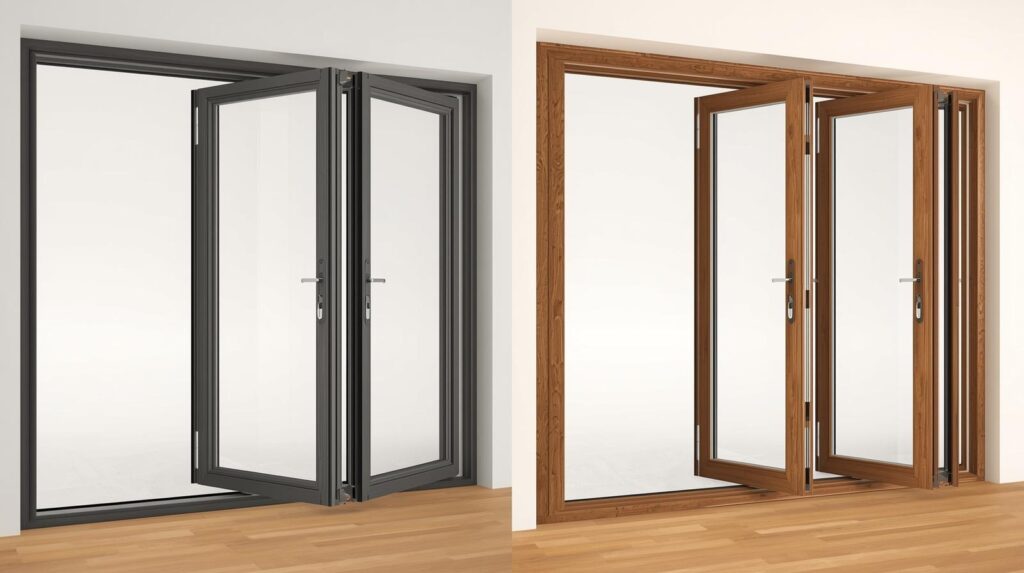
Selecting the right folding glass door system for your specific home, opening, climate zone, and budget requires a systematic evaluation process that goes beyond simply comparing price per lineal metre. The decisions you make at the selection stage will determine the performance, longevity, and aesthetic quality of the system for the decades it will remain in place, making it worth investing the time in thorough research before committing.
Start by clearly defining the size of the opening you need the system to span, the number of panels required, and the desired folding direction (one side, both sides, or a combination). In most residential applications, homeowners prefer a system that folds entirely to one side because it provides a maximum opening width and simpler operation. However, in very wide openings, you may need a two-direction fold where panels stack on both sides to keep individual panel widths manageable. Standard panel widths range from 600mm to 1,000mm, and wider panels add more weight, so they require more robust hardware.
Request quotes from at least three suppliers, ensuring that each quote is for a comparable specification — frame material, glazing specification, hardware brand, and finish. Visit a showroom where possible to physically operate the systems under consideration: the quality of the folding action, the smoothness of the rollers, the precision of the panel alignment, and the tactile quality of the handles and locking mechanism are all important indicators of the overall product quality that photographs and spec sheets cannot convey. Ask specifically about the warranty — quality systems carry a 10-year warranty on hardware and a separate glazing unit warranty — and check the manufacturer’s or supplier’s track record and reputation through online reviews and industry certifications. Choosing a system from an established, reputable supplier with a local service network ensures that warranty claims, replacement parts, and service support are readily accessible throughout the system’s life in your home.
