
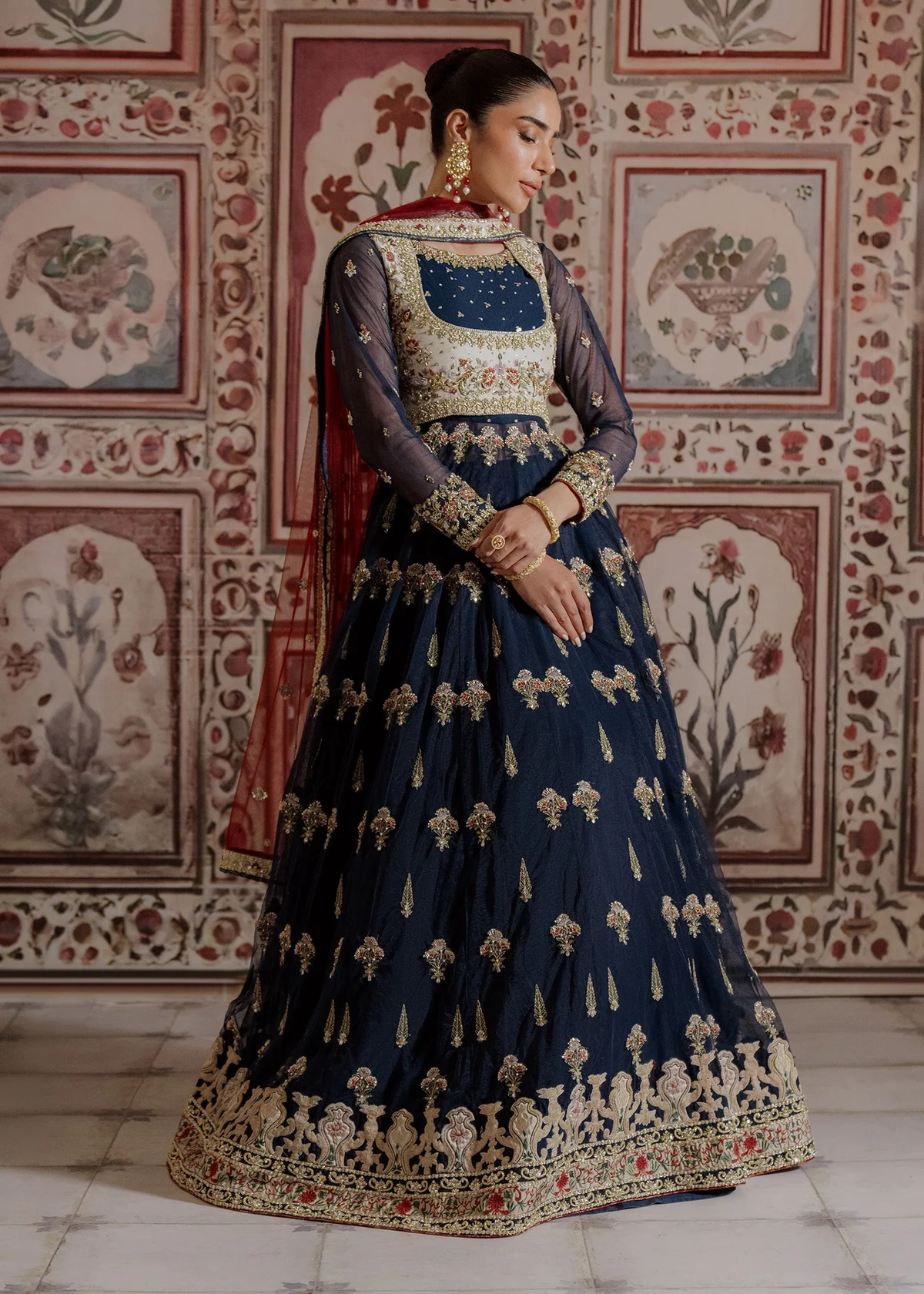
Pakistani dresses reflect a rich cultural history shaped by traditional craftsmanship, regional influences, and artistic heritage. Among the most beautiful influences is Mughal art, known for its detailed patterns, luxurious fabrics, floral designs, and elegant embroidery. Mughal rulers supported skilled artists and craftsmen, creating a distinctive style that continues to inspire traditional clothing. Today, Pakistani dresses inspired by Mughal art combine historical beauty with modern fashion elements. From intricate zari work to delicate motifs and royal silhouettes, these designs offer a timeless appearance for weddings, festive occasions, and cultural celebrations. Understanding these artistic influences makes traditional Pakistani fashion even more meaningful.
The Influence of Mughal Art on Pakistani Fashion
Mughal art developed through a combination of Persian, Central Asian, and South Asian artistic traditions. Its influence can be seen in architecture, paintings, jewellery, textiles, and clothing. Traditional garments often featured elaborate decoration that reflected wealth, elegance, and artistic skill.
Several Mughal design elements remain popular in Pakistani clothing:
- Floral patterns: Detailed flowers, leaves, vines, and garden-inspired designs.
- Paisley motifs: Decorative curved patterns commonly used in embroidery and printed fabrics.
- Geometric details: Repeated shapes and symmetrical patterns inspired by historical architecture.
- Gold embellishments: Zari, zardozi, and metallic threadwork that create a royal appearance.
- Fine craftsmanship: Hand embroidery, delicate finishing, and carefully arranged decorative elements.
These details give traditional outfits a distinctive appearance while preserving connections with historical South Asian culture.
Popular Mughal-Inspired Elements in Pakistani Dresses
Mughal-inspired fashion includes several decorative techniques and design features. Each element contributes a different level of detail, making it possible to find outfits suitable for formal and semi-formal occasions.
- Zardozi Embroidery: Zardozi is a traditional embroidery technique involving metallic threads, beads, and decorative materials. It is frequently used around necklines, sleeves, borders, and dupattas.
- Zari Work: Gold and silver threadwork adds shine and richness to traditional garments. This technique is especially popular for wedding and festive clothing.
- Floral Embroidery: Inspired by Mughal gardens and miniature paintings, floral patterns create a graceful and artistic appearance.
- Mirror and Stone Details: Small decorative elements add texture and sparkle without changing the traditional character of an outfit.
- Detailed Borders: Elaborate borders on shirts, trousers, and dupattas reflect the decorative style associated with royal clothing.
These techniques can appear individually or together, depending on the fabric, occasion, and overall outfit design.
Traditional Fabrics Used in Mughal-Inspired Outfits
Fabric selection plays an important role in achieving an elegant Mughal-inspired appearance. Historically, luxurious textiles were associated with royal clothing, and similar materials remain popular in modern Pakistani formal wear.
Common fabric choices include:
- Silk: Provides a smooth finish and works well with detailed embroidery.
- Velvet: Creates a rich appearance, especially for winter weddings and evening functions.
- Chiffon: Offers a lightweight texture suitable for embroidered shirts and dupattas.
- Organza: Holds decorative patterns beautifully and adds structure to formal outfits.
- Jamawar: Features intricate woven designs inspired by traditional textile craftsmanship.
- Net: Provides a delicate base for embroidery, beads, and decorative embellishments.
Selecting the right fabric depends on the season, event, and level of embroidery. Heavy materials are suitable for cooler weather, while chiffon and organza are practical options for warmer occasions.
Mughal-Inspired Anarkali Dresses
Anarkali dresses are among the most recognizable traditional styles associated with Mughal-inspired fashion. Their flowing silhouettes, fitted bodices, and flared skirts create a graceful appearance.
Modern Pakistani Anarkali dresses often include:
- Long, flared shirts with embroidered panels.
- Decorative necklines featuring gold threadwork.
- Wide borders inspired by historical floral patterns.
- Matching dupattas with detailed edging.
- Traditional churidar trousers or fitted bottoms.
Anarkali outfits are suitable for weddings, formal dinners, Eid celebrations, and cultural events. Lighter embroidery creates a balanced daytime look, while elaborate embellishments are suitable for evening occasions.
Royal Colour Combinations Inspired by Mughal Heritage
Colour selection is another important feature of Mughal-inspired clothing. Historical paintings, palace decorations, and traditional textiles provide inspiration for rich and balanced colour combinations.
Some popular choices include:
- Deep Red and Gold: A classic combination associated with wedding celebrations and formal clothing.
- Emerald Green and Antique Gold: Creates a rich appearance suitable for festive outfits.
- Royal Blue and Silver: Offers a sophisticated alternative to traditional warm colours.
- Ivory and Gold: Provides a subtle, elegant appearance for formal daytime events.
- Maroon and Copper: Combines traditional depth with decorative warmth.
- Mustard and Rust: Reflects the earthy colours found in historical artwork and textiles.
Colour combinations can influence the overall appearance of an outfit. Deep shades generally create a dramatic effect, while lighter colours highlight delicate embroidery and fabric details.
How Mughal Art Appears in Modern Pakistani Dresses
Contemporary designers often reinterpret historical Mughal patterns through modern cuts, lighter fabrics, and updated silhouettes. This approach allows traditional artwork to remain relevant without making every outfit look historically inspired from head to toe.
Some modern interpretations include:
- Minimal Embroidery: Small Mughal-inspired motifs placed around the neckline or sleeves.
- Contemporary Long Shirts: Traditional floral borders combined with straight-cut silhouettes.
- Modern Sharara Suits: Decorative Mughal patterns paired with wide-legged trousers.
- Printed Dupattas: Historical floral and paisley artwork recreated through digital or traditional printing.
- Coordinated Separates: Matching shirts, trousers, and dupattas featuring similar decorative details.
These styles offer flexibility for different age groups and occasions. Subtle patterns are suitable for everyday cultural wear, while detailed embroidery creates a more formal appearance.
Choosing Mughal-Inspired Pakistani Dresses for Different Occasions
The level of decoration and fabric choice should match the occasion. A balanced outfit looks more appropriate when its embroidery, colour, and silhouette complement the event.
Here are some practical suggestions:
| Occasion | Suitable Outfit | Recommended Details |
| Wedding | Anarkali or lehenga | Zardozi and zari work |
| Mehndi | Sharara suit | Colourful floral embroidery |
| Nikkah | Long shirt and trousers | Ivory and delicate gold details |
| Eid | Embroidered kurta | Light floral motifs |
| Formal Dinner | Silk suit | Subtle metallic embellishments |
| Family Gathering | Printed traditional suit | Paisley and decorative borders |
For daytime events, lightweight fabrics and moderate embroidery provide comfort. Evening functions allow richer fabrics, darker shades, and more elaborate decorative work.
Practical Tips for Styling Mughal-Inspired Traditional Outfits
Accessories and footwear can enhance the appearance of traditional clothing. However, excessive decoration can distract from the detailed artwork already present in the outfit.
Consider these styling tips:
- Choose traditional jewellery: Jhumkas, chandbalis, and kundan-inspired pieces complement Mughal-style embroidery.
- Select suitable footwear: Khussas and embroidered traditional sandals work well with Anarkali and sharara outfits.
- Keep makeup balanced: Natural makeup suits daytime events, while defined eyes and deeper shades complement evening clothing.
- Style the dupatta carefully: A neatly arranged dupatta highlights embroidered borders and decorative details.
- Match accessories thoughtfully: Jewellery should complement the outfit’s colour and embroidery rather than compete with it.
A coordinated appearance depends on balance. When an outfit contains heavy embroidery, simpler accessories can create a more refined overall look.
How to Identify Quality Mughal-Inspired Embroidery
Traditional embroidery requires attention to detail, and quality can vary between different garments. Before purchasing a formal outfit, examining the fabric and decorative work can help identify better craftsmanship.
Important factors include:
- Thread Quality: Embroidery threads should appear secure and evenly arranged.
- Pattern Consistency: Floral motifs and borders should have balanced placement.
- Fabric Strength: The material should support the weight of the embroidery without becoming damaged.
- Stitching Finish: Seams, sleeves, and neckline finishing should look neat.
- Colour Coordination: Decorative threads should complement the base fabric.
- Comfort: The lining and inner stitching should feel comfortable against the skin.
These checks are particularly useful when selecting heavily embroidered wedding dresses or formal Pakistani suits.
Why Mughal-Inspired Fashion Remains Timeless
Mughal-inspired fashion continues to influence Pakistani clothing because of its artistic depth and cultural significance. Unlike short-lived fashion trends, traditional motifs and embroidery techniques have remained relevant across generations.
There are several reasons behind this lasting popularity:
- Historical patterns offer distinctive artistic value.
- Traditional embroidery represents skilled craftsmanship.
- Royal colour combinations create an elegant appearance.
- Classic silhouettes remain suitable for formal celebrations.
- Modern adaptations make historical designs accessible to different fashion preferences.
The combination of cultural heritage and contemporary styling gives these garments lasting appeal. Mughal-inspired clothing also provides an opportunity to appreciate traditional South Asian artistry through everyday and formal fashion.
Discover Traditional Pakistani Dresses with Filhaal UK
Filhaal UK provides a platform for exploring Pakistani fashion and traditional clothing, making cultural styles accessible to customers interested in South Asian outfits. For anyone searching for Pakistani dresses that reflect traditional elegance and modern styling, Filhaal UK offers an opportunity to explore different clothing options in one place. From embroidered suits to occasionwear and culturally inspired designs, the collection can help shoppers discover outfits suited to different preferences and celebrations. A focus on traditional fashion, distinctive designs, and convenient online shopping makes Filhaal UK a useful destination for exploring Pakistani clothing and celebrating the beauty of South Asian textile heritage.
 william.gann
 afs.trans co.
 furniture.island