
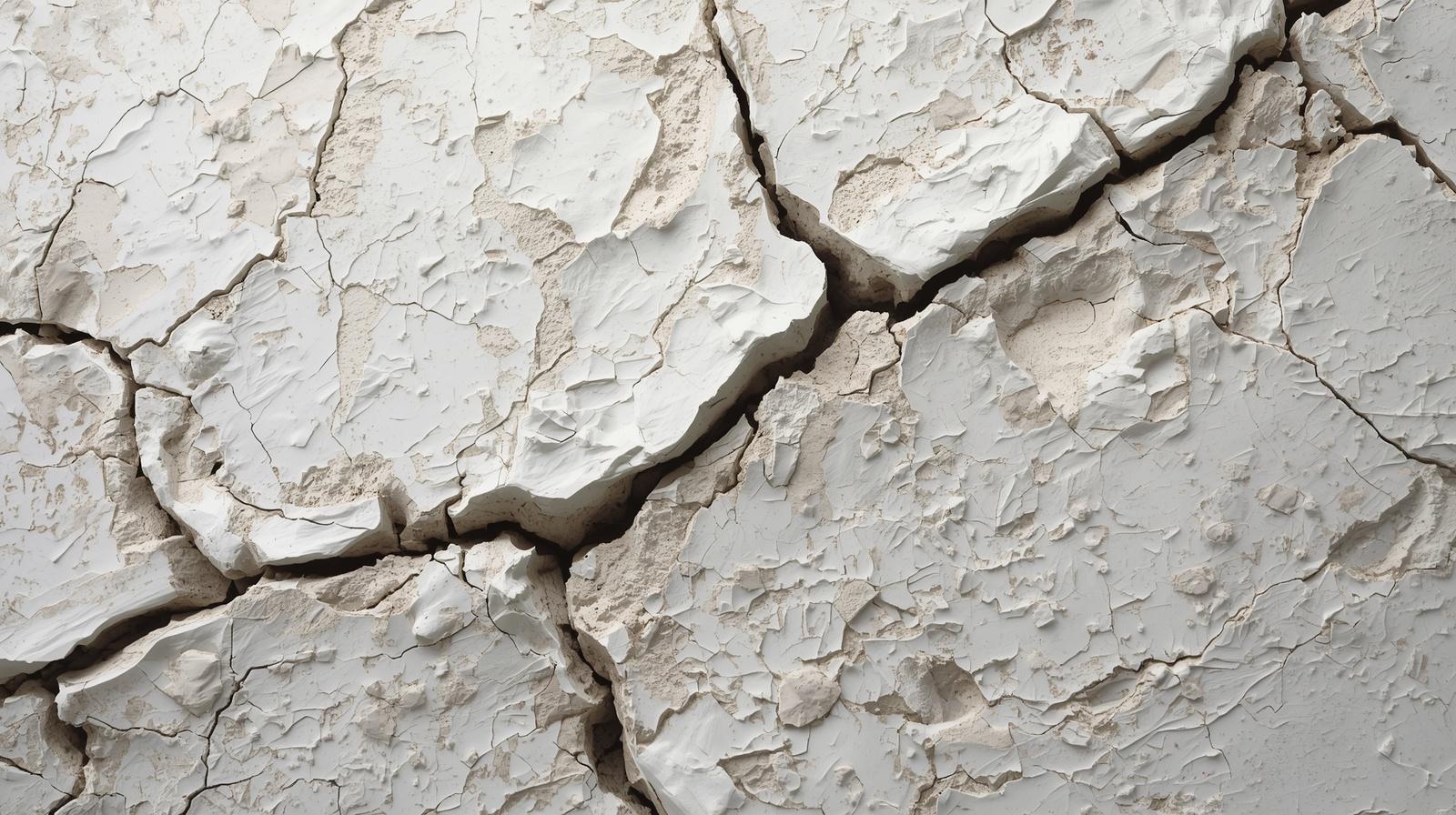
Wall cracks are one of the most common concerns homeowners face. Whether you notice a small hairline crack above a doorway or a larger crack running across a wall, it’s natural to wonder if the problem is serious. While many wall cracks are harmless and result from normal house settling, others may indicate structural issues that require immediate attention.

Understanding why walls crack and how to fix them can help homeowners maintain their property’s appearance, safety, and value. In this guide, we’ll explore the common causes of wall cracks, identify which cracks are serious, and explain the best repair methods.
Common Reasons Why Walls Crack
Walls can crack for several reasons. Some causes are completely normal, while others may signal underlying problems within the home’s structure.
Natural House Settling
New homes often develop small cracks during the first few years after construction. As the building settles into the soil, slight movements can occur, causing minor cracks in drywall, plaster, or paint.
These cracks are usually:
- Thin and narrow
- Found near doors and windows
- Not increasing in size over time
In most cases, these cracks are cosmetic rather than structural.
Temperature and Humidity Changes
Building materials naturally expand and contract as temperatures and humidity levels fluctuate throughout the year.
Common effects include:
- Hairline cracks in drywall
- Minor plaster cracks
- Joint separation in walls and ceilings
Homes located in regions with extreme seasonal changes are especially prone to this issue.
Poor Construction Practices

Improper installation of drywall, poor-quality materials, or inadequate workmanship can cause cracks to appear earlier than expected.
Examples include:
- Improper drywall taping
- Weak plaster application
- Insufficient support framing
- Low-quality finishing materials
These cracks often appear shortly after construction or renovation work is completed.
Foundation Movement
Foundation issues are among the most serious causes of wall cracks.
Potential causes include:
- Soil erosion
- Poor drainage
- Expanding clay soils
- Water damage around foundations
When foundations shift, walls may develop larger and more noticeable cracks.
Water Damage
Moisture is a major threat to any home. Leaking pipes, roof leaks, or poor drainage systems can weaken building materials and contribute to wall cracking.
Signs of water-related cracks may include:
- Stains near cracks
- Mold growth
- Soft or crumbling drywall
- Peeling paint
Addressing the source of moisture is essential before making repairs.
Types of Wall Cracks and What They Mean

Not all cracks indicate the same problem. Identifying the type of crack can help determine the appropriate solution.
Hairline Cracks
Hairline cracks are very thin and typically appear in paint, drywall, or plaster.
Characteristics:
- Less than 1/16 inch wide
- Often cosmetic
- Usually caused by settling or temperature changes
These cracks are generally easy to repair.
Vertical Cracks
Vertical cracks often result from natural settling and are usually less concerning than other crack patterns.
However, homeowners should monitor them for growth over time.
Horizontal Cracks
Horizontal cracks can be more serious, especially in basement walls or foundation areas.
Possible causes include:
- Soil pressure
- Foundation movement
- Structural stress
Professional inspection is often recommended.
Diagonal Cracks
Diagonal cracks frequently appear near doors and windows.
They may indicate:
- Uneven settling
- Foundation shifts
- Structural movement
If diagonal cracks continue growing, further investigation is necessary.
Stair-Step Cracks
These cracks commonly occur in brick or concrete block walls.
Potential causes include:
- Foundation settlement
- Soil movement
- Structural stress
Large stair-step cracks should always be evaluated by a qualified professional.
How to Fix Wall Cracks Properly

The repair method depends on the type and severity of the crack.
Repairing Hairline Drywall Cracks
For minor drywall cracks:
- Clean the crack area.
- Apply joint compound.
- Smooth the surface with a putty knife.
- Allow it to dry completely.
- Sand the area until smooth.
- Prime and repaint.
This method restores a clean and seamless finish.
Repairing Larger Drywall Cracks
For wider cracks:
- Remove loose drywall material.
- Apply drywall tape over the crack.
- Cover with joint compound.
- Apply multiple thin coats.
- Sand between coats.
- Repaint after drying.
Drywall tape helps prevent future cracking in the repaired area.
Repairing Plaster Cracks
Plaster repairs require extra care because older plaster can become brittle.
Steps include:
- Removing loose material
- Applying plaster repair compound
- Reinforcing larger cracks with mesh tape
- Sanding and repainting
Addressing Water Damage
Before repairing any crack caused by moisture:
- Fix roof leaks
- Repair plumbing leaks
- Improve drainage systems
- Remove damaged drywall if necessary
Repairing cracks without solving the moisture problem will only provide temporary results.
Foundation-Related Repairs
If cracks are linked to foundation movement, cosmetic repairs alone will not solve the issue.
Potential solutions may include:
- Foundation stabilization
- Drainage improvements
- Soil correction
- Structural reinforcement
Professional evaluation is strongly recommended.
When Should You Call a Professional?
Some cracks are harmless, while others require immediate expert attention.
Contact a professional if you notice:
- Cracks wider than 1/4 inch
- Rapidly expanding cracks
- Horizontal foundation cracks
- Stair-step brick cracks
- Doors and windows that no longer close properly
- Uneven floors
- Visible foundation movement
Early intervention can prevent expensive structural repairs later.
A licensed contractor or structural engineer can identify the root cause and recommend appropriate solutions.
Preventing Future Wall Cracks
While some cracking is unavoidable, homeowners can reduce the risk through proper maintenance.
Control Indoor Humidity
Use dehumidifiers and ventilation systems to maintain stable moisture levels.
Improve Drainage
Ensure rainwater flows away from the home’s foundation using:
- Gutters
- Downspouts
- Proper landscaping slopes
Address Leaks Quickly
Repair plumbing and roof leaks as soon as they are discovered.
Monitor Foundation Conditions
Inspect your foundation regularly for signs of movement or water damage.
Schedule Routine Home Inspections
Regular inspections help identify minor issues before they become major structural concerns.
Conclusion
Understanding why walls crack and how to fix them helps homeowners protect their property’s appearance and structural integrity. Most small cracks result from natural settling, temperature changes, or minor material movement. These cracks can usually be repaired using simple DIY techniques.
However, larger cracks, horizontal cracks, and foundation-related damage should never be ignored. Identifying the underlying cause is essential for long-term repairs.
With proper maintenance, moisture control, and timely repairs, homeowners can keep their walls in excellent condition and avoid costly structural problems.
Frequently Asked Questions
Are wall cracks normal in a house?
Yes. Small hairline cracks are common and often occur due to normal settling and seasonal expansion or contraction.
Which wall cracks are dangerous?
Horizontal cracks, large diagonal cracks, and widening foundation cracks may indicate structural issues and should be professionally inspected.
Can I repair wall cracks myself?
Minor drywall and plaster cracks can usually be repaired using joint compound and basic tools.
Do wall cracks always mean foundation problems?
No. Many cracks are cosmetic, but significant or growing cracks should be evaluated to rule out foundation movement.
 Robert