
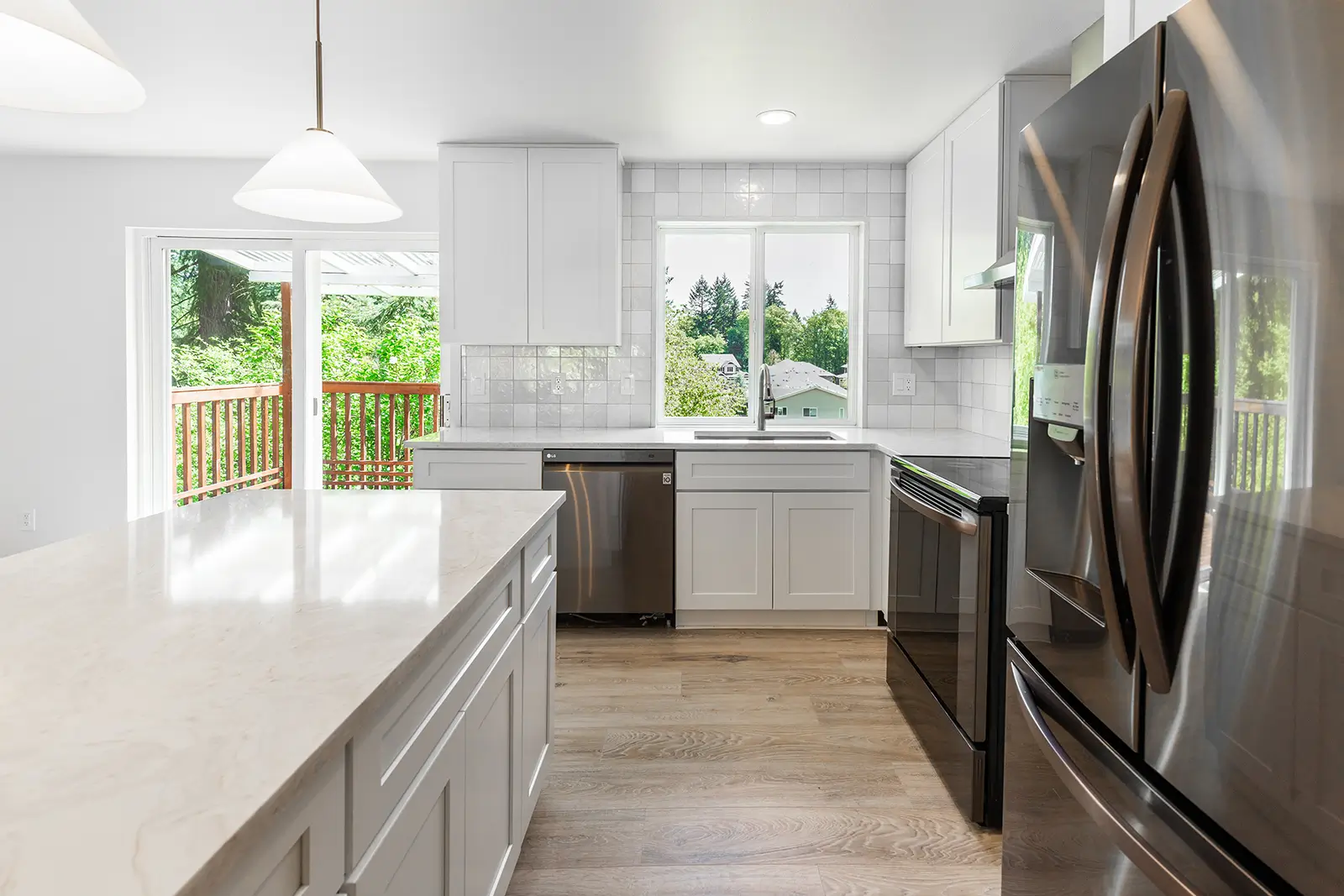
Small homes can be comfortable, stylish, and highly functional when every square foot is planned with intention. The challenge is not always the actual size of the house, but how the space is divided, furnished, lit, and used throughout the day. Smart space planning helps homeowners remove visual clutter, improve traffic flow, and create rooms that feel open rather than cramped.
For many families, making a small home feel larger does not necessarily mean moving to a bigger property. Sometimes, the right combination of layout changes, built-in storage, flexible rooms, and carefully planned additions can completely transform how a home functions
Why Small Homes Often Feel Smaller Than They Are
A small home may have enough total square footage, but poor planning can make that space feel restrictive. Narrow walkways, oversized furniture, closed-off rooms, dark corners, and unused areas all create the impression that the house is smaller than it really is.
The most common issue is that rooms are designed for a single purpose, even when the family’s lifestyle requires more flexibility. A dining room may sit unused most of the week, while the living room becomes a workspace, play area, and storage zone all at once.
Another problem is visual interruption. Too many walls, bulky cabinets, heavy curtains, and mismatched furniture can break the eye’s movement through the home. When the view is blocked, the space feels tighter.
Start with How the Home Is Actually Used
Before changing furniture or starting a renovation, homeowners should look at daily habits. A smart layout begins with real routines, not design trends. The goal is to understand which areas support everyday life and which areas create friction.
For example, a family with children may need better entryway storage, a more open kitchen, and a flexible corner for homework. A couple working from home may need quiet zones, hidden storage, and better separation between work and relaxation.
This is also where professional guidance can be valuable. During early planning, many homeowners compare layout options with designers, remodelers, or home addition contractors Seattle residents trust for space-efficient upgrades, especially when a small structural change could create a much more functional floor plan without overwhelming the original home.
Open Sightlines Make Rooms Feel Larger
One of the most effective ways to make a small home feel bigger is to improve sightlines. When you can see across a room or from one area into another, the home feels more open. This does not always require removing major walls. Sometimes, replacing a solid door with a glass one, lowering bulky partitions, or choosing lighter furniture can make a noticeable difference.
Open sightlines are especially important in living rooms, kitchens, and dining areas. These are the spaces where people gather, move around, and spend the most time. If these rooms feel disconnected, the entire home may feel smaller.
How to Improve Visual Flow
Good visual flow helps the eye travel naturally through the space. This creates a feeling of openness even when the actual square footage stays the same.
Helpful strategies include:
- Using low-profile furniture in central areas
- Keeping window areas clear
- Choosing similar flooring between connected rooms
- Reducing heavy visual contrast between walls and large furniture
- Replacing bulky storage pieces with built-ins
- Keeping walkways open and easy to follow
These changes are not only aesthetic. They also improve comfort because the home becomes easier to move through and easier to maintain.
Furniture Scale Matters More Than Style
Many small homes feel crowded because the furniture is too large for the room. A sofa may be beautiful, but if it blocks movement or overwhelms the wall, it makes the space feel smaller. The same applies to dining tables, beds, cabinets, and coffee tables.
Choosing furniture with the right scale does not mean everything must be tiny. It means each piece should fit the room’s proportions and support natural movement. A few well-sized pieces often work better than many small pieces.
Furniture with exposed legs, rounded edges, and lighter visual weight can also help. These details allow more floor to remain visible, which makes the room feel more open.
Lighting Can Expand the Feeling of Space
Lighting affects how large or small a home feels. Dark rooms often feel enclosed, while well-lit spaces feel more open and welcoming. Natural light should be maximized wherever possible, but artificial lighting also plays a major role.
Instead of relying on one ceiling light, small homes benefit from layered lighting. This includes ambient lighting, task lighting, and accent lighting. Together, they reduce shadows and make the room feel deeper.
Mirrors can also help reflect light and create the impression of more space. However, they should be placed carefully. A mirror facing a window or open area usually works better than one reflecting clutter or a narrow hallway.
When a Small Addition Makes Sense
Sometimes, the existing home simply needs a little more space to function properly. A small addition can make a major difference when it solves a specific problem. For example, adding a mudroom, breakfast nook, expanded kitchen area, small office, or primary suite extension can improve the entire layout.
The key is to avoid adding space without a clear purpose. A well-planned addition should connect naturally to the original home and improve flow, storage, light, or daily comfort.
 CEO Asif