
Introduction: Maximizing Dining Space with Smart Furniture
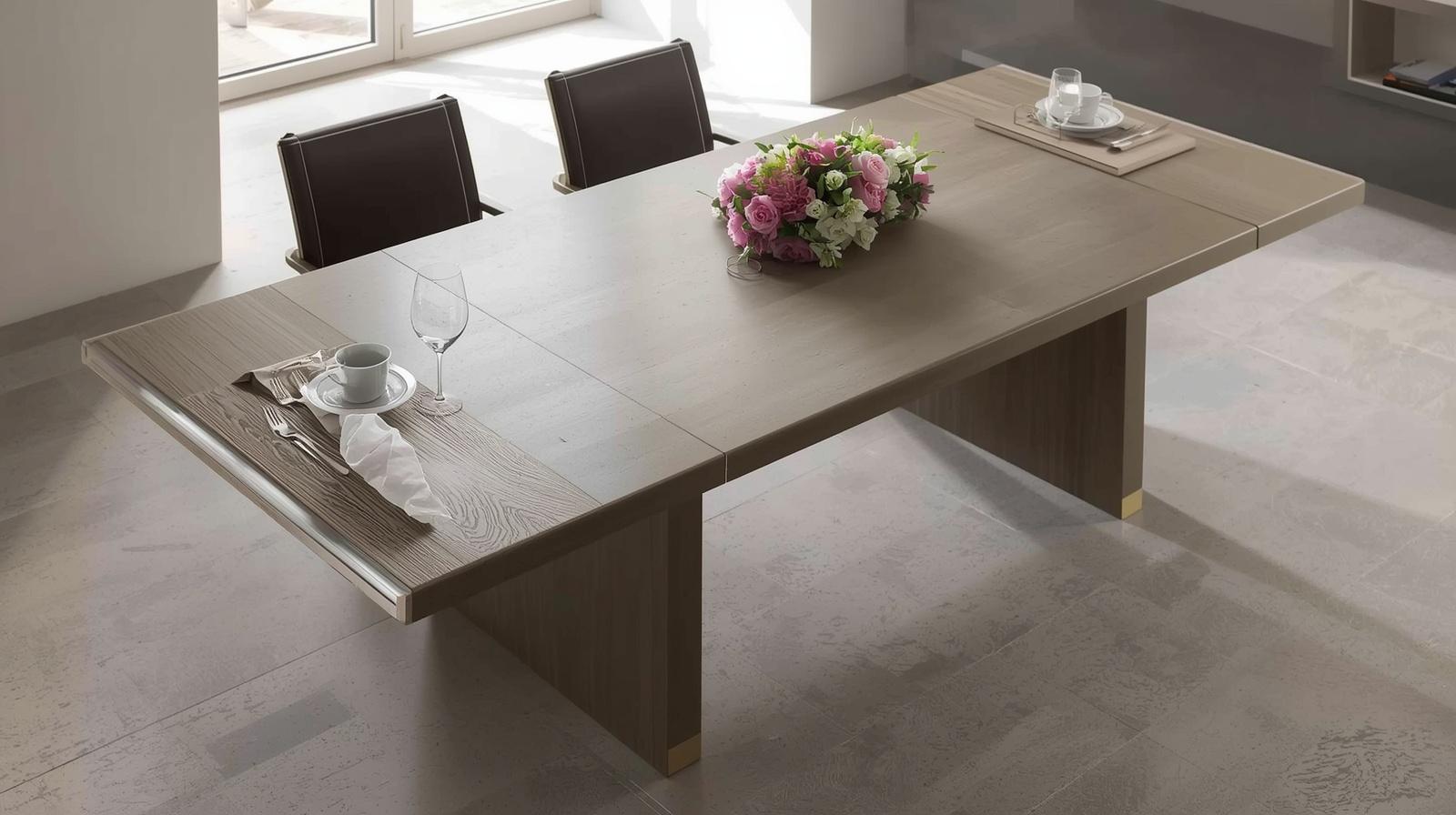
Expandable dining tables represent innovative solutions for modern living, combining functionality with style in space-conscious homes. These multifunctional furniture pieces adapt to varying needs—accommodating intimate dinners for two or hosting large gatherings comfortably. Whether you live in a compact apartment or want to maximize dining room efficiency, expandable dining tables offer flexibility without requiring additional floor space. This comprehensive guide explores expandable table types, selection criteria, style options, and maximizing space in dining areas. Understanding expandable dining table mechanics and choosing tables that match your lifestyle ensures smart furniture investments enhancing daily life. Modern expandable tables come in diverse styles, materials, and mechanisms, satisfying both contemporary and traditional design preferences while solving the perpetual challenge of limited dining space.
Types of Expandable Dining Table Mechanisms

Understanding different expansion mechanisms helps you select tables matching your specific needs. Drop-leaf tables feature hinged leaves folding down when not needed, ideal for space-saving. Extending tables have removable leaves inserted into table centers, simple yet requiring storage space for extra leaves. Butterfly mechanism tables expand smoothly via center support columns spreading outward. Sliding top tables feature surfaces that pull apart, with leaves inserting in the gap—this mechanism works silently and elegantly. Storage base expandable tables incorporate leaf storage within table bases, eliminating the need for separate storage. Lift-top expandable tables lift surface height while expanding horizontally. Each mechanism offers distinct advantages—drop-leaf provides easiest operation for frequent expansion while extending tables offer maximum expansion capacity. Consider your entertaining frequency, available space, and ease-of-use preferences when selecting expansion mechanisms.
Choosing the Perfect Expandable Dining Table for Your Space

Selecting expandable dining tables requires careful consideration of multiple factors. Measure your dining room thoroughly, accounting for clearance needed around tables—allow minimum 36 inches on all sides for comfortable seating and movement. Determine how many people you regularly entertain to establish required expanded dimensions. Consider whether you’ll expand frequently or occasionally; tables expanded regularly should feature smooth, easy mechanisms. Assess available space for storing additional leaves if using removable-leaf tables. Evaluate durability of expansion mechanisms—quality hardware ensures years of reliable function. Match table style to existing décor; expandable tables come in various finishes from rustic to modern. Consider seating compatibility—ensure chairs properly fit at both collapsed and expanded table widths. Budget considerations include initial cost plus potential maintenance for expansion mechanisms. Balancing these factors ensures you choose expandable dining tables perfect for your specific situation.
Material Options and Durability Considerations

Expandable dining table materials significantly impact durability, appearance, and maintenance requirements. Solid wood tables offer timeless beauty and exceptional durability, with tables lasting decades through proper care. Engineered wood provides budget-friendly options while maintaining attractive appearances, though less durable than solid wood. Glass tops create modern aesthetics and easy cleaning; they showcase table bases effectively. Metal frames add industrial or contemporary touches, often paired with wood or glass tops. Veneer-finished tables offer wood appearance at lower costs than solid wood. Consider your lifestyle—families with young children benefit from forgiving materials like engineered wood, while careful users can invest in fine hardwoods. Finish quality affects durability; tables with polyurethane finishes resist staining and scratching better than oil finishes. Understanding these material properties helps you select expandable dining tables matching your lifestyle, ensuring satisfaction for years.
Styling and Coordinating Expandable Dining Tables with Décor

Expandable dining tables serve as dining room focal points, making style coordination essential. Contemporary spaces benefit from clean-lined tables with metal bases and glass tops or light finishes. Traditional rooms accommodate ornate tables featuring detailed legs and warm wood finishes. Mid-century modern designs showcase tapered legs and walnut finishes reflecting the aesthetic. Scandinavian style features natural wood and minimalist designs emphasizing function. Industrial spaces pair metal frames with reclaimed wood tops. Farmhouse aesthetics work with rustic wood tables featuring distressed finishes. Pair expandable tables with coordinating chairs in complementary styles—mixing chair styles adds visual interest while maintaining cohesion. Area rugs define dining spaces, anchoring tables within larger rooms. Lighting fixtures above tables become design statements—chandeliers, pendant lights, or modern fixtures enhance ambiance. These coordinated design choices transform expandable dining tables from functional furniture into intentional style elements enhancing overall home aesthetics.