
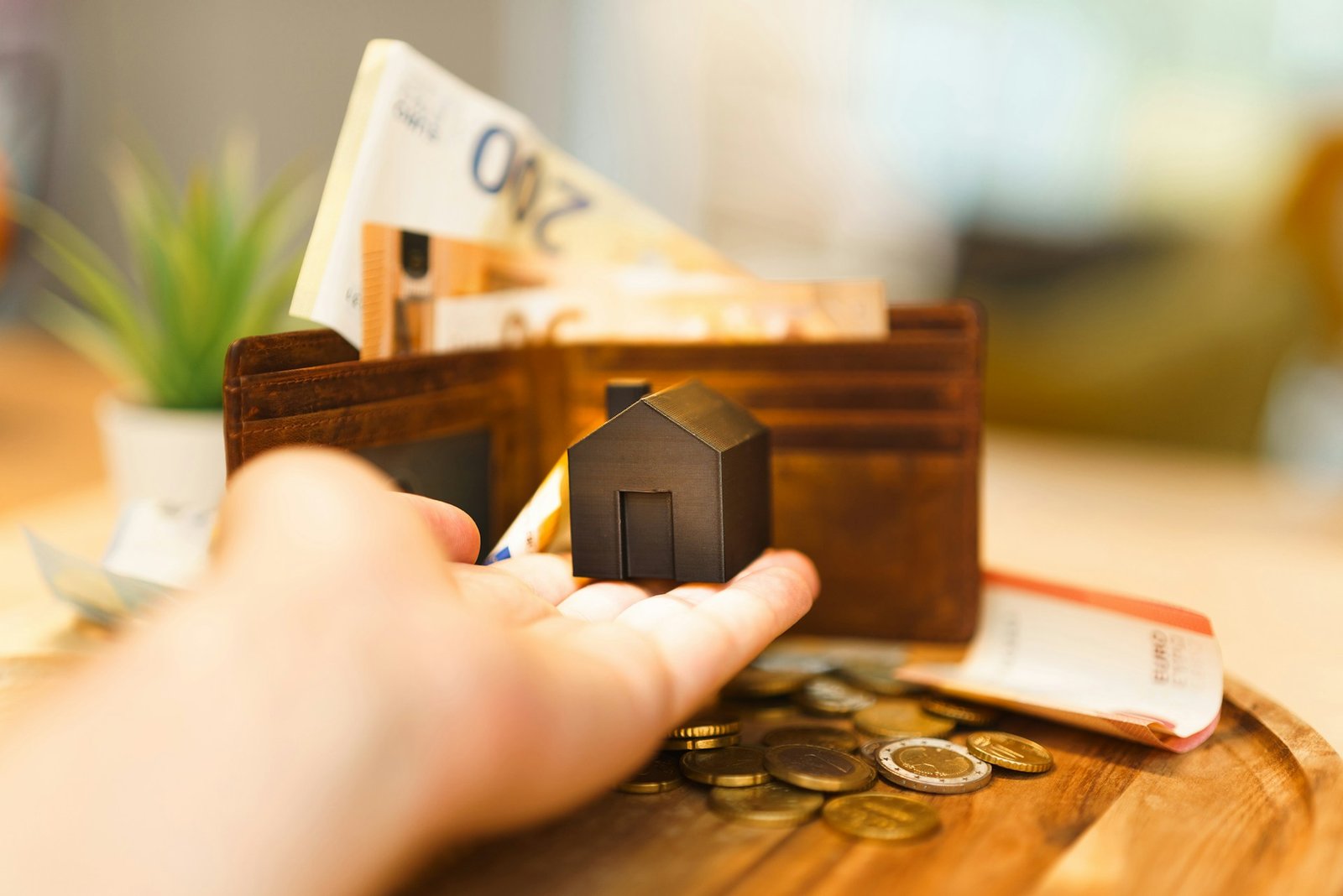
Selling a home quickly doesn’t necessarily mean accepting a lower offer. With the right pricing strategy, strong presentation, effective marketing, and careful negotiation, sellers can reduce the time their property spends on the market while protecting its value.
“After years of walking through listings, running comparables, and sitting across the table during tense negotiations, speed and profit are not enemies. Most sellers assume they have to sacrifice one for the other, but that simply isn’t true,” explain the experts at Empower Home Team, a residential real estate team serving Houston, TX.
The properties that attract serious buyers quickly usually have several things in common. They’re priced according to current market conditions, presented in a way that makes a strong first impression, and marketed where today’s buyers are actually looking.
If your goal is to sell your home fast, the following strategies can help you move from listing to closing without unnecessarily giving away money.
1. Set the Right Price From Day One
Pricing is one of the most important decisions you’ll make when selling a home. An asking price that’s significantly higher than comparable properties can discourage buyers before they even schedule a showing.
Start by reviewing recent sales of similar homes in your neighborhood. Look at properties with comparable sizes, features, locations, and overall condition. A qualified real estate professional can also help you understand current buyer demand and determine a realistic asking price.
Some sellers believe that starting with a high price gives them more room to negotiate. In practice, an overpriced home can remain on the market longer, become less attractive to buyers, and eventually require a price reduction.
A competitive price can create stronger early interest and potentially generate multiple offers. Before listing, you can also review practical ways to increase a property’s appeal and value, such as these home improvement strategies.
2. Improve Your Home’s First Impression
Buyers begin forming an opinion before they walk through the front door. Your property’s exterior, entryway, landscaping, and general appearance can influence whether someone feels excited about seeing the rest of the home.
Improving curb appeal doesn’t always require an expensive renovation. Trim overgrown landscaping, clean the driveway and walkways, remove unnecessary outdoor clutter, and consider giving the front door a fresh coat of paint.
Small details can make the property feel better maintained and more inviting.
Your goal should be to create an exterior that makes buyers want to see what’s inside. First impressions matter throughout the selling process, and thoughtful preparation can help your home stand out among competing listings.
3. Declutter and Stage Each Room
A home can look considerably smaller when rooms are filled with unnecessary furniture and personal belongings. Before listing, go through each room and remove anything that doesn’t contribute to the space.
Pay special attention to closets, cabinets, garages, and storage areas. Buyers often look inside these spaces, and crowded storage can make them question whether the home has enough room for their belongings.
Professional staging isn’t always necessary, but thoughtful preparation can make a noticeable difference. Use simple furniture arrangements, neutral decorations, and clean surfaces to make rooms feel open and functional.
The objective isn’t to make your home look empty. It’s to help buyers imagine how they could use each space themselves.
4. Invest in Better Listing Photos
Most buyers begin their search online, which means your listing photos often create the first real impression of your property.
Dark, blurry, poorly framed images can cause buyers to scroll past your listing. High-quality photography, on the other hand, can highlight the home’s best features and encourage more people to schedule a showing.
Photographs should show rooms accurately while making the property look bright, clean, and welcoming. Capture important areas such as the kitchen, living spaces, bedrooms, bathrooms, exterior, yard, and any standout features.
If possible, consider professional photography. The cost can be relatively small compared with the potential benefit of attracting more qualified buyers.
5. Use Multiple Marketing Channels
A strong listing should do more than sit on one real estate website. Today’s buyers may discover properties through search engines, social media, real estate platforms, email alerts, and referrals.
Your marketing strategy should make it easy for interested buyers to learn about the property and arrange a showing.
A well-written description should focus on meaningful benefits rather than simply listing features. Instead of saying a home has a large backyard, explain how that space could be useful for outdoor entertaining, gardening, or family activities.
Video tours and virtual walkthroughs can also help buyers understand the property’s layout before visiting in person.
6. Work With the Right Real Estate Professional
The person representing your property can have a significant influence on how efficiently the sale progresses.
When interviewing agents, don’t focus only on commission rates. Ask about their experience in your local market, marketing approach, communication style, average days on market, and ability to negotiate.
A good agent should be able to explain why they’re recommending a particular listing price and how they plan to attract qualified buyers.
Local knowledge is particularly valuable because real estate conditions can vary considerably between neighborhoods, even within the same city.
7. Make Repairs That Buyers Will Notice
You don’t necessarily need to remodel your entire home before selling. In many cases, addressing obvious maintenance problems can provide more value than making expensive cosmetic changes.
Fix leaking faucets, damaged doors, broken fixtures, loose handles, visible wall damage, and other issues that could make buyers think the property hasn’t been maintained.
A clean, functional home gives buyers greater confidence. If you’re considering larger improvements, discuss them with a real estate professional first so you can determine whether the expected return justifies the cost.
8. Make the Showing Experience Easy
Even a well-priced home can take longer to sell if buyers have difficulty viewing it.
Try to keep the property clean and ready for showings. Flexible scheduling can also increase the number of potential buyers who are able to visit.
During a showing, buyers should have enough space to walk through the home comfortably. Remove unnecessary personal items and avoid making the property feel crowded.
The easier it is for serious buyers to see the home, the greater your opportunity to receive an offer.
9. Prepare for Negotiations Before Offers Arrive
Receiving an offer is exciting, but the initial price isn’t the only factor you should consider.
Buyers may negotiate the purchase price, closing date, inspection requests, repairs, seller credits, or other terms. Before listing your property, decide which conditions matter most to you.
For example, a slightly lower offer with a favorable closing timeline and fewer contingencies might be more attractive than a higher offer with complicated conditions.
Knowing your priorities in advance can help you respond quickly without making emotional decisions.
10. Consider Market Timing
There isn’t one perfect time to sell every property. Local inventory, buyer demand, interest rates, employment conditions, and seasonal patterns can all affect the market.
Spring and early summer can bring increased activity in many markets, but that doesn’t mean sellers should automatically wait for those seasons.
If there are fewer competing properties available, listing during a slower period may also give your home greater visibility.
Rather than relying solely on general national trends, look at what’s happening in your specific neighborhood. Local market data can provide a much clearer picture of the best strategy.
11. Respond Quickly to Serious Buyers
Speed matters once your home is on the market. If a potential buyer has questions, delays in communication can create unnecessary friction.
Work with your agent to establish a process for reviewing inquiries, arranging showings, evaluating offers, and responding to requests.
When multiple buyers are interested, organized communication becomes even more important. Being prepared allows you to take advantage of genuine interest instead of letting opportunities disappear because of avoidable delays.
Final Thoughts
Selling quickly and protecting your home’s value don’t have to be competing goals. The key is preparation.
Start with an accurate price, improve the property’s presentation, use high-quality marketing, make sensible repairs, and prepare your negotiation strategy before offers arrive.
Most importantly, focus on what genuinely matters to today’s buyers. A home that looks well maintained, is priced competitively, and is marketed effectively has a much better chance of attracting serious interest.
When those pieces come together, you don’t have to choose between selling your home fast and getting a fair return. A smart selling strategy can help you work toward both.
 Robert
 CEO Asif