
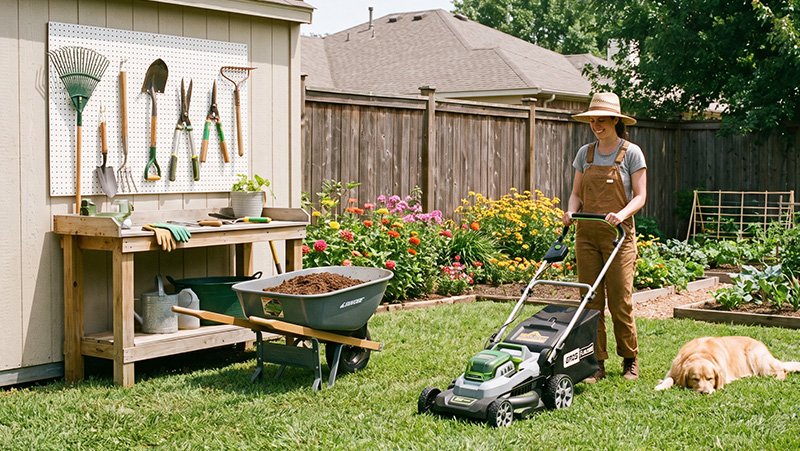
Yard work has a way of swallowing a weekend, and most of the lost time has little to do with the work itself. A changing season is the ideal moment to reset your yard and build a routine that keeps upkeep quick, because the real time-saver is preparation.
Start by gathering the essential tools and equipment like the mower, trimmer, rake, gloves, and bags. Make sure everything is clean and ready to use. Setting everything up ahead of time will keep you from repeatedly walking back to the garage or storage area for forgotten equipment. You can make weekend yard work more efficient by keeping frequently used tools together in one accessible location alongside a short tool checklist. Keep reading to learn how to prevent wasting time and instead make your yard maintenance more productive.
Follow a Simple Yard-Work Order
No matter the task, it’s better to establish an order that can make the whole job easier. Start by decluttering your yard by picking up branches, toys, and other debris. Once the yard is clear of debris, use a trimmer to define borders along walkways, fences, and garden beds, and run the mower across open turf.
Use a rake or a blower to clean up the grass clippings and fallen leaves. Finish by cleaning up the garden beds and doing smaller clean-up jobs like removing weeds or small debris from corners. You can readjust the order of these tasks according to your yard’s layout, but settle on a routine that puts cleanup last. That way, the mower and the trimmer never leave a fresh mess behind you.
Keep Your Lawn Mower Rolling Smoothly
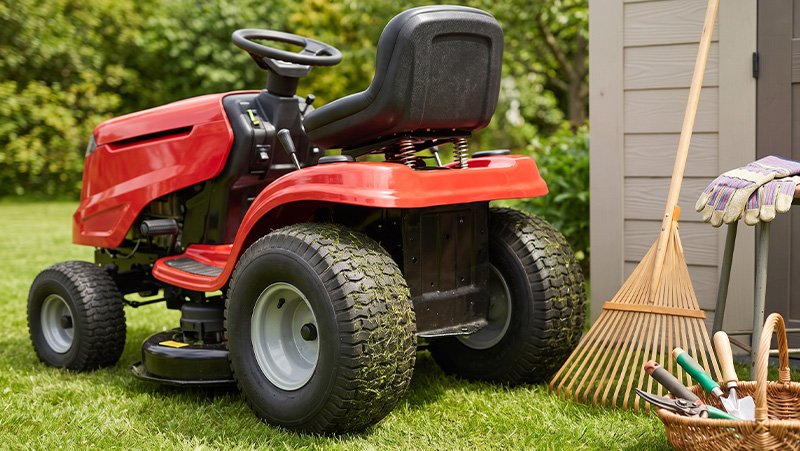
Considering your lawn mower is probably the most important piece of equipment, make sure it’s running properly – especially if it has been sitting unused. To ensure it’s rolling smoothly, carefully inspect the tires and look for obvious signs of wear, damage, or underinflation.
Keep in mind that poorly maintained tires can make maneuvering the mower more difficult, while properly cared-for lawn mower tires help the mower move more smoothly across the yard. If you notice the tires are visibly damaged or badly worn, check the manufacturer’s instructions on when and how to replace them instead of trying to work around the problem.
Divide the Yard Into Smaller Jobs
To avoid spending the whole weekend working in your yard, create a short, consistent maintenance routine that allows you to work in zones, rather than trying to tackle everything at once. Divide larger jobs into manageable sections by using one weekend for mowing and edging, another to focus on garden beds and pruning, then the next to clean up your outdoor kitchen area. This makes cleanup and maintenance especially convenient for larger yards and busy homeowners.
Make Cleanup Easier
Typically, cleanup feels like a separate task that makes a job feel longer than it actually is. To make yard work easier, make cleanup a part of the routine. Instead of creating one huge pile of grass cuttings, leaves, branches, and other debris, deal with it as you go. Set up a tarp to collect the debris and keep yard-waste bags or a compost area nearby.
Similarly, keep a rake and an outdoor broom easily accessible. This way, you can set up a cut-and-clean yard care routine that will not take too much of your time. Remember to always clean the tools after use so they’re ready for the next weekend.
Choose Low-Maintenance Plants and Ground Cover
If you are planning to plant or switch up existing plants, choose those that will help you reduce future work. Instead of planting exotic plants that will struggle in your region and require special care and constant pruning, choose ones that are suited to the local climate and conditions. It’s best to plant native or drought-tolerant plants as they require less maintenance.
Simplify your watering routine by grouping plants with matching moisture requirements into the same garden beds. Be sure to spread a generous amount of mulch across garden beds to retain moisture, regulate root temperature during extreme heat or cold, and reduce weeds.
Create a 30-Minute Weekly Maintenance Routine
Aside from sectioning up your yard, you can develop an additional strategy that will help keep it in good condition. Try setting up a 30-minute weekend checklist for a quick reset that keeps yard clutter from piling up. Take ten minutes to inspect the lawn and pick up any debris like smaller branches. Use ten minutes to handle any obvious weeds, clean up garden beds, and do some light pruning. The last ten minutes can be used for checking the tools, mower, hoses, and doing a general inspection of the outdoors to confirm there are no major problems.
Conclusion
Tackling yard work shouldn’t mean sacrificing your entire weekend. By being well-prepared and consistent, yard work can become much easier. You don’t necessarily need expensive equipment or a major landscaping project. Instead, focus on better organization and setting up a predictable routine. Keeping your equipment, like the lawn mower, properly maintained and choosing low-care plants drastically reduces long-term labor.
If you are not sure where to start, choose one or two tips to implement during the next weekend. You will immediately reduce your workload, and after that, you simply need to stay ahead of the clutter and keep a quick, predictable routine.