
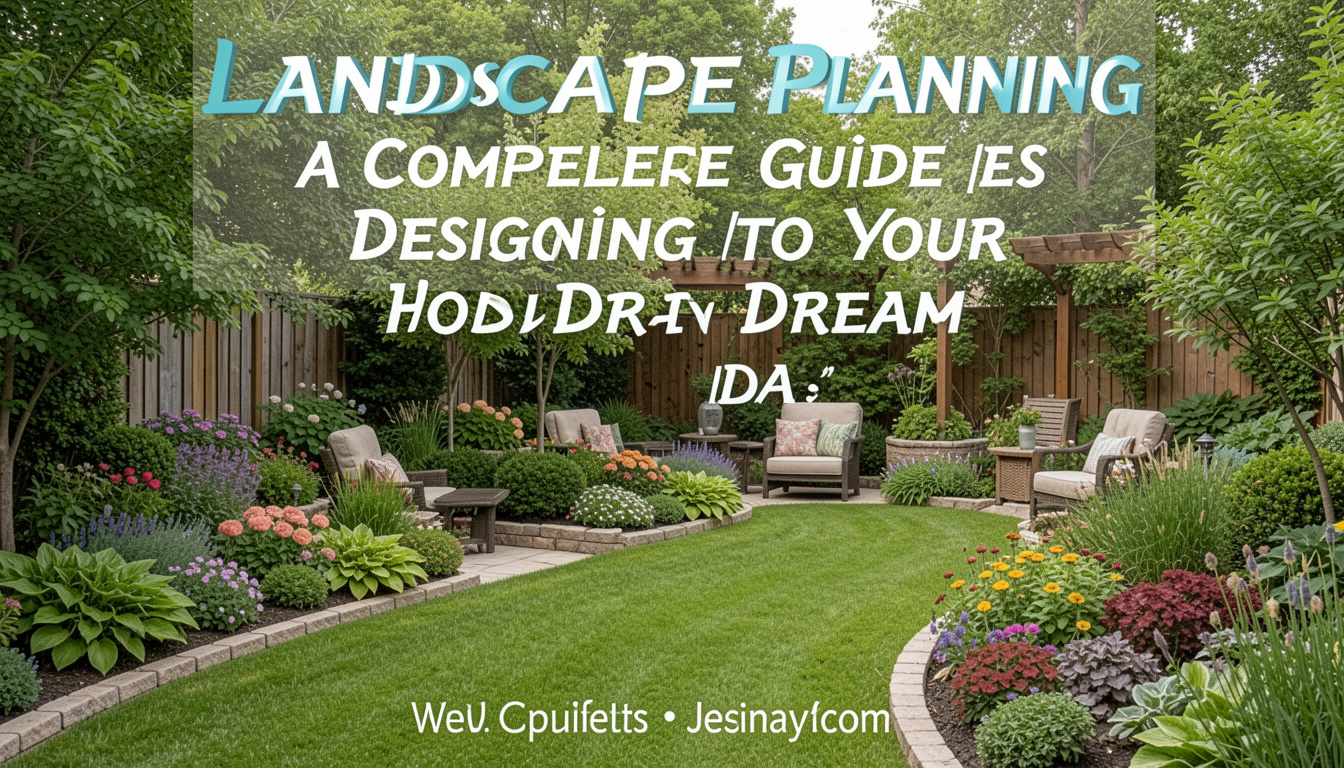
Introduction
A thoughtfully planned landscape enhances your home’s beauty, improves functionality, and increases property value. The best landscape planning ideas begin with understanding how you want to use your outdoor space before choosing plants, patios, or decorative features. Whether you’re designing a front yard to boost curb appeal or creating a peaceful backyard retreat, careful planning saves time, reduces maintenance, and helps avoid costly mistakes. A successful landscape combines greenery, hardscaping, lighting, and comfortable outdoor living areas into one cohesive design. By following practical landscaping principles and making informed decisions, homeowners can create outdoor environments that remain attractive, functional, and enjoyable throughout every season.
Start with a Detailed Landscape Design Plan
Every successful landscaping project starts with a clear vision. Before purchasing materials or plants, evaluate your property’s size, layout, sunlight exposure, soil conditions, and drainage patterns.
Sketch a simple site plan that includes your home’s footprint, existing trees, driveways, fences, patios, and utility lines. This visual guide helps you determine where new features should be placed while avoiding future problems.
Next, divide your yard into functional zones based on how you intend to use the space. Common areas include outdoor dining, relaxation spaces, children’s play areas, vegetable gardens, flower beds, and entertainment zones.
Think about how people naturally move through your yard. Wide pathways improve accessibility while preventing unnecessary wear on lawns.
Always consider the mature size of plants instead of their appearance when purchased. Allowing enough room for future growth prevents overcrowding and reduces maintenance later.
Planning every element before construction begins leads to a more organized, balanced, and visually appealing landscape.
Select Plants That Thrive in Your Climate
Choosing the right plants is essential for creating a healthy, sustainable landscape. Plants that naturally adapt to your local climate require less watering, fertilizer, and maintenance than species suited to different environments.
Native trees, shrubs, grasses, and flowering plants support local wildlife while providing year-round beauty. Mixing evergreen plants with seasonal flowers creates visual interest regardless of the season.
Layer your landscaping by placing taller trees in the background, medium-sized shrubs in the middle, and colorful flowers or ground covers along pathways and borders.
Pay attention to each plant’s sunlight and water requirements before grouping them together. Plants with similar needs are easier to maintain and perform better over time.
Incorporating ornamental grasses, flowering perennials, and drought-tolerant species creates texture while reducing irrigation needs.
Healthy soil plays an equally important role. Enrich garden beds with compost before planting to improve drainage, encourage root development, and support long-term plant health.
Selecting suitable plants ensures your landscape remains vibrant while minimizing maintenance costs.
Incorporate Functional Hardscaping Features
Hardscaping provides structure and functionality while complementing natural landscaping. Features such as patios, pathways, retaining walls, pergolas, and decorative stone help organize outdoor spaces and improve usability.
Patios create outdoor living rooms where families can relax, dine, or entertain guests. Choose durable materials such as concrete pavers, natural stone, or brick that match your home’s architectural style.
Walkways guide visitors safely throughout the property while connecting different landscape zones. Curved pathways often create a softer, more natural appearance than straight lines.
Retaining walls help stabilize sloped landscapes while adding visual interest. Decorative edging around flower beds creates clean lines that make maintenance easier.
Pergolas and gazebos provide shade while defining seating or dining areas. Fire pits, outdoor kitchens, and water features further enhance outdoor living by encouraging year-round enjoyment.
Balancing hardscape with softscape elements prevents your yard from appearing overly built while maintaining a comfortable, natural feel.
Maintain Your Landscape for Long-Term Success
Beautiful landscapes require ongoing care to preserve their appearance and health. Developing a seasonal maintenance routine protects your investment while reducing future repair costs.
Water plants deeply rather than frequently to encourage strong root systems. Early morning irrigation minimizes evaporation and lowers the risk of plant diseases.
Apply fresh mulch annually to conserve moisture, regulate soil temperature, and suppress weeds. Remove dead leaves, spent flowers, and damaged branches regularly to promote healthy growth.
Inspect irrigation systems each season to identify leaks or clogged sprinkler heads. Fertilize according to each plant’s specific requirements instead of applying one product universally.
Prune shrubs and trees to maintain shape, improve airflow, and remove diseased branches. Clean patios, walkways, and outdoor furniture to preserve their appearance throughout the year.
Regular inspections allow homeowners to identify pest problems before they spread. Addressing small issues early prevents costly landscape damage while maintaining an attractive outdoor environment.
Consistent maintenance keeps your landscape healthy, functional, and beautiful for years to come.
Conclusion
Implementing thoughtful landscape planning ideas helps homeowners create outdoor spaces that combine beauty, comfort, and practicality. Careful planning, selecting climate-appropriate plants, incorporating durable hardscaping, and following a consistent maintenance schedule form the foundation of every successful landscape. Whether you’re redesigning a small garden or transforming an entire property, taking a strategic approach ensures lasting results. By investing time in planning today, you’ll enjoy a healthier, more attractive outdoor environment that enhances your lifestyle while increasing the value and curb appeal of your home for many years.
Frequently Asked Questions
1. What are landscape planning ideas?
Landscape planning ideas are strategies for designing outdoor spaces that balance aesthetics, functionality, and long-term maintenance.
2. How do I start planning my landscape?
Measure your yard, observe sunlight patterns, test the soil, and create a simple layout before purchasing plants or materials.
3. Why should I use native plants?
Native plants require less water, adapt better to local climates, and support beneficial wildlife and pollinators.
4. What is hardscaping?
Hardscaping includes non-living landscape elements such as patios, pathways, retaining walls, decks, pergolas, and decorative stone.
5. How often should I mulch my garden?
Most gardens benefit from applying fresh mulch once each year, usually in spring.
6. What materials are best for backyard patios?
Concrete pavers, natural stone, brick, and stamped concrete are durable, attractive patio materials.
7. How can I reduce landscape maintenance?
Choose native plants, install mulch, group plants with similar water needs, and maintain a regular care schedule.
8. Does professional landscape planning increase property value?
Yes. Well-designed landscaping improves curb appeal, enhances outdoor living, and can significantly increase a home’s resale value.