
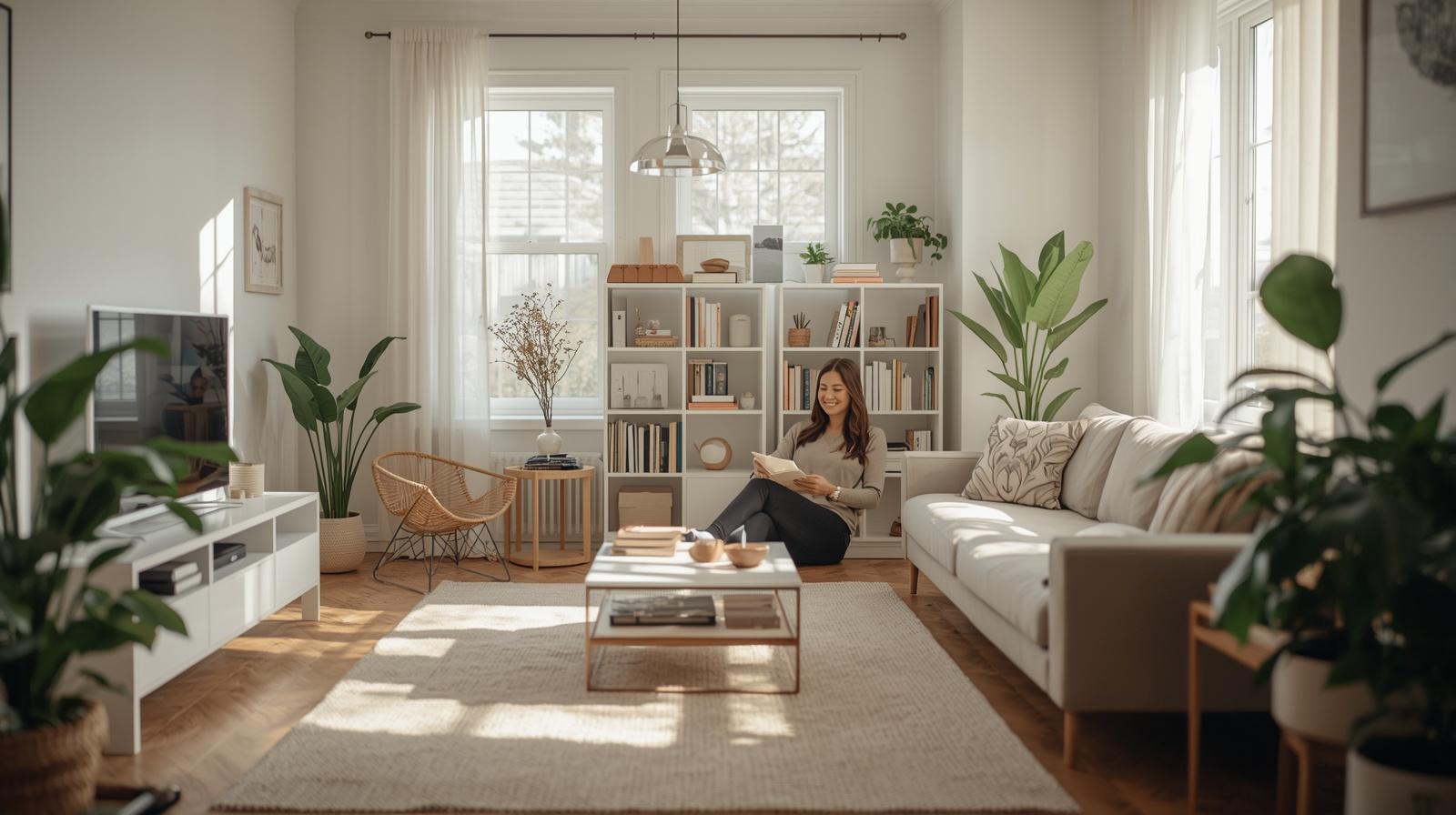
Ever walked into a room and felt instantly drained, like the mess itself was sucking the energy right out of you? Maybe it’s a pile of laundry, a cluttered desk, or just stuff scattered around the living room. It’s not just in your head—clutter can actually affect your mood, your focus, and even your energy levels. And the crazy part is, the solution is often simpler than you think.
Decluttering isn’t just about making your home look neat. It’s about creating space for calm, clarity, and even productivity. When your surroundings feel lighter, your mind tends to follow. So, how do you start? And more importantly, why does decluttering actually make such a difference? Let’s break it down.
The Hidden Toll of Clutter
Clutter isn’t just “stuff.” It’s visual noise. And like noise, it wears on your brain without you even realizing it. Studies have shown that clutter can increase stress levels and even make it harder to concentrate. Ever noticed how you feel more anxious when your desk is covered in papers? That’s not coincidence—it’s your brain reacting to constant visual input.
Clutter can also affect decision-making. Too many choices, too many distractions—it adds up. It’s exhausting. Maybe you’ve felt it before, that subtle frustration that creeps in when you can’t find your keys or the phone charger you “just had.” That’s clutter silently stealing your energy, and honestly, it’s tougher to notice until it’s gone.
So, what can you do about it? Understanding the impact is the first step. The next is taking action—and that’s where the real magic begins.
Decluttering Boosts Happiness
There’s something almost instantly satisfying about clearing a space. Whether it’s a single drawer or your whole living room, that “aha” moment when you realize the area is organized can feel like a small victory. And small victories matter. They add up.
When you declutter, you’re not just creating physical space—you’re creating emotional space. You’re telling your brain, “It’s okay, I’ve got this under control.” That mental clarity can lead to better moods and even reduce anxiety.
And here’s the thing: decluttering doesn’t have to be overwhelming. Start with something small. A drawer, a shelf, a countertop. Even moving a few items outdoors into a small, well-organized storage sheds can instantly make your backyard feel calmer and more inviting. You’re creating order, but without forcing a massive overhaul.
Think about it—how much happier would you feel if the spaces around you reflected a sense of peace instead of chaos? It’s surprising how much a little organization can shift your entire outlook.
Decluttering Enhances Productivity
It’s not just about feeling good. Decluttering directly impacts how much you can get done. When your space is organized, your mind is free to focus. Tasks feel less daunting, and starting them becomes easier.
Here’s a simple example: imagine sitting down at your desk to write an important email or work on a project. If the desk is buried under papers, mugs, and random gadgets, part of your brain is already busy processing the chaos. You’re mentally juggling everything before you even start the actual work.
Decluttering eliminates that mental clutter. It’s like giving your brain a clear workspace. And when your mind is clear, productivity skyrockets. You’ll notice you can focus longer, finish tasks faster, and even enjoy the process more.
So ask yourself: What could you achieve if your space supported your focus instead of distracting you?
Practical Steps to Declutter Your Life
Alright, let’s get practical. Decluttering isn’t about dumping stuff in the trash or obsessively rearranging things. It’s about creating systems that make your life easier and more enjoyable. Here’s how to start:
1. Assess Your Space
Take a good look at your home or office. What areas are causing stress or distraction? Is it the kitchen counter? A cluttered closet? Maybe it’s that pile of boxes in the garage that never seems to shrink. Identifying the hotspots is the first step.
2. Sort and Simplify
Create three piles: keep, donate, and discard. Be honest. If you haven’t used something in the past year, chances are you don’t need it. That old exercise bike? The half-empty box of cables? Let it go. It’s freeing, trust me.
3. Organize Thoughtfully
Once you’ve decided what to keep, give everything a home. Use bins, shelves, or drawers—whatever makes sense for your space. The goal isn’t just to hide clutter, it’s to make your life easier. And don’t be afraid to use outdoor solutions too. For items you don’t use every day but still want to keep, moving them into a well-placed storageor similar setup keeps them accessible without crowding your main living space.
4. Maintain a Routine
Decluttering isn’t a one-time event. It’s a habit. Spend just 10–15 minutes a day putting things back where they belong. A few minutes of upkeep prevents small messes from becoming overwhelming piles.
Small, consistent actions make a huge difference over time. And the mental payoff? Incredible. You’ll feel lighter, calmer, and more in control of your life.
Decluttering Beyond Physical Space
Here’s something people often overlook: clutter isn’t just physical. Your mind can get cluttered too. Emails piling up, endless notifications, commitments that no longer serve you—these all weigh you down just like a messy room.
Digital decluttering is just as important. Try cleaning your inbox, unsubscribing from newsletters you never read, or organizing files on your computer. Your brain responds the same way it does to physical clutter: the more organized your digital life, the more mental space you have to focus and think clearly.
You can also declutter your schedule. Ask yourself: Which commitments actually bring value, and which are just draining energy? Saying no can be liberating. Pair this with physical decluttering, and you’ll notice a big shift in both mood and productivity.
Sometimes letting go of old habits is as freeing as clearing out an overstuffed closet. And honestly, it’s often harder—but the payoff is worth it.
The Emotional and Psychological Payoff
Decluttering isn’t just about neatness. It’s about control, peace, and freedom. A clean, organized environment sends signals to your brain that you’re capable, calm, and ready to handle whatever comes your way.
You might even find that decluttering has ripple effects in unexpected areas of your life. You may sleep better because your bedroom feels calmer. Hosting friends can become less stressful when your home is organized and ready for guests. In some cases, productivity at work may improve because your mind is no longer distracted by unfinished tasks.
All of this starts with small steps. A drawer here, a closet there, a thoughtful system for outdoor items. And over time, these small steps add up to a life that feels lighter and more manageable.
Taking the First Step
So, how do you start? Pick one area that frustrates you. Just one. Don’t overwhelm yourself. Clear it, organize it, and notice how it feels. That first victory is addictive.
Then, keep going. Tackle another small area tomorrow, or next week. Consistency matters more than intensity. And remember: the goal isn’t perfection. It’s progress. Every small decluttering decision is a step toward a happier, more productive life.
Decluttering changes your environment, but it also changes your mindset. You’re more present. More focused. More capable of enjoying the spaces around you. And sometimes, the simplest solution—like moving seasonal items into a shed—can create that extra room for calm and clarity you didn’t even know you needed.
Conclusion
Decluttering is powerful. It can lift a weight off your shoulders, clear your mind, and even boost your happiness and productivity. The beauty is that it doesn’t require a massive overhaul. Start small, create systems that make sense, and maintain them consistently.
Ask yourself: Which corner of your life could feel lighter today if you simply cleared it out?
Take that first step. Move an item, clear a drawer, or tidy a space you’ve been avoiding. You’ll be surprised how much brighter and more focused life feels when the clutter is gone.
It’s not just about having a tidy home—it’s about creating a life that feels intentional, calm, and productive. And honestly, isn’t that the kind of life we’re all chasing?
 CEO Asif