
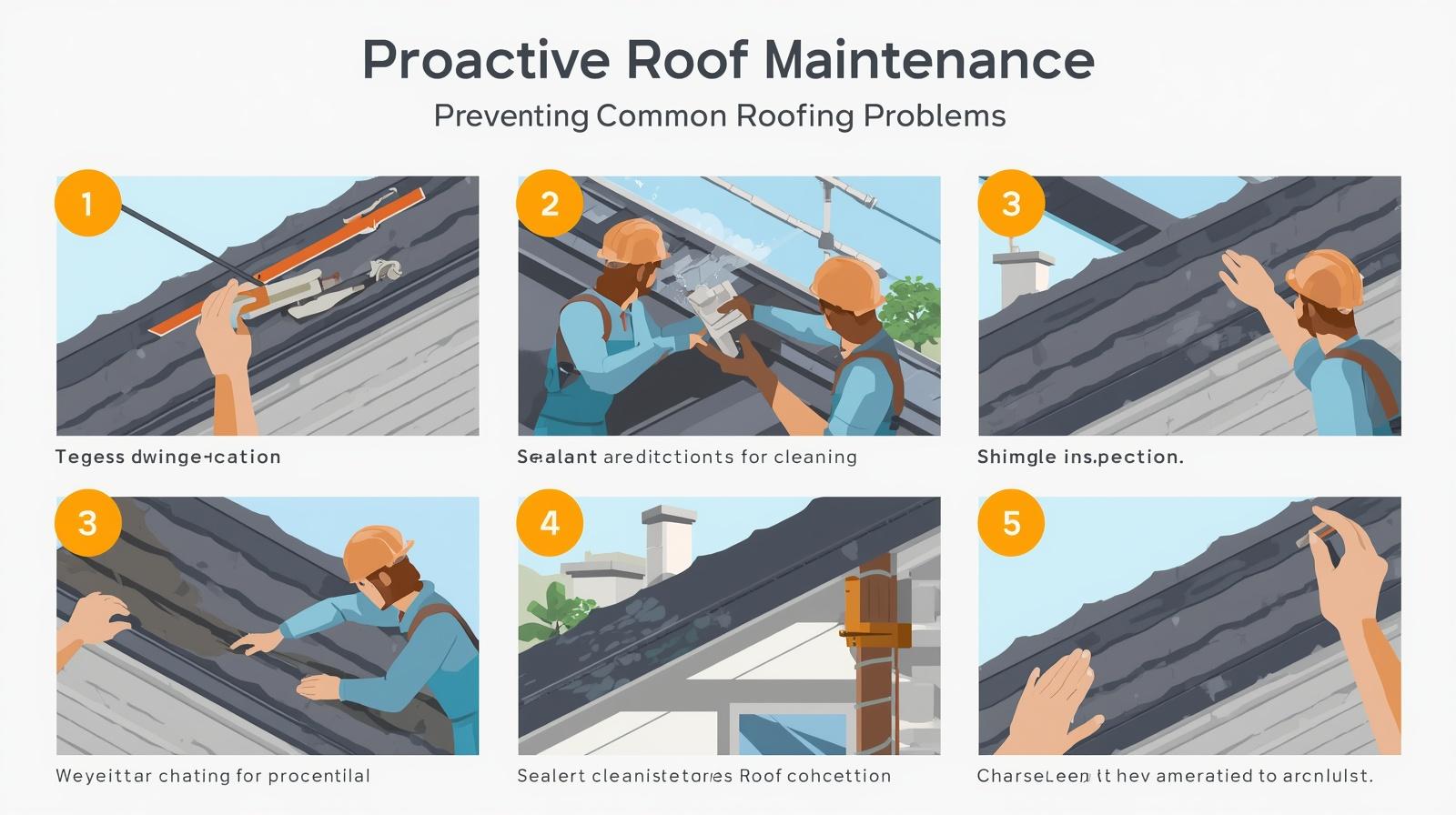
Key Takeaways
- Frequent inspections reveal minor roofing issues early, reducing the risk of major damage.
- Proper attic ventilation and insulation are essential for moisture control and temperature regulation.
- Clean, efficient gutters are crucial for water diversion and overall roof health.
- Trimming back overhanging branches and performing minor repairs promptly maintain the roof’s integrity.
- Routine flashing checks and ice dam prevention protect against leaks in vulnerable areas.
Proper roof maintenance is a vital aspect of homeownership that ensures your home remains protected from the harsh elements of the Pacific Northwest. Whether you recently invested in a new roof or want to maximize the lifespan of your existing one, establishing a routine maintenance plan is key. Homeowners who keep their roofing system in top shape not only avoid unexpected, costly repairs but also preserve the value and comfort of their home. To address any emerging issues swiftly and efficiently, accessing professional services for roof repair Seattle can make all the difference in maintaining the structural integrity of your property.
By focusing on regular inspections, optimal ventilation, and prompt repairs, you can prevent most roof-related headaches before they arise. Implementing a few proactive strategies helps you spot minor issues before they escalate into more serious problems. This detailed guide outlines the steps every homeowner should follow to keep their roof ready for any season. Early attention to your roof’s needs ensures peace of mind year-round.
Schedule Regular Roof Inspections
One of the most effective ways to prevent significant roofing problems is to schedule thorough roof inspections twice a year, ideally in spring and fall. Each inspection should include a close examination of shingles for signs of curling, cracking, or missing pieces, as well as an assessment of the flashing and roof valleys for debris and potential leaks. If your area experiences severe windstorms, hail, or heavy rainfall, an additional inspection afterward can help quickly identify weather-induced damage. By catching minor issues early, homeowners avoid more substantial repairs and prolong their roof’s lifespan.
Ensure Proper Attic Ventilation and Insulation
Maintaining balanced attic ventilation and sufficient insulation is crucial for roof longevity. Proper airflow inside your attic helps regulate temperature extremes and mitigates moisture buildup, both of which can accelerate roof deterioration. In colder climates, effective insulation and ventilation prevent the formation of damaging ice dams, while in warmer months, they protect shingles from excessive heat. The combination of these factors reduces the risk of mold growth, wood rot, and shingle warping, all of which are commonly associated with poor attic conditions. Studies cited by prominent publications such as Better Homes & Gardens suggest regular ventilation checks as a core component of roof maintenance.
Maintain Clean and Functional Gutters
Clogged gutters are a leading cause of water-related roof and foundation problems. Leaves, twigs, and other debris can block the flow of water, forcing it to pool on the roof or spill over the sides, eventually finding its way into soffits, fascia, or the home’s foundation. It’s important to clean gutters and downspouts at least twice per year, especially after leaf-heavy autumns or windy storms. Installing gutter guards can significantly reduce debris accumulation and the manual labor required to keep gutters clear. Routine cleaning safeguards your entire roofing system and minimizes the risk of water damage.
Trim Overhanging Tree Branches
Trees near the house can create a picturesque landscape, but their branches pose a significant threat to your roof. Overhanging limbs can scrape roofing materials, loosen shingles, and create direct pathways for animals like squirrels and raccoons. In addition, falling leaves and twigs add to gutter blockages and trap moisture, accelerating wear and the growth of moss or algae. Regularly trimming back branches not only protects your roof from physical damage but also reduces maintenance needs and prevents wildlife infiltration.
Address Minor Repairs Promptly
The key to a long-lasting roofing system is promptly addressing small issues, such as a single missing shingle or slightly warped flashing. Even seemingly insignificant leaks can quickly spread, causing decay in the roof deck or structural supports beneath. According to home renovation experts at HGTV, early intervention is far less expensive than allowing damage to progress unchecked. If you spot a problem but lack the expertise to fix it yourself, bring in a professional roofer to ensure repairs are correctly performed and avoid future complications.
Install and Maintain Roof Flashing
Flashing acts as a waterproof sealant around vulnerable roof intersections, such as skylights, vents, and chimneys. Over time, flashing can deteriorate due to rust, shifting materials, or failed adhesives, making its maintenance a critical aspect of your roof care routine. Schedule regular checks for any separated, bent, or missing flashing pieces, and address any issues right away to prevent leaks. Properly maintained flashing is your first line of defense against water intrusion.
Prevent Ice Dams in Winter
Ice dams form when heat from the attic causes snow to melt and refreeze at the roof’s edge, creating a barrier that traps water. This water can back up under shingles, leading to interior leaks and water damage. Avoiding ice dams requires the right combination of attic insulation and ventilation to keep roof temperatures steady and encourage thorough drainage. In regions with heavy snowfall, consider a roof rake to remove excess snow after a storm and minimize the risk of ice dam formation.
Conclusion
A comprehensive roof maintenance strategy is the best way to protect your home from common roofing issues and ensure your roof’s longevity. Regular inspections, cleaning gutters, maintaining ventilation, and promptly addressing minor repairs all add years to your roofing system. Taking these steps helps you avoid costly problems and keeps your home safe and dry in any season.
 CEO Asif