Creating a more sustainable home no longer means sacrificing style, comfort or quality. Today’s homeowners are increasingly looking for practical ways to reduce their environmental impact while improving the appearance and functionality of their living spaces. From choosing renewable materials to upgrading inefficient systems, there are countless opportunities to embrace greener living.
The best part is that many green home improvement projects deliver long-term value. They can lower utility costs, reduce waste and create healthier indoor and outdoor environments. Whether you’re planning a major renovation or making small changes over time, thoughtful decisions can make a meaningful difference.
Start with energy efficiency
One of the most effective sustainable home upgrades is improving your home’s energy performance. Older homes often lose significant amounts of energy through poor insulation, outdated windows and inefficient appliances.
Simple changes can have a noticeable impact. Replacing traditional light bulbs with LED alternatives, installing a programmable thermostat and upgrading to Energy Star-certified appliances are all examples of energy-efficient home improvements that can help reduce energy consumption throughout the year.
For larger renovation projects, consider adding additional insulation to attics and walls or replacing aging windows with high-performance models. These investments not only reduce energy waste but can also make indoor spaces more comfortable in every season.
Choose sustainable exterior materials
When planning a low-impact home renovation, the materials you select matter just as much as the design itself. Traditional building products often require significant natural resources and energy to manufacture, while sustainable alternatives can offer comparable or superior performance with a smaller environmental footprint.
Bamboo has become an increasingly popular option for exterior applications due to its rapid renewability and impressive durability. Products such as bamboo decking boards provide homeowners, builders and designers with a stylish exterior solution that combines contemporary aesthetics with long-lasting performance.
Unlike many conventional materials, bamboo siding offers the visual warmth of natural wood while supporting environmentally conscious construction practices. It’s an excellent example of how sustainable building materials can contribute to both beauty and functionality.
Incorporate natural materials indoors
A natural home improvement approach often begins inside the home. Materials sourced from renewable or recycled resources can help create spaces that feel welcoming while reducing environmental impact.
Consider incorporating:
- Reclaimed wood for shelving, accent walls or furniture
- Cork flooring sourced from renewable bark harvesting
- Natural stone for countertops and decorative features
- Low-VOC paints and finishes that improve indoor air quality
These environmentally friendly upgrades can add character and texture to a space while supporting healthier living conditions for occupants.
Upgrade water efficiency
Water conservation is an important part of any green living home strategy. Many households use more water than necessary due to outdated fixtures and inefficient landscaping practices.
Modern water-saving technologies make conservation easier than ever. Low-flow faucets, showerheads and dual-flush toilets can significantly reduce water usage without compromising performance.
Outdoor improvements can also have a major impact. Replacing thirsty lawns with drought-tolerant plants, installing rain barrels or using drip irrigation systems can help minimize water waste while maintaining an attractive landscape. These sustainable household upgrades are often affordable and can generate savings over time through lower utility bills.
Make smarter renovation choices
Not every renovation needs to involve tearing everything out and starting from scratch. In many cases, preserving existing materials can be one of the most sustainable decisions available.
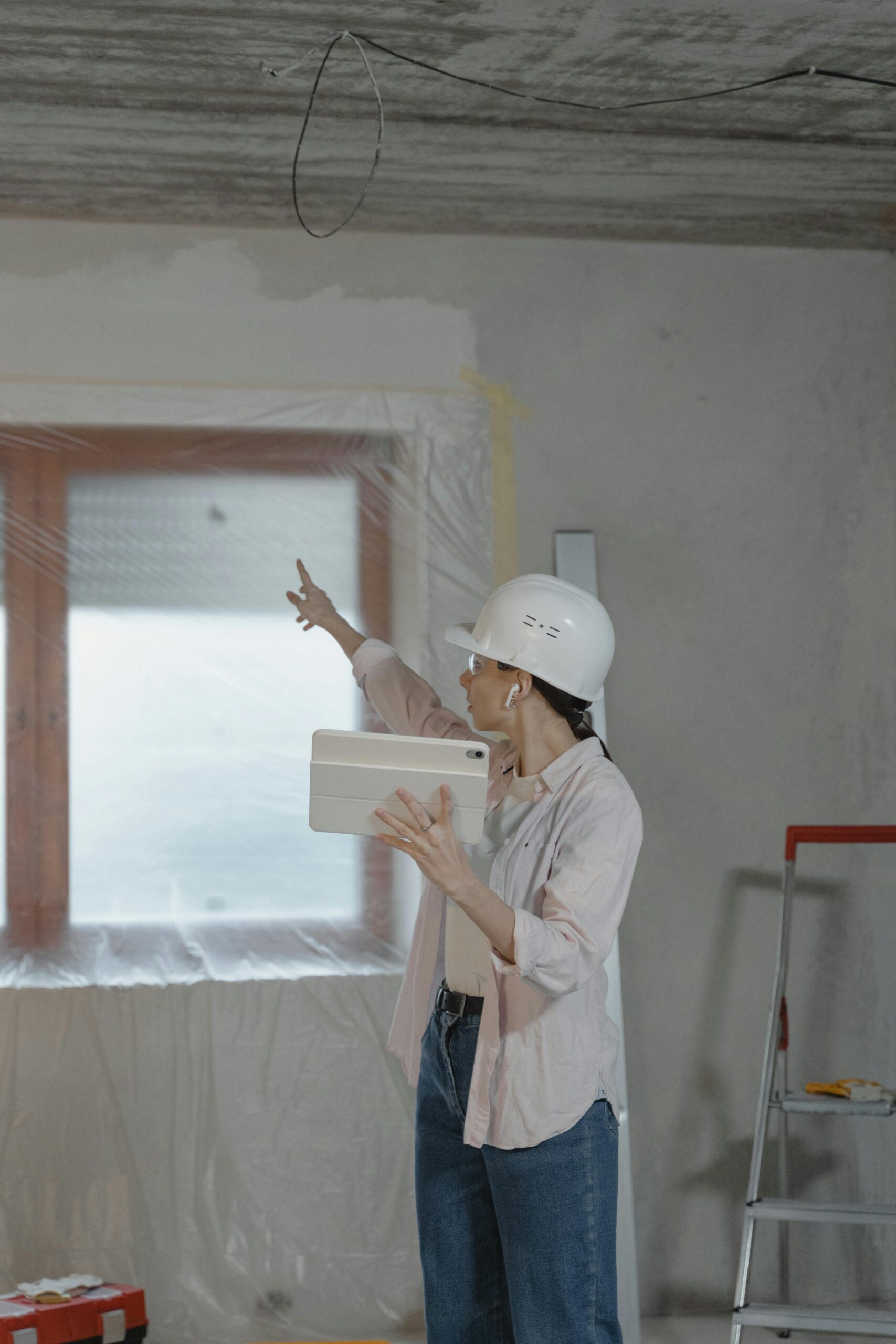
Before replacing cabinetry, flooring or fixtures, evaluate whether they can be refinished, repaired or repurposed. Extending the lifespan of existing materials reduces landfill waste and lowers demand for new manufacturing.
Some eco-friendly renovation ideas include:
- Refinishing hardwood floors instead of replacing them
- Updating cabinet doors rather than installing entirely new cabinetry
- Repurposing salvaged materials for decorative features
- Donating reusable materials during renovation projects
Small choices like these can contribute to a more responsible and resource-efficient remodeling process.
Create outdoor spaces with sustainability in mind
Outdoor living areas continue to be a priority for homeowners, and they present excellent opportunities for green design. Sustainable decking, responsibly sourced materials and native landscaping can all help reduce environmental impact while enhancing curb appeal.
Bamboo siding, decking and other renewable exterior products are increasingly being incorporated into modern residential designs because they combine durability with sustainability. When paired with thoughtful landscaping and energy-efficient lighting, these materials can help create outdoor environments that are both beautiful and environmentally responsible.
A greener home for the future
For eco-conscious homeowners, sustainability is about making informed choices that balance performance, aesthetics and environmental responsibility. Whether through energy-efficient home improvements, renewable building materials or water-saving technologies, every upgrade contributes to a more sustainable future.
The good news is that green home improvement projects no longer require compromise. Today’s innovative materials and design solutions make it possible to create homes that are elegant, efficient and built to last. By embracing sustainable home upgrades and carefully selecting environmentally friendly upgrades, homeowners can enjoy spaces that reflect both their personal style and their commitment to responsible living.