
Introduction
A well-designed home is more than a place to live—it is a space where people relax, work, connect with family, and create lasting memories. This is exactly why interior design is so important in today’s modern lifestyle. Interior design combines creativity, planning, and functionality to create living spaces that improve comfort, organization, and overall well-being. Every detail, from furniture placement and lighting to color selection and storage solutions, plays an essential role in making a home both beautiful and practical.
Many homeowners believe interior design is only about luxury or expensive decoration, but professional design is actually about making smart choices that improve daily living. Whether you are decorating a new home, remodeling an older property, or updating a single room, thoughtful interior design helps you maximize space, reduce clutter, and create an environment that reflects your personality.
Understanding why interior design is so important allows homeowners to invest in timeless design principles instead of temporary decorating trends. A carefully planned home not only looks attractive but also functions efficiently for years to come.
Interior Design Improves Everyday Comfort
One of the biggest reasons why interior design is so important is its ability to make daily life more comfortable. Every room should support the activities that happen within it while remaining visually balanced and inviting.
A well-designed living room encourages family conversations, a functional kitchen makes cooking easier, and a peaceful bedroom promotes better sleep. Interior design ensures that every area serves a purpose while maintaining comfort and style.
Simple improvements such as choosing ergonomic furniture, arranging seating properly, and adding smart storage can completely transform the way a home feels.
| Interior Design Feature | Main Benefit |
|---|---|
| Smart Space Planning | Better room functionality |
| Comfortable Furniture | Improved relaxation |
| Natural Lighting | Brighter and healthier spaces |
| Organized Storage | Less clutter and better organization |
| Balanced Color Scheme | Calm and welcoming atmosphere |

Better Space Planning Creates More Functional Homes
Regardless of your home’s size, efficient space planning is one of the strongest reasons why interior design is so important. Professional designers know how to maximize every square foot without making rooms feel crowded.
Instead of filling spaces with unnecessary furniture, modern interior design focuses on creating open layouts that improve movement and comfort.
Practical Space Planning Tips
- Measure every room before purchasing furniture.
- Keep pathways open for easy movement.
- Choose multifunctional furniture with hidden storage.
- Install floating shelves to free up floor space.
- Use mirrors to create the illusion of larger rooms.
- Keep decorative accessories simple and meaningful.
These strategies help homeowners enjoy cleaner, more organized interiors while making small spaces feel much larger.
Colors and Lighting Shape the Mood of Every Room
Color and lighting work together to influence how a home looks and feels. This is another reason why interior design is so important for creating comfortable living environments.
Soft neutral shades such as warm white, cream, beige, and light gray create bright and relaxing interiors, while natural wood finishes and earthy colors add warmth and character.
Lighting should always include multiple layers:
- Ambient lighting for overall brightness.
- Task lighting for reading, cooking, or working.
- Accent lighting for artwork, shelving, and decorative features.
Combining natural daylight with layered artificial lighting creates interiors that feel open, welcoming, and comfortable throughout the day.

Room-by-Room Decorating Ideas for Better Living
Every room in your home serves a different purpose, so each space deserves a unique design approach. This is another reason why interior design is so important—it helps every area function efficiently while maintaining a cohesive look throughout the home.
Living Room
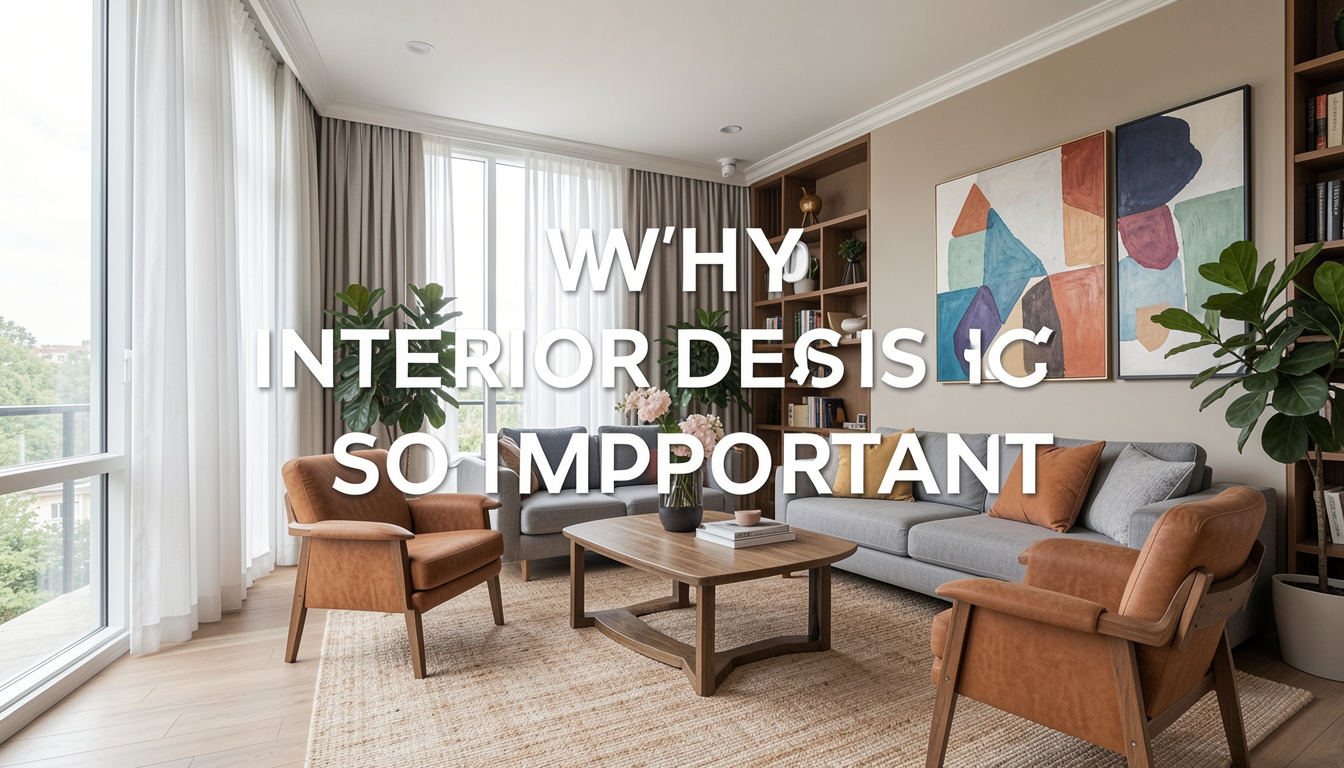
The living room is where families gather and guests are welcomed. Choose comfortable seating, a neutral color palette, layered lighting, and a large area rug to create a warm and inviting atmosphere. Add indoor plants and decorative cushions to make the space feel more vibrant.
Bedroom
A bedroom should be peaceful and relaxing. Soft colors, quality bedding, blackout curtains, and warm bedside lighting help create a calm environment that encourages restful sleep. Avoid excessive decorations that can make the room feel crowded.
Kitchen
Modern kitchens should combine beauty with functionality. Install smart storage solutions, organize cabinets efficiently, and use durable countertops that are easy to maintain. Under-cabinet LED lighting also improves visibility during cooking.
Bathroom
Floating vanities, large mirrors, light-colored tiles, and moisture-resistant storage create a clean, spacious appearance. Small decorative touches such as plants or neatly folded towels add warmth without creating clutter.
Home Office
A productive workspace should include an ergonomic chair, a spacious desk, organized storage, and plenty of natural light. Keep distractions to a minimum and use simple décor that promotes concentration.
| Room | Recommended Design Feature | Main Benefit |
|---|---|---|
| Living Room | Layered lighting & comfortable seating | Relaxation and family gatherings |
| Bedroom | Neutral colors & soft textiles | Better sleep and comfort |
| Kitchen | Smart storage & efficient layout | Improved organization |
| Bathroom | Floating vanity & large mirror | Makes small spaces appear larger |
| Home Office | Ergonomic furniture & natural light | Better productivity and focus |

Why Interior Design Adds Property Value
Another important reason why interior design is so important is its ability to increase the value of a property. Buyers are naturally attracted to homes that feel bright, organized, and move-in ready. A thoughtfully designed interior creates a strong first impression and often helps a property stand out in a competitive market.
Simple improvements such as repainting walls in neutral colors, upgrading lighting fixtures, replacing outdated flooring, installing built-in storage, and improving kitchen or bathroom layouts can significantly enhance a home’s appeal. These updates not only make the property more enjoyable to live in but can also increase its resale value.
Investing in quality materials and timeless design choices ensures that your home remains attractive for years rather than becoming outdated after a short period.
Common Interior Design Mistakes to Avoid
Even expensive furniture and décor cannot compensate for poor planning. Avoiding common mistakes helps create interiors that remain practical, balanced, and visually appealing.
Some of the most common decorating mistakes include:
- Buying oversized furniture that overwhelms the room.
- Blocking windows with heavy curtains or large cabinets.
- Using too many colors and patterns in one space.
- Hanging artwork too high above eye level.
- Ignoring storage needs, leading to unnecessary clutter.
- Choosing trendy pieces without considering long-term practicality.
- Leaving insufficient walking space between furniture.
- Forgetting to balance lighting throughout the room.
Planning your layout before purchasing furniture can prevent these mistakes while saving both time and money.
Expert Interior Design Tips for Long-Term Success
Professional designers understand that beautiful homes are created through careful planning rather than expensive decoration. Following timeless design principles produces interiors that remain stylish and functional regardless of changing trends.
Expert Tips
- Start every project with a clear design plan and realistic budget.
- Invest in durable, high-quality furniture instead of buying cheaper replacements frequently.
- Use a consistent color palette throughout your home for better visual harmony.
- Mix textures such as wood, linen, stone, metal, and glass to create depth.
- Add indoor plants to introduce natural beauty and improve air quality.
- Maximize natural daylight with sheer curtains and strategically placed mirrors.
- Declutter regularly and keep decorative accessories simple.
- Refresh your interiors seasonally with cushions, artwork, or rugs instead of replacing major furniture.
Applying these professional techniques helps create a home that remains elegant, practical, and comfortable for many years.
Conclusion
Understanding why interior design is so important helps homeowners create spaces that improve everyday living while increasing long-term property value. A thoughtfully designed home combines functionality, comfort, organization, and visual appeal through smart space planning, balanced color schemes, quality furniture, and effective lighting. Every room should be designed according to its purpose while reflecting the lifestyle and personality of the people who live there. By investing in timeless design principles and avoiding common decorating mistakes, you can create a home that remains beautiful, welcoming, and highly functional for years to come. Great interior design is not about spending more money it is about making informed decisions that enhance your quality of life every single day.
FAQ’S
Why Interior Design Is So Important
Benefits, Expert Tips & Modern Home Design Guide
Why is interior design so important for every home?
First, interior design transforms ordinary rooms into comfortable and functional living spaces. Moreover, it improves daily routines by organizing furniture, maximizing storage, and enhancing natural light. As a result, homeowners enjoy a home that is both visually attractive and practical for everyday life.
How does interior design improve comfort and functionality?
In general, thoughtful interior design makes every room easier to use. For example, efficient layouts improve movement, while ergonomic furniture increases comfort. Furthermore, smart storage solutions reduce clutter. Therefore, each space feels more organized, relaxing, and enjoyable.
Can professional interior design increase property value?
Yes. A professionally designed interior often attracts more buyers and creates a stronger first impression. In addition, updated finishes, quality lighting, and modern layouts make a property more desirable. Consequently, many homeowners recover a significant portion of their investment when selling.
What are the biggest benefits of hiring an interior designer?
To begin with, interior designers help homeowners avoid costly mistakes. Additionally, they recommend suitable colors, furniture, materials, and layouts based on your lifestyle. Likewise, they manage space efficiently while maintaining a cohesive design. Ultimately, the finished home feels balanced and professionally designed.
What interior design trends are popular today?
Currently, homeowners prefer organic modern interiors, Scandinavian simplicity, Japandi style, sustainable materials, and warm neutral colors. Besides that, smart home technology, natural textures, and multifunctional furniture continue to grow in popularity. Overall, these trends combine beauty with everyday practicality.
How can I improve my home’s interior without spending too much?
Fortunately, small improvements can make a significant difference. For instance, repainting walls, updating lighting, rearranging furniture, and adding decorative accessories instantly refresh a room. In addition, indoor plants and mirrors create a brighter, more spacious appearance.
Which colors work best in modern interior design?
Generally, neutral shades such as white, beige, gray, and soft earth tones remain timeless choices. Meanwhile, accent colors like sage green, navy blue, and terracotta add personality without overwhelming the space. As a result, interiors feel calm, elegant, and welcoming.
How important is lighting in interior design?
Without proper lighting, even the best-designed room can feel dull. Therefore, combining natural light with ambient, task, and accent lighting creates a balanced atmosphere. Furthermore, quality lighting highlights architectural details and improves both comfort and functionality.
What are the most common interior design mistakes?
Many homeowners choose furniture that is too large or too small for the room. Similarly, poor lighting, overcrowded layouts, and inconsistent color schemes reduce visual appeal. Instead, focus on proportion, balance, and a clear design theme for every room.
How can beginners learn interior design?
First, study professional room layouts and decorating ideas. Next, practice creating mood boards and experimenting with color combinations. Moreover, reading design books and following experienced designers builds practical knowledge. Finally, applying these ideas in your own home is the best way to develop confidence and creativity.