
Introduction
Every home should be a place where people feel comfortable, productive, and inspired. While furniture and decorations add visual appeal, true interior design goes much deeper. Understanding the reasons why interior design is important helps homeowners create spaces that improve daily life while adding long-term value to their property. Good interior design combines functionality, aesthetics, comfort, and efficient planning to transform ordinary rooms into practical and inviting living spaces.
Many people think interior design is only for luxury homes, but that is a common misconception. Whether you live in a small apartment, a family house, or a modern villa, thoughtful interior design can maximize available space, improve organization, increase natural light, and create a healthier environment. Every decision—from selecting furniture and colors to arranging lighting and storage—plays an important role in how a home looks and functions.
Today’s homeowners are choosing timeless interiors that balance beauty with practicality instead of following short-lived decorating trends. By understanding the reasons why interior design is important, you can make smarter design choices that improve comfort, reflect your personality, and support your lifestyle for many years.
Interior Design Improves Daily Comfort
One of the biggest reasons why interior design is important is that it makes everyday living more comfortable. Every room should be designed to support the activities that take place there while maintaining a relaxing atmosphere.
A thoughtfully designed living room encourages family interaction, a functional kitchen simplifies meal preparation, and a comfortable bedroom promotes better sleep. Instead of simply making a room look attractive, interior design focuses on improving how people experience their homes every day.
Comfort can be achieved by choosing ergonomic furniture, soft textiles, proper lighting, and layouts that allow easy movement throughout the house.
Practical Tips
- Choose furniture that fits the size of the room.
- Keep pathways open for better movement.
- Use soft fabrics for comfort.
- Add layered lighting instead of relying on one ceiling light.
- Keep frequently used items within easy reach.
| Interior Design Element | Main Benefit |
|---|---|
| Smart Space Planning | Better functionality |
| Comfortable Furniture | Improved relaxation |
| Natural Lighting | Brighter interiors |
| Organized Storage | Less clutter |
| Neutral Color Palette | Calm atmosphere |

Better Organization Creates Stress-Free Living
Another important reason among the many reasons why interior design is important is organization. A cluttered home often feels stressful, while an organized space creates a sense of calm and efficiency.
Modern interior design emphasizes smart storage solutions that keep homes clean without sacrificing style.
Helpful organization ideas include:
- Install built-in storage cabinets.
- Use storage ottomans and benches.
- Add floating shelves for books and décor.
- Organize closets with adjustable shelving.
- Store seasonal items in labeled containers.
These simple changes reduce clutter, make cleaning easier, and help homeowners enjoy a more peaceful environment.
Interior Design Maximizes Every Square Foot
Whether your home is large or small, efficient space planning is one of the strongest reasons why interior design is important. Professional designers understand how to make every area useful without making rooms feel crowded.
Instead of filling spaces with oversized furniture, modern interiors focus on balance, openness, and functionality.
Simple ways to maximize space include:
- Use multifunctional furniture.
- Choose wall-mounted storage.
- Place mirrors opposite windows.
- Keep decorations minimal.
- Select furniture with exposed legs to create an open appearance.
These practical design techniques make even compact homes feel larger, brighter, and more comfortable.

Interior Design Increases Property Value
Among the many reasons why interior design is important, increasing property value is one of the most significant. A well-designed home attracts more buyers because it feels organized, modern, and move-in ready. Even if you are not planning to sell your property soon, investing in thoughtful interior design adds long-term value and improves your everyday living experience.
Simple upgrades can make a noticeable difference. Repainting walls with neutral colors, replacing outdated lighting fixtures, installing durable flooring, and upgrading kitchen or bathroom finishes instantly improve the overall appearance of a home. Built-in storage, energy-efficient lighting, and timeless furniture also make a property more attractive to future buyers.
Rather than spending money on short-lived decorating trends, focus on quality materials and practical layouts that remain stylish for years. A home that combines beauty with functionality is always more desirable in the real estate market.
Room-by-Room Decorating Ideas for a Functional Home
Every room has a unique purpose, and designing each space accordingly helps create a comfortable and organized home.
Living Room
Create a welcoming environment by arranging comfortable seating around a focal point such as a fireplace or television. Use layered lighting, neutral colors, and textured cushions to add warmth and personality.
Bedroom
Choose calming colors like beige, white, or soft gray. Invest in a quality mattress, comfortable bedding, and blackout curtains to create a peaceful retreat for better sleep.
Kitchen
Focus on efficiency by organizing cabinets, using pull-out storage solutions, and installing task lighting beneath upper cabinets. Durable countertops and easy-to-clean surfaces improve both functionality and appearance.
Bathroom
Use floating vanities, large mirrors, and wall-mounted shelves to maximize space. Light-colored tiles and proper ventilation help create a clean and refreshing atmosphere.
Home Office
Design a productive workspace with an ergonomic chair, adjustable desk, sufficient storage, and natural lighting. Keep distractions to a minimum by organizing cables and supplies.
| Room | Recommended Improvement | Benefit |
|---|---|---|
| Living Room | Layered lighting & comfortable seating | Relaxation and entertaining |
| Bedroom | Soft colors & cozy bedding | Better sleep quality |
| Kitchen | Smart storage & LED task lighting | Improved functionality |
| Bathroom | Floating vanity & large mirror | Creates a spacious look |
| Home Office | Ergonomic furniture & natural light | Better focus and productivity |

Common Interior Design Mistakes to Avoid
Even beautiful homes can lose their appeal when basic design principles are ignored. Avoiding these mistakes helps maintain a balanced, practical, and attractive interior.
Some common decorating mistakes include:
- Purchasing oversized furniture for small rooms.
- Blocking natural light with heavy curtains or bulky cabinets.
- Using too many colors, patterns, or decorative accessories.
- Ignoring storage requirements, leading to clutter.
- Hanging artwork too high or too low.
- Choosing trends over long-term functionality.
- Leaving little walking space between furniture.
- Using only one source of lighting instead of layered illumination.
Planning your layout before shopping helps prevent unnecessary expenses and ensures every item has a purpose.
Expert Interior Design Tips for Long-Term Success
Professional interior designers know that timeless homes are built through thoughtful planning rather than expensive decoration. Following these expert tips will help you create interiors that remain stylish and practical for years.
Expert Tips
- Plan every room before buying furniture or décor.
- Invest in durable furniture that offers both comfort and longevity.
- Maintain a consistent color palette throughout your home.
- Combine natural materials like wood, stone, linen, and glass for added texture.
- Add indoor plants to improve air quality and create a fresh atmosphere.
- Maximize natural daylight with large windows, mirrors, and light curtains.
- Declutter regularly to maintain a clean and organized appearance.
- Refresh your home with seasonal accessories such as cushions, rugs, or artwork instead of replacing major furniture.
Small, well-planned improvements often create a greater impact than expensive renovations and help maintain a timeless interior style.
Conclusion
There are many reasons why interior design is important, from improving comfort and organization to increasing property value and enhancing overall well-being. A thoughtfully designed home supports your daily lifestyle by making every room functional, attractive, and easy to maintain. Through smart space planning, balanced lighting, practical furniture, and timeless décor, homeowners can create interiors that remain beautiful for years while reflecting their personal style. Instead of focusing only on decoration, prioritize thoughtful design decisions that improve the way you live, work, and relax. Investing in quality interior design today will continue to provide comfort, efficiency, and lasting value well into the future.
FAQ’S
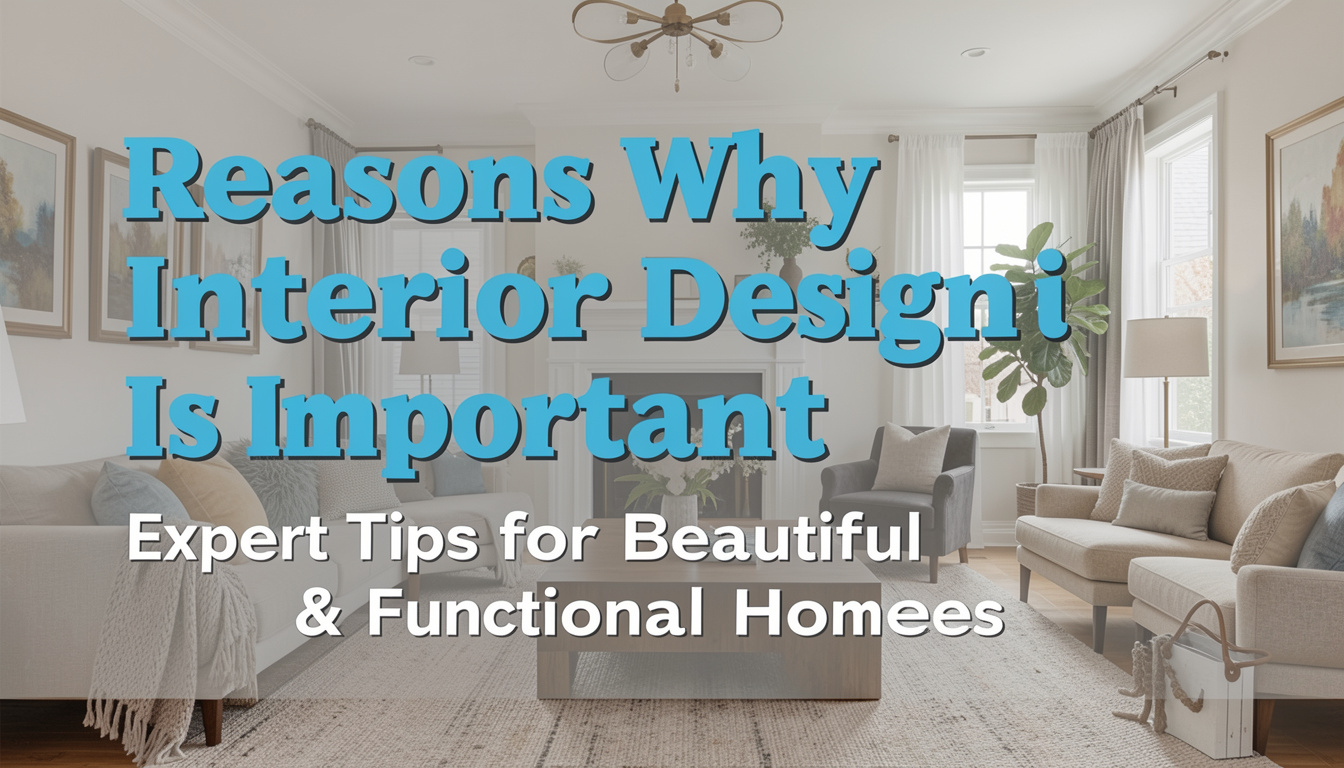
Reasons Why Interior Design Is Important
Expert Tips for Beautiful & Functional Homes
Why is interior design important for modern homes?
First, interior design creates spaces that are both functional and visually appealing. Moreover, it improves comfort, organization, and daily living by making every room more efficient. As a result, homeowners enjoy a healthier and more relaxing environment that suits their lifestyle.
What are the top reasons to invest in interior design?
In general, investing in interior design improves property value, enhances comfort, maximizes available space, and creates a consistent visual style. Furthermore, thoughtful planning helps prevent costly decorating mistakes. Therefore, homeowners often save both time and money over the long term.
How does interior design improve functionality?
To begin with, good interior design focuses on practical layouts that support everyday activities. For example, efficient furniture placement improves movement while smart storage solutions reduce clutter. Consequently, every room becomes easier to use and more comfortable for the entire family.
Can interior design improve mental well-being?
Yes. A thoughtfully designed home can reduce stress and create a calming atmosphere. In addition, natural lighting, balanced colors, comfortable furniture, and organized spaces contribute to better emotional well-being. As a result, people often feel happier and more productive at home.
Why is space planning important in interior design?
Effective space planning ensures that every area is used efficiently without feeling crowded. Likewise, it improves traffic flow, furniture placement, and room functionality. Ultimately, proper planning creates a balanced home that feels open, comfortable, and practical.
What are the most important elements of interior design?
Generally, successful interior design includes balance, proportion, harmony, texture, color, lighting, furniture, and decorative accessories. Additionally, combining these elements correctly creates a cohesive design that remains stylish for many years.
How can I make my home look more luxurious?
Fortunately, you do not need a large budget to create an elegant home. Instead, focus on quality lighting, neutral color palettes, layered textures, large mirrors, custom curtains, and carefully selected decorative pieces. Consequently, your home will appear more sophisticated and inviting.
What interior design trends are currently popular?
Currently, Organic Modern, Japandi, Scandinavian, Contemporary, and Minimalist interiors remain highly popular. Meanwhile, homeowners are choosing sustainable materials, natural wood finishes, warm earth tones, and multifunctional furniture for a timeless appearance.
How can beginners improve their interior design skills?
First, learn the basic principles of balance, proportion, and color theory. Next, observe professionally designed rooms and practice planning your own spaces. Moreover, experimenting with different layouts helps build confidence. Finally, continuous learning leads to better design decisions over time.
What mistakes should homeowners avoid when decorating?
Common mistakes include poor lighting, oversized furniture, cluttered layouts, and inconsistent color schemes. Instead, choose furniture that fits the room, maintain visual balance, and prioritize functionality. Overall, thoughtful planning produces a home that is attractive, comfortable, and easy to maintain.