
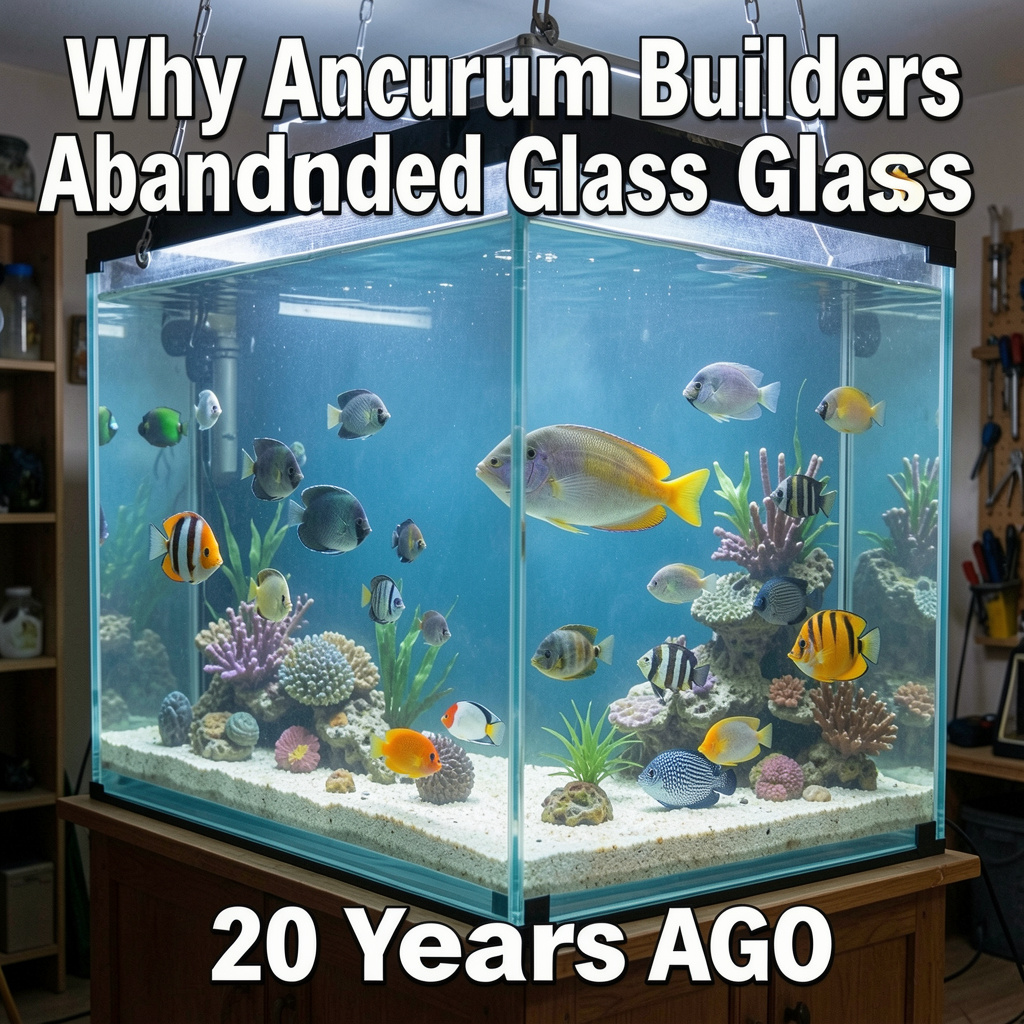
Public aquariums built or refurbished over the last two decades almost always use acrylic for their largest viewing panels, with glass reserved for smaller displays. Acrylic has replaced traditional glazing in major exhibits around the world thanks to its strength and optical clarity. Here’s why the shift happened, and what it means for home builds too.
From Public Exhibits to Custom Home Builds
The jump from commercial engineering to residential design happened quickly. Ambitious hobbyists now want the same structural benefits that public venues enjoy. Standard glass becomes too heavy and fragile to handle safely at this scale, so home builders often turn to specialist sheet suppliers like Simply Plastics for acrylic cut to the exact thickness their build requires. That lets home aquarists design massive viewing walls without the constant worry of a sudden structural failure.
Using acrylic at home also helps during installation. It’s much lighter than glass, which makes moving a large tank into a residential property far easier for installation teams. Domestic floors often need structural reinforcement for tanks this size anyway, so saving weight on the actual glazing is a useful bonus.
Why Glass Fails at Scale
Public aquariums have to hold back millions of litres of water, creating immense pressure on transparent viewing panels. Glass can technically hold huge volumes, but the thickness needed at that scale becomes impractical to manufacture, transport and install. Standard glass also contains iron, giving it a green tint that worsens as the thickness increases. The distortion ruins the view for visitors who want to see natural marine colours.
Acrylic solves this because it remains optically clear even at thicknesses over 30 centimetres. The material allows around 92% of visible light to pass through it, so fish and coral look the way they would in nature. Modern UV-stabilised acrylic also resists the yellowing that affected earlier installations, keeping panels visually clear for decades under intense exhibit lighting. On top of that, acrylic is roughly 17 times stronger than glass of the same thickness. It absorbs impacts without shattering, which matters for public safety in crowded exhibition spaces.
Seamless Joints and Curved Tunnels
The ability to shape the material is another big reason designers turned away from glass. Traditional glass can’t be easily curved into complex shapes without losing structural integrity or creating heavy visual distortion. Acrylic can be thermoformed at relatively low temperatures, allowing builders to create the curved tunnels seen at UK sites like the National Marine Aquarium in Plymouth and the SEA LIFE centre in London. Those curved panels give visitors the impression of standing directly on the seabed.
Acrylic also forms exceptionally strong, seamless joints. Instead of relying on silicone sealant, which can degrade and leak over time, builders use solvent bonding. The cement softens the surfaces of each panel so they fuse into what’s effectively a single, continuous piece of plastic. Engineers test these joints using ultrasonic equipment to make sure there are no microscopic gaps or bubbles that could fail under pressure.
Maintenance and Long-Term Durability
Maintaining a massive public display brings its own headaches, especially when scratches build up from scuba gear or rough animals. If a glass panel gets scratched, repairing it means draining the tank entirely or replacing the whole window. That’s a logistical nightmare for sites like SEA LIFE Brighton or London, where moving large animals causes extreme stress and disrupts daily operations.
Acrylic panels offer a much simpler solution because technicians can polish them while the tank is still full of water. Underwater buffing tools can lift deep scratches in situ, restoring clarity without disturbing the marine life. Acrylic does scratch more easily than glass, but because those scratches can be polished out in place, the panels stay clearer for longer in busy public environments.
Stronger, Clearer, and Easier to Fix Than Glass
The shift from glass to acrylic redefined what aquarium designers can build. By solving the weight, clarity and structural limits of traditional glazing, modern materials have made genuinely immersive underwater experiences possible. Visitors can now stand beneath millions of litres of water with real trust in the engineering holding it back.
As manufacturing techniques keep advancing, the gap between public installations and home designs will keep narrowing. The structural advantages that changed commercial aquariums twenty years ago still shape the hobby today. This material evolution means both public education and private fishkeeping can happen behind clear, safe, and beautiful barriers.
 Robert