
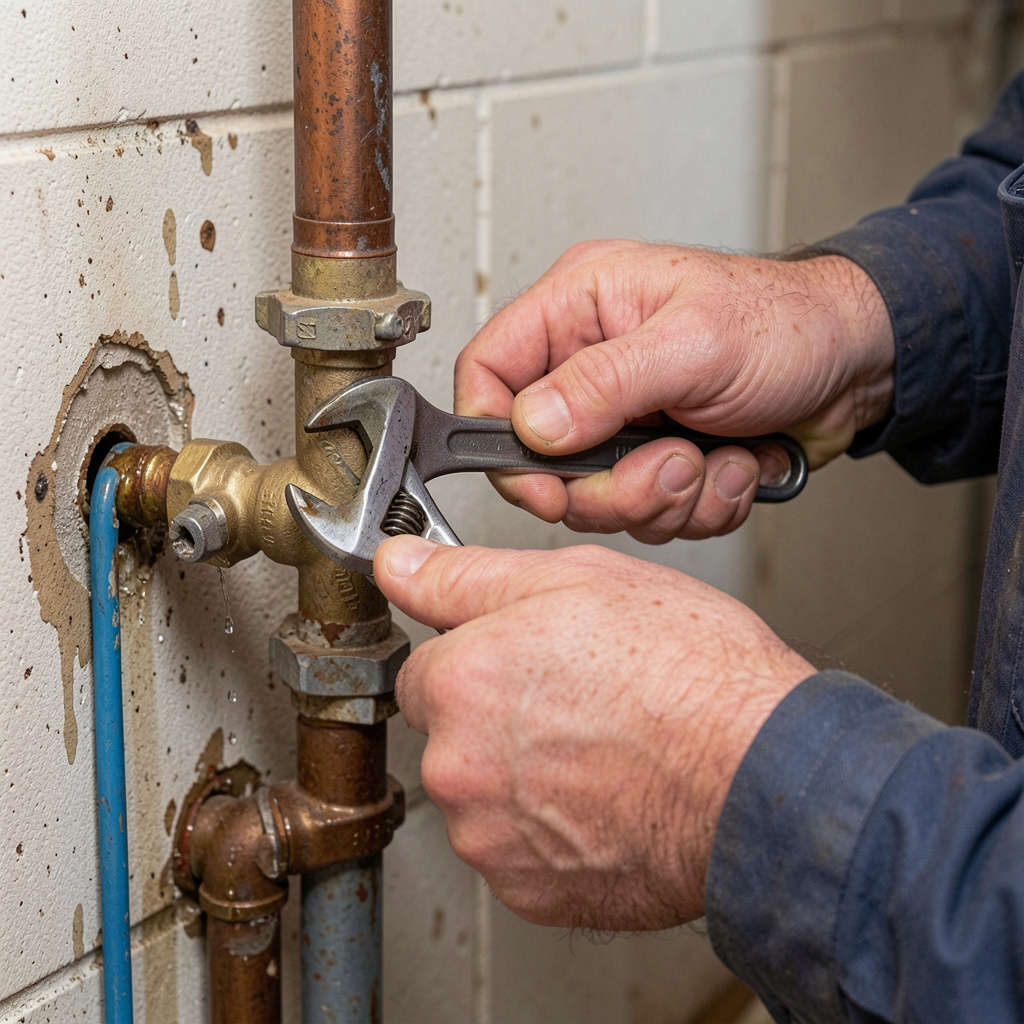
Professional Plumbing Services for Your Home
Understanding the Causes and Signs of Pipe Failures
Austin’s unique environment presents specific challenges that can contribute to pipe failures. While freezing temperatures are a well-known culprit, especially after events like the Texas snowstorms of 2021 and 2023, they are far from the only factor. Rapid temperature fluctuations, common in Central Texas, can cause pipes to expand and contract repeatedly, weakening them over time.
Beyond weather, the very ground Austin sits on plays a significant role. The expansive clay soil, prevalent in the region, can shift and swell with changes in moisture content, placing immense stress on underground pipes. Moreover, the underlying limestone bedrock can cause ground shifting and settling, further exacerbating pressure on plumbing systems.
Another silent but destructive force is Austin’s hard water. Rich in minerals, hard water can lead to internal pipe corrosion and mineral buildup, narrowing the pipe’s diameter and increasing internal pressure. Over time, this corrosion weakens the pipe walls, making them more susceptible to bursting. High municipal water pressure, common in many Austin neighborhoods, also contributes to the overall stress on plumbing systems.
Finally, the age and material of your pipes are critical. Homes built before 1970 often used materials such as clay tile, cast iron, or thin-wall PVC, which have lifespans of 50 to 75 years. As these materials age, they become more brittle and prone to corrosion, increasing the risk of failure. Poor installation or the use of substandard materials during construction or previous repairs can also lead to premature pipe bursts.
Identifying the Warning Signs of a Leak
Catching a pipe issue before it escalates to a full-blown burst can save homeowners significant time, money, and stress. Being vigilant about certain warning signs is crucial:
- Sudden Drops in Water Pressure: An unexpected decrease in water flow from your faucets or showerheads can indicate a leak somewhere in your system, as water is escaping before reaching its intended destination.
- Discolored or Odd-Smelling Water: If your water suddenly appears rusty, brown, or has a strange odor, it could be a sign of internal pipe corrosion or sediment infiltration caused by a crack or break.
- Persistent Dampness or Water Stains: Patches of dampness, water stains, or discoloration on walls, ceilings, or floors are clear indicators of a hidden leak. These often appear as dark spots or peeling paint.
- Inexplicable Sounds of Dripping or Running Water: If you hear the sound of running water when no faucets are open, or appliances are in use, there’s likely a leak within your walls, under your floors, or in your yard.
- Unexplained Spikes in Water Bills: A sudden and significant increase in your water bill, without any change in usage habits, is a strong signal that water is being wasted somewhere in your system due to a leak.
- Musty Odors: A persistent musty or earthy smell, particularly in basements, crawl spaces, or near walls, can indicate hidden moisture and potential mold growth from a slow leak.
Regularly checking for these signs and acting promptly can help prevent minor leaks from turning into catastrophic burst pipes.
Immediate Steps to Take During a Plumbing Emergency
Discovering a burst pipe can be a shocking and overwhelming experience. However, taking immediate, decisive action can significantly minimize water damage and ensure the safety of your household.
The very first step is to shut off the main water supply to your home. This is critical to stop the flow of water and prevent further flooding. Knowing the location of your main water shut-off valve beforehand is invaluable; it’s often found in your basement, crawl space, garage, or near your water meter outside. If you have an auxiliary shut-off valve in your yard or garage, this can also be used. For the main water meter valve, a water key tool (which costs around $15) can be incredibly helpful, as these valves can be stiff if not used regularly.
Once the water is off, drain the remaining water from your pipes by opening all faucets (hot and cold) and flushing the toilets. This relieves pressure in the system and helps to clear out any water still trapped in the lines.
Prioritize electrical safety. If the burst pipe has caused water to spread near electrical outlets, appliances, or your electrical panel, it is crucial to turn off the electricity to the affected area at your main breaker box. Water and electricity are a dangerous combination, and this step can help prevent serious hazards such as short circuits or electrical fires.
Next, document the damage thoroughly. Take photos and videos of the burst pipe, the water damage, and any affected belongings. This documentation will be vital for your insurance claim. Move any valuable items away from the water if it is safe to do so.
Finally, contact a professional plumbing service immediately. While you might be tempted to attempt a temporary DIY fix, a licensed plumber has the expertise and specialized tools to properly assess the damage, perform a reliable repair, and ensure your plumbing system is safe and functional. For robust, reliable solutions, understanding concepts like Texas Class burst pipe repair can help you understand the level of service and quality you should expect from professionals. They are equipped to handle the emergency response, from leak detection to comprehensive repair, and can also guide water damage restoration.
How Professional Plumbing Services Locate Hidden Leaks
Many burst pipes occur in hidden areas—behind walls, under floors, or beneath your home’s foundation. Locating these leaks quickly and accurately is paramount to effective repair and minimizing destructive exploratory work. Professional plumbing services utilize advanced technology and techniques for precise leak detection:
- Thermal Imaging Cameras: These cameras detect subtle temperature differences on surfaces, revealing cooler spots where water might be present behind walls or under floors. Since water conducts heat differently than surrounding materials, thermal imaging can pinpoint hidden moisture without intrusive demolition.
- Acoustic Leak Detectors: These sensitive listening devices can amplify the sound of water escaping from pipes, even through concrete or soil. Plumbers use them to listen for the distinct sounds of a leak, guiding them directly to the source.
- Plumbing Cameras (Video Inspection): For internal pipe issues, especially in drain or sewer lines, small, flexible cameras are inserted into the pipes. These cameras provide a live video feed, allowing plumbers to visually inspect the pipe’s interior for cracks, blockages, corrosion, or breaks.
- Moisture Meters: These handheld devices measure moisture content in building materials such as drywall, wood, and concrete. They help confirm the presence of water, track its spread, and determine the extent of saturation, guiding both repair and subsequent drying efforts.
- Pressure Testing: By isolating sections of your plumbing system and applying controlled pressure, plumbers can identify if a specific segment is losing pressure, indicating a leak within that section.
These sophisticated tools allow professionals to diagnose the problem with minimal disruption to your home, ensuring a targeted, efficient repair.
The Process of Repairing and Replacing Damaged Pipes
Once a burst pipe has been located, the next critical step is to repair or replace it. The specific approach depends on the extent of the damage, the type of pipe material, and its location. Professional plumbers follow a systematic process to ensure a lasting solution.
Initially, the plumber will assess the damage to determine if a simple repair is sufficient or if a section of pipe needs to be replaced. For minor cracks or pinhole leaks, specialized patching or sealing techniques might be employed. However, for a pipe that has split open due to freezing or severe corrosion, replacing the damaged section is typically necessary.
The repair process often involves cutting out the compromised section of the pipe. For copper pipes, this is followed by soldering a new section into place, a technique requiring precision and skill to ensure a watertight seal. For modern materials like PEX (cross-linked polyethylene), the process involves using specialized crimping tools and fittings to create secure connections. PVC or CPVC pipes are joined using solvent cement.
When a pipe is severely damaged or located in an inaccessible area, rerouting may be a more practical solution than direct replacement. This involves installing a new pipe path through a more accessible area, such as an attic or an internal wall, potentially minimizing the need for extensive demolition of floors or foundations.
For underground pipes, or those beneath concrete slabs, trenchless pipe repair methods offer a less invasive alternative to traditional excavation. Techniques like pipe relining, where a new epoxy-coated liner is pulled through the existing pipe, or pipe bursting, where a new pipe is pulled through while simultaneously breaking apart the old one, can repair or replace damaged sections with minimal disruption to your property.
After the repair or replacement is complete, the plumber will test the system thoroughly to ensure there are no leaks and that water pressure is restored to normal. This often involves slowly turning the water supply back on and carefully inspecting the repaired area and surrounding connections.
Why Modern Materials Require Professional Plumbing Expertise
The plumbing industry has evolved significantly, with modern materials offering enhanced durability, flexibility, and resistance to environmental factors. However, working with these materials, as well as traditional ones, requires specific expertise:
- PEX Flexibility and Fittings: PEX piping is highly favored for its flexibility, resistance to freezing, and ease of installation. However, proper installation requires specialized crimping tools and an understanding of various fitting types (crimp, expansion, compression) to ensure secure, leak-free connections. Incorrectly installed PEX fittings can lead to slow leaks or complete failures.
- Copper Soldering Precision: While copper is a durable and reliable material, joining copper pipes requires precise soldering techniques. A professional plumber has the skill to clean, flux, and heat the joints correctly to create strong, watertight bonds that will last for decades. Amateur soldering can result in weak joints that are prone to leaking.
- Fitting Security and Compatibility: Plumbing systems often involve a mix of materials and various types of fittings (threaded, compression, push-fit, solvent weld). Professionals understand the compatibility of different materials and fittings, ensuring that connections are secure and won’t corrode or fail prematurely due to incompatible metals or improper sealing.
- Code Compliance: Plumbing work must adhere to local building codes and regulations. Professionals are knowledgeable about these codes, ensuring that all repairs and installations meet safety and quality standards, which is crucial for home insurance purposes and resale value.
- Advanced Techniques for Complex Repairs: Trenchless repair methods, for example, require specialized equipment and training. Attempting these complex repairs without the necessary expertise can lead to further damage and significantly higher costs.
Relying on professional plumbing expertise ensures that repairs are not just temporary fixes but long-term solutions that maintain the integrity and safety of your home’s plumbing system.
Preventative Measures to Protect Your Home’s Water Lines
Preventing burst pipes is far more cost-effective and less stressful than dealing with the aftermath. For Austin homeowners, proactive measures are essential, especially given the region’s climate challenges.
One of the most critical preventative steps is pipe insulation. Exposed pipes in unheated areas like attics, crawl spaces, basements, and garages are highly susceptible to freezing. Wrapping these pipes with foam pipe sleeves or heat tape can significantly reduce the risk of them freezing and bursting. Don’t forget outdoor spigots; faucet covers provide an extra layer of protection during cold snaps.
During periods of extreme cold, maintaining a consistent indoor temperature is vital. Even if you’re away, keep your thermostat set to at least 55°F (13°C) to keep pipes in your walls and floors warm enough to prevent freezing. Opening cabinet doors under sinks can also allow warmer air to circulate pipes in those areas.
Sealing drafts around windows, doors, and utility penetrations can prevent cold air from reaching vulnerable pipes. Pay particular attention to pipes located near exterior walls.
Before winter sets in, remove and drain all garden hoses from outdoor spigots. Water trapped in hoses can freeze and expand, pushing it back into the spigot and connecting pipes, causing them to burst.
Beyond cold weather, consider other preventative actions. If you have older pipes, especially those made of galvanized steel or cast iron, consider replacing them with modern, more durable materials like PEX or copper. This is a significant investment, but it can prevent future catastrophic failures. Addressing high water pressure issues with a pressure regulator can reduce strain on your plumbing system.
Long-Term Protection with Professional Plumbing Maintenance
While DIY preventive measures are valuable, professional plumbing maintenance provides comprehensive, long-term protection for your home’s water lines.
Annual inspections by a licensed plumber can identify potential problems before they escalate. During an inspection, a plumber can check for early signs of corrosion, minor leaks, weakened pipe sections, and water pressure issues. They can also assess the condition of your water heater, shut-off valves, and other critical components.
Pressure regulation services ensure that your home’s water pressure remains within a safe range (typically 40-80 psi). High water pressure can stress pipes and fittings, leading to leaks and bursts over time. A professional can install or adjust a pressure-reducing valve (PRV) to protect your system.
Valve exercising involves periodically turning your home’s main water shut-off valve on and off. This prevents the valve from seizing up due to disuse, ensuring you can quickly shut off water in an emergency. A plumber can perform this as part of routine maintenance.
Finally, drain cleaning and addressing clogged pipes are important preventative measures. While not directly linked to burst pipes, severe blockages can increase pressure in drain lines, and professionals can use camera inspections to identify tree root intrusion or other issues that could compromise pipe integrity.
Investing in a regular plumbing maintenance plan provides peace of mind, extends the lifespan of your plumbing system, and significantly reduces the likelihood of costly burst-pipe emergencies.
Frequently Asked Questions About Pipe Repairs
Here, we address some of the most common questions homeowners have about burst pipe repairs and prevention.
What causes pipes to burst suddenly?
Pipes can burst suddenly due to a combination of factors. The most common cause is freezing temperatures, which expand water inside pipes by about 9 percent. This expansion can generate immense pressure, up to 40,000 psi, easily exceeding the pipe’s capacity and causing it to split. Other significant causes include high water pressure that continuously stresses the pipe walls, pipe corrosion, and aging materials that weaken over time, and soil movement (common in Austin due to expansive clay and limestone bedrock) that puts external strain on underground lines. Poor installation and physical damage can also lead to sudden failures.
How long does it take to repair a broken water line?
The duration of a broken water line repair can vary significantly depending on several factors. The first step, leak detection, can take anywhere from an hour to several hours, especially if the leak is hidden. Once located, repair time depends on pipe accessibility (e.g., in an open area vs. behind a wall or under a slab), the chosen repair method (e.g., simple patch, section replacement, or a more complex trenchless repair), and the pipe material. A straightforward repair might take a few hours, while more complex jobs involving demolition, rerouting, or trenchless methods could extend to a full day or even multiple days. After the physical repair, system testing is performed to ensure no further leaks, adding a small amount of time. Overall, most emergency repairs are addressed within a day, but the full restoration of affected areas (drying, rebuilding) will take longer.
Can trenchless methods be used for all pipe repairs?
While highly advantageous for their minimal invasiveness, trenchless methods are primarily used for underground pipes, particularly sewer and water lines that are buried beneath lawns, driveways, or concrete slabs. They are ideal when extensive excavation would cause significant disruption and cost. Techniques like pipe relining (inserting a new, cured-in-place pipe within the old one) or pipe bursting (pulling a new pipe through the old one, breaking it apart in the process) are effective for repairing pipes with cracks, small breaks, or corrosion. However, trenchless methods are not suitable for all types of pipe damage or locations. For instance, they cannot typically address pipes within a home’s foundation, vertical pipes within walls, or pipes that have completely collapsed or suffered severe structural damage that prevents the passage of the new liner or pipe. A professional plumber will assess the specific situation to determine if a trenchless solution is viable.
Conclusion
The integrity of your home’s plumbing system is paramount to its safety and your peace of mind. For homeowners in Austin, TX, navigating the unique environmental challenges that contribute to burst pipes requires both vigilance and a readiness for rapid response. From the immediate actions of shutting off water and ensuring electrical safety, to the advanced techniques professionals employ for leak detection and repair, understanding these steps is crucial.
Investing in preventive measures, such as pipe insulation, regular maintenance, and addressing high-pressure issues, can significantly reduce your risk of a plumbing emergency. When a burst pipe occurs, however, swift intervention from professional plumbing services is indispensable for mitigating damage and restoring your home. By staying informed and proactive, you can protect your home’s plumbing integrity and safeguard your property from the disruptive, costly consequences of a burst pipe.
 Robert