
Introduction
Your home is more than just a place to sleep—it is where you relax, work, spend time with family, and create lasting memories. The way your home is designed directly affects your comfort, mood, productivity, and overall quality of life. This is exactly why interior design is important for every homeowner, whether you live in a small apartment or a large family house.
Interior design is not simply about decorating rooms with expensive furniture or trendy accessories. It is the process of planning spaces that combine beauty, comfort, functionality, and efficiency. Every design choice, from selecting the right colors to arranging furniture and improving lighting, contributes to creating an environment that supports your daily lifestyle.
Modern homeowners now understand that good interior design is an investment rather than an expense. A thoughtfully designed home feels welcoming, increases property value, improves organization, and makes everyday living easier. Whether you’re building a new house or renovating an existing one, understanding the importance of interior design helps you make smarter decisions that deliver long-term benefits.
Interior Design Improves Comfort and Everyday Living
The primary reason why interior design is important is that it enhances the way people live every day. A well-designed home creates an environment where every room serves its purpose efficiently while remaining comfortable and visually appealing.
For example, a properly arranged living room encourages family interaction, while a peaceful bedroom promotes better sleep. A functional kitchen makes meal preparation easier, and a well-organized home office increases productivity. Good interior design focuses on creating spaces that are practical without sacrificing beauty.
Instead of filling rooms with unnecessary furniture, modern interior design emphasizes open layouts, smart storage, and balanced decoration. This approach makes homes feel larger, brighter, and easier to maintain.
| Interior Design Feature | Benefit |
|---|---|
| Smart Space Planning | Better movement and room functionality |
| Natural Lighting | Creates a brighter and healthier atmosphere |
| Comfortable Furniture | Improves relaxation and usability |
| Organized Storage | Reduces clutter and saves space |
| Neutral Color Palette | Makes interiors feel open and welcoming |

Better Space Planning Makes Every Room More Functional
One of the biggest advantages of interior design is effective space planning. Every home has unique dimensions, and using available space wisely makes daily living much easier.
Professional designers carefully analyze room layouts before selecting furniture or decorative items. This prevents overcrowding and ensures that every piece serves a purpose.
Some effective space-planning ideas include:
- Choosing multifunctional furniture.
- Installing floating shelves.
- Using hidden storage solutions.
- Keeping walkways open.
- Creating separate zones for different activities.
These simple improvements increase comfort while maintaining a clean and organized appearance.
Colors, Lighting, and Materials Create the Perfect Atmosphere
Color psychology plays an important role in interior design because different shades influence emotions and perceptions. Soft neutral colors such as white, beige, cream, and light gray make rooms feel larger and more peaceful, while accent colors add personality and visual interest.
Lighting is equally important. Combining natural daylight with layered artificial lighting creates a warm and inviting atmosphere throughout the home.
Popular lighting options include:
- Ceiling lights
- Pendant lighting
- Wall sconces
- Floor lamps
- LED strip lighting
- Table lamps
Natural materials such as wood, stone, linen, cotton, and rattan continue to dominate modern interiors because they add warmth and timeless elegance.

Smart Interior Design Increases Property Value
A thoughtfully designed home is not only more enjoyable to live in but also more attractive to potential buyers. Updated kitchens, organized storage, quality flooring, modern lighting, and cohesive color schemes significantly improve a property’s appeal.
| Improvement | Why It Matters |
|---|---|
| Modern Lighting | Enhances style and functionality |
| Neutral Paint Colors | Appeals to more buyers |
| Quality Flooring | Improves durability and appearance |
| Built-in Storage | Maximizes usable space |
| Functional Layout | Makes the home easier to live in |
Even small upgrades, such as replacing outdated light fixtures or adding custom shelving, can create a lasting impression and increase resale value.

Why Interior Design Matters for Health and Well-Being
Beyond appearance, interior design has a direct impact on physical and mental well-being. Bright rooms with natural light can improve mood, organized spaces reduce stress, and ergonomic furniture supports better posture during work or study.
Adding indoor plants, improving ventilation, and using eco-friendly materials also contribute to a healthier indoor environment. These thoughtful design choices create homes that feel peaceful, comfortable, and inspiring throughout the year.
Conclusion
Understanding why interior design is important helps homeowners make better decisions when creating or renovating their living spaces. Great interior design combines functionality, comfort, and aesthetics to improve everyday life while increasing the long-term value of a property. From smart space planning and balanced color palettes to quality furniture and effective lighting, every design choice contributes to a healthier, more organized, and visually appealing home. Instead of following temporary trends, focus on timeless design principles that reflect your lifestyle and support your family’s needs. Investing in good interior design today will continue to provide comfort, beauty, and value for many years to come.
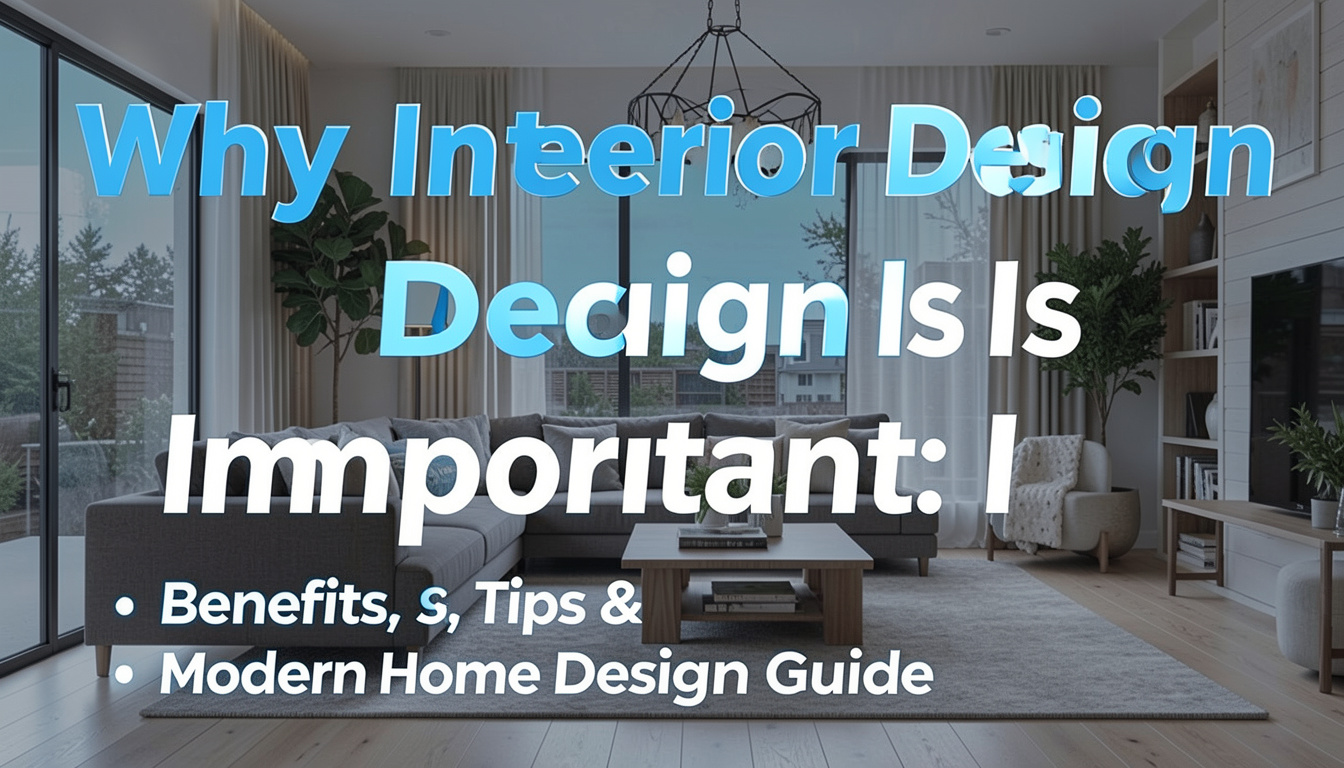
Why Interior Design Is Important
Benefits, Tips & Modern Home Design Guide
Why is interior design important?
Interior design improves the functionality, comfort, and appearance of a home. A well-designed space enhances daily living, supports better organization, increases property value, and creates an environment that reflects your personality and lifestyle.
How does interior design improve quality of life?
Thoughtful interior design creates healthier, more comfortable living spaces through better lighting, efficient layouts, proper furniture placement, improved storage, and relaxing color schemes that positively affect mood and productivity.
Can interior design increase the value of a home?
Yes. Modern interiors, updated kitchens and bathrooms, quality materials, attractive lighting, and functional layouts can significantly improve a property’s market appeal and resale value.
What are the key principles of good interior design?
Successful interior design is based on balance, proportion, harmony, rhythm, contrast, emphasis, functionality, and proper space planning to create attractive and practical living environments.
What are the latest interior design trends?
Popular trends include organic modern interiors, Japandi style, sustainable materials, warm neutral colors, natural textures, smart home technology, multifunctional furniture, and biophilic design.
How can I improve my home’s interior without a large budget?
Repainting walls, upgrading lighting, rearranging furniture, adding indoor plants, replacing soft furnishings, using mirrors, and organizing clutter are affordable ways to refresh any room.
Which colors work best for modern interiors?
Warm white, beige, greige, sage green, olive green, charcoal gray, terracotta, and soft earth tones remain among the most popular choices for modern homes.
Why is lighting essential in interior design?
Lighting enhances the appearance of every room, improves functionality, creates ambiance, highlights architectural features, and makes interiors feel larger and more inviting.
How do professional designers make small rooms feel larger?
Professionals use light color palettes, mirrors, layered lighting, multifunctional furniture, vertical storage, and open layouts to maximize visual space.
Where can I learn more about interior design?
The following expert resources provide practical decorating advice, renovation guides, room inspiration, and professional design tips for homeowners and interior design enthusiasts.
Recommended Interior Design Articles & Resources
| Website | Helpful Article | Article Link |
|---|---|---|
| Houzz | Interior Design Ideas & Home Decorating Photos | https://www.houzz.com/photos |
| Architectural Digest | Interior Design & Home Decor Guides | https://www.architecturaldigest.com/story/interior-design-basics |
| Better Homes & Gardens | Interior Decorating Ideas | https://www.bhg.com/decorating/ |
| The Spruce | Interior Design & Decorating Tips | https://www.thespruce.com/interior-decorating-4127935 |
| HGTV | Interior Design Ideas | https://www.hgtv.com/design |
| Elle Decor | Home Design Inspiration | https://www.elledecor.com/design-decorate/ |
| Apartment Therapy | Home Decorating & Organization | https://www.apartmenttherapy.com/ |
Professional Design Tip
Great interior design is not just about aesthetics—it improves how people live. Prioritize functionality, maximize natural light, choose timeless furniture, use a cohesive color palette, and invest in quality materials to create a home that remains beautiful and practical for years.