
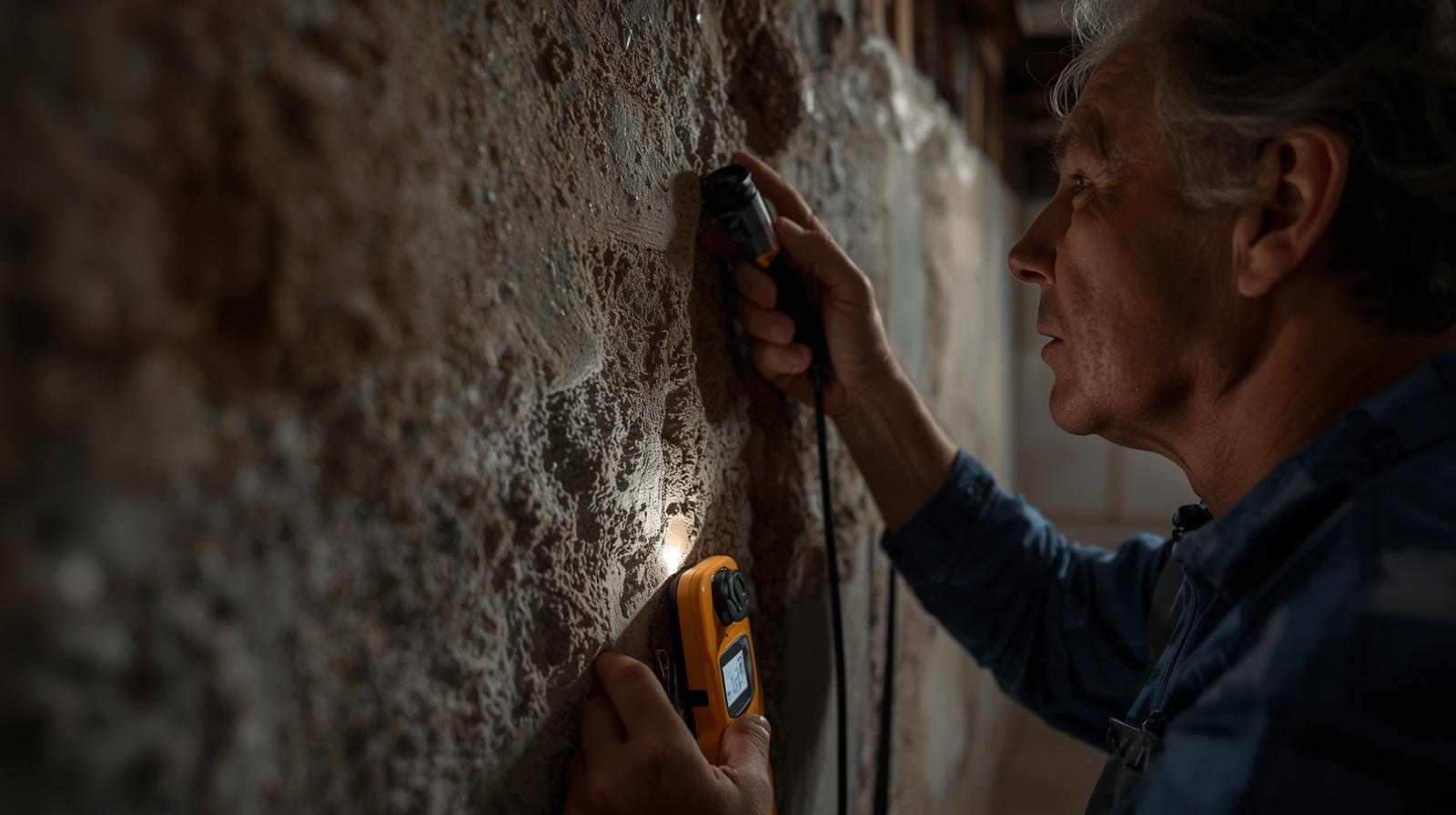
Water damage is one of the most expensive and destructive problems a homeowner can face. Whether caused by a burst pipe, heavy rainfall, or a slow undetected leak, water damage can compromise your home’s structural integrity, encourage mold growth, and result in thousands of dollars in repairs. The good news is that most water damage is preventable with proactive maintenance and the right strategies.

Every year, millions of homeowners deal with water damage claims. According to insurance industry data, water-related claims are among the most common and costly. Yet a significant percentage of these damages could have been avoided with basic preventive steps. Understanding the risks and taking action before problems develop is the key to keeping your home dry and safe.
Why Water Damage Prevention Matters for Every Homeowner
Understanding where water damage typically originates helps you target your prevention efforts. The most frequent causes include plumbing failures such as burst pipes, leaking fixtures, and deteriorating hose connections on appliances. Roof damage from missing shingles or flashing allows rainwater to penetrate the home. Poor drainage around the foundation can cause water to seep into basements. Faulty caulking around windows and doors is another common entry point.
Appliances are also a significant risk. Washing machines, dishwashers, refrigerators with ice makers, and water heaters all have hoses and connections that can fail without warning. Inspecting these appliances and replacing aging hoses every three to five years dramatically reduces your risk of a sudden indoor flood.
Common Causes of Water Damage in Residential Homes

A regular plumbing inspection is one of the most effective ways to prevent water damage. Check under all sinks at least twice a year for signs of moisture, rust, or corrosion. Look at the connections behind your washing machine and dishwasher. Turn off your main water supply and check if your water meter still moves, which would indicate a hidden leak somewhere in the system.
Pay close attention to water pressure. Excessively high water pressure puts stress on pipes and joints, increasing the likelihood of failure. A pressure regulator can keep your system within a safe range, typically between 40 and 60 PSI. Installing a whole-home water leak detector can also provide real-time alerts when unusual water flow is detected, potentially stopping a disaster before it starts.
How to Inspect Your Plumbing System Regularly

Your roof is your home’s first line of defense against rain and moisture. Inspect your roof at least once a year, preferably in the fall before winter weather arrives. Look for missing, cracked, or curling shingles. Check the flashing around chimneys, skylights, and vents, as these are common weak spots where leaks begin.
Gutters play an equally important role. Clogged gutters overflow and direct water toward your foundation instead of away from it. Clean your gutters at least twice a year, in spring and fall. Make sure downspouts extend at least three feet from the house. Consider installing gutter guards to reduce the frequency of cleaning and prevent blockages caused by leaves and debris.
Roof and Gutter Maintenance to Block Water Intrusion

Basements are particularly vulnerable to water intrusion because they sit below ground level where water naturally accumulates. Grading the soil around your home so it slopes away from the foundation is a critical first step. This simple adjustment can significantly reduce the amount of water that pools near your home after rain.
For existing moisture problems, interior and exterior waterproofing solutions are available. Interior systems involve installing drainage channels and a sump pump to collect and redirect water. Exterior solutions involve excavating the foundation and applying waterproof coatings. Sealing cracks in your foundation walls with hydraulic cement or epoxy injections is another effective measure. A working sump pump with a battery backup is essential protection during heavy storms.
Basement and Foundation Waterproofing Strategies
Technology has made water damage prevention more accessible and reliable than ever. Smart water sensors placed near appliances, under sinks, and in basements can detect moisture and send immediate alerts to your smartphone. Some advanced systems can automatically shut off your home’s main water supply when a leak is detected, preventing what might have been catastrophic damage.
Investing in a smart water monitoring system is a small cost compared to the potential expense of repairing water damage. Many home insurance companies even offer discounts for homeowners who install these devices. Combined with regular inspections and maintenance, smart technology forms a powerful last line of defense against water damage.