
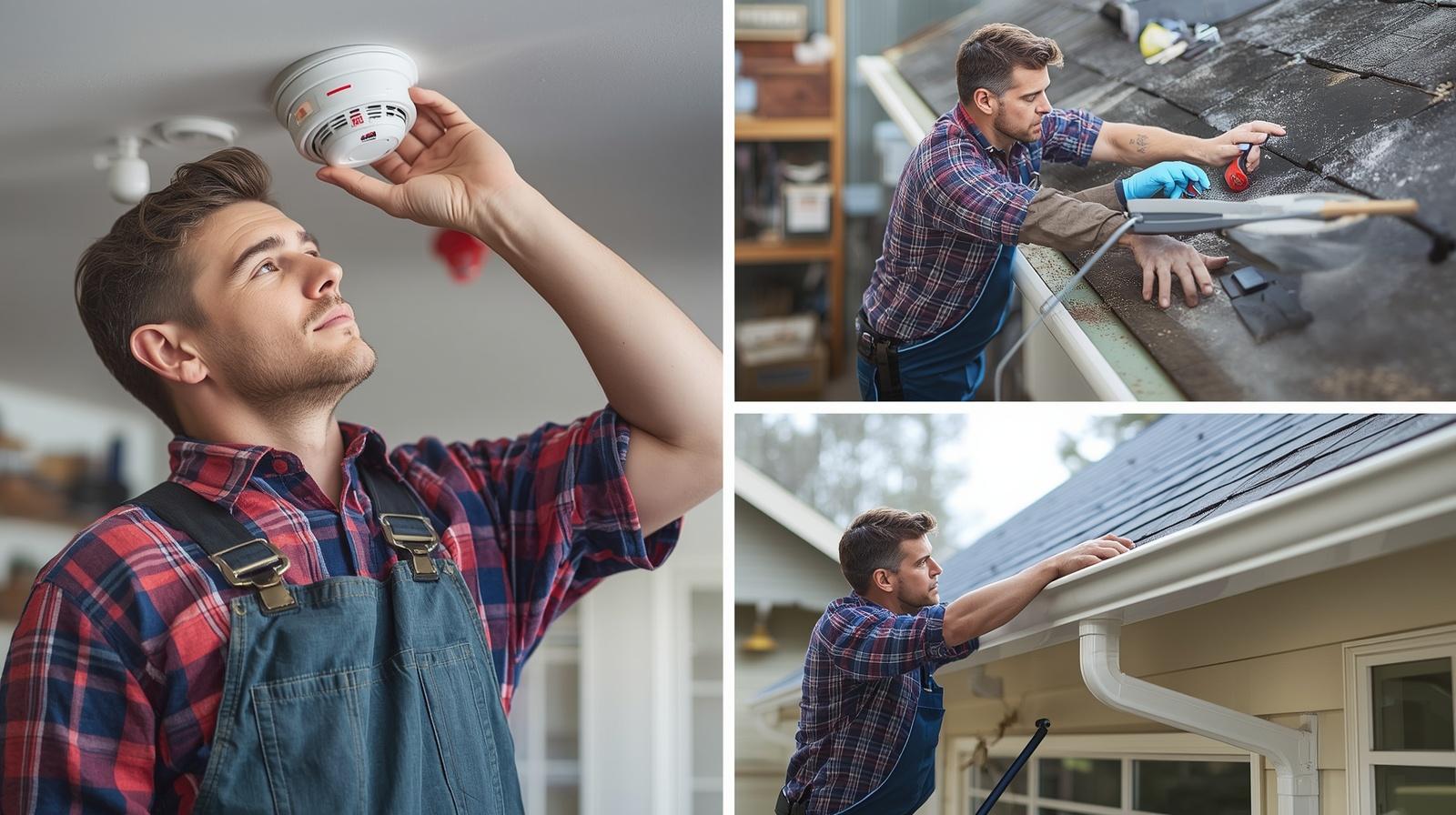
Owning a home is one of the biggest investments most people will ever make. Protecting that investment requires consistent attention and care. Many homeowners wait until something breaks to take action, but a proactive maintenance approach prevents small problems from becoming expensive disasters. Knowing which tasks to perform and when can save you thousands of dollars over the life of your home.
Studies show that homeowners who perform regular maintenance spend significantly less on repairs over time compared to those who neglect routine upkeep. The rule of thumb in the real estate industry is to budget one to two percent of your home’s value annually for maintenance. For a home worth $300,000, that means setting aside $3,000 to $6,000 per year. Staying on top of maintenance helps you stay within or below that budget.
Why Regular Home Maintenance Is a Smart Investment

Some maintenance tasks need to happen every single month. Testing your smoke detectors and carbon monoxide detectors ensures they work when you need them most. Replacing batteries twice a year, or when the low-battery alarm sounds, is essential. Check your HVAC air filter monthly and replace it when it appears dirty. A clogged filter reduces efficiency and can cause your system to overheat.
Run water in rarely used fixtures to prevent drain traps from drying out and allowing sewer gases into the home. Check under sinks for any signs of leaks. Inspect your fire extinguisher to ensure it is fully charged and accessible. These small monthly habits keep your home safe and systems running efficiently.
Monthly Home Maintenance Tasks You Should Never Skip

Each season brings different maintenance priorities. In spring, inspect your roof for winter damage, check window and door seals, and consider scheduling building and pest inspections Sydney to assess the overall condition of the property before the heat arrives. Clean gutters of debris accumulated over winter. Test outdoor faucets and irrigation systems after the frost season ends.
Summer is the time to check your deck or patio for rot or loose boards, trim trees and shrubs away from the house, and inspect your attic for adequate ventilation. Fall maintenance should include cleaning gutters again, servicing the heating system, checking weatherstripping on doors and windows, and draining and storing outdoor hoses. Winter calls for insulating pipes in unheated spaces and monitoring the roof for ice dam formation.
Seasonal Maintenance Jobs That Protect Your Property
Your plumbing system requires regular attention to avoid costly failures. Look for slow drains that might indicate a developing clog. Check water heater settings and inspect the unit for rust or moisture around the base. Flush the water heater tank annually to remove sediment buildup, which improves efficiency and extends the unit’s life.
On the electrical side, check that all outlets near water sources such as kitchens and bathrooms have GFCI protection. Test GFCI outlets monthly by pressing the test and reset buttons. Look for any flickering lights, which could indicate a loose connection or overloaded circuit. Never ignore frequently tripping breakers, as this signals an underlying problem that should be evaluated by a licensed electrician.
Plumbing and Electrical Checks Every Homeowner Should Perform

The exterior of your home is constantly exposed to weather and UV radiation. Inspect your siding annually for cracks, gaps, or signs of rot. Touch up paint or sealant as needed to prevent moisture from penetrating the wood or substrate. Check that your driveway and walkways are free of significant cracks that could worsen with freeze-thaw cycles.
Foundation vents should be open in summer to allow airflow and closed in winter to prevent freezing. Window wells around basement windows should be clear of debris and have adequate drainage. Inspect caulking around windows and doors each spring and re-apply where it has cracked or pulled away. These exterior tasks prevent water intrusion and maintain the structural integrity of your home.
Exterior Maintenance Tasks to Preserve Your Home’s Structure

Knowing your limits as a homeowner is just as important as knowing how to do basic maintenance. Tasks like replacing a light switch, patching drywall, or unclogging a drain are well within the capabilities of most homeowners. However, anything involving your electrical panel, gas lines, structural components, or major plumbing should be left to licensed professionals.
Attempting repairs beyond your skill level can create dangerous conditions, void your homeowner’s insurance coverage, or create code violations that complicate future home sales. When in doubt, get a professional opinion. Many contractors offer free estimates and can help you understand whether a repair is a DIY project or requires professional expertise. Investing in professional service for the right jobs protects your home and ensures the work is done safely and correctly.
 Robert
[…] your home has an older HVAC system, water heater, or other major mechanical components, having them serviced and documented shows buyers that the […]