
Most people spend the majority of their time indoors, yet indoor air can be two to five times more polluted than outdoor air according to the Environmental Protection Agency. Poor indoor air quality contributes to allergies, asthma, headaches, fatigue, and in some cases serious long-term health problems. The good news is that you can dramatically improve the air quality in your home using natural methods that cost little or nothing.
Indoor air pollutants come from a surprising variety of sources including cleaning products, furniture off-gassing, cooking fumes, pet dander, dust mites, mold spores, and even the building materials in your home. Understanding these sources and taking steps to reduce or eliminate them makes a significant difference in how the air in your home feels and affects your health.
Why Indoor Air Quality Matters More Than You Think

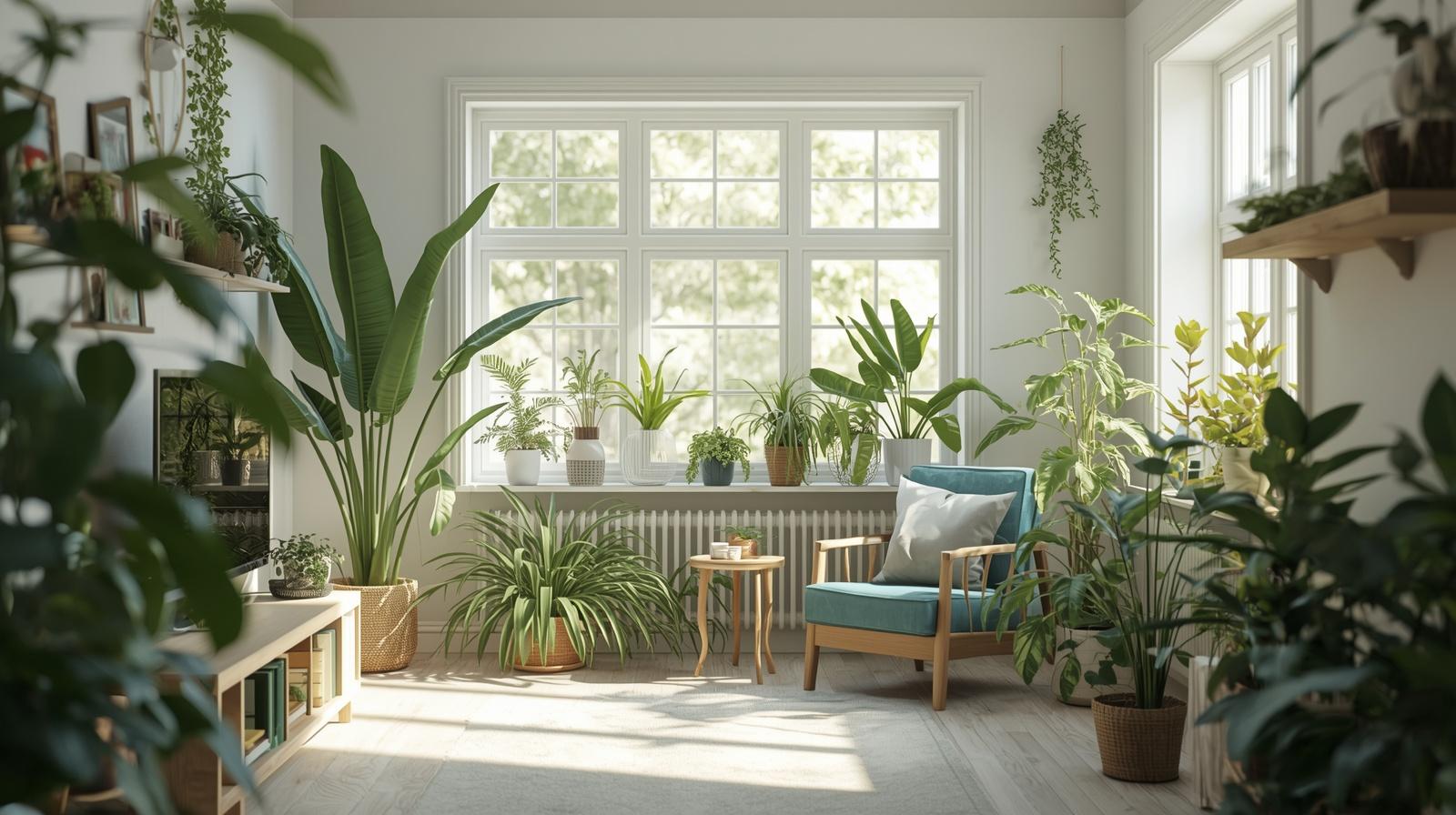
NASA research has shown that certain houseplants are highly effective at removing common indoor air pollutants like formaldehyde, benzene, and trichloroethylene. The peace lily is one of the most powerful air-purifying plants and also removes mold spores. Snake plants, also known as mother-in-law’s tongue, are extremely easy to care for and excellent at converting CO2 to oxygen even at night.
Spider plants, pothos, rubber plants, and Boston ferns are also highly effective and easy to grow indoors. For best results, aim to have at least one plant per 100 square feet of living space. Place plants in areas where you spend the most time, such as bedrooms and living rooms. Keep them healthy and well-watered to maximize their air-purifying effectiveness.
Top Houseplants That Naturally Purify Indoor Air

Fresh air is one of the simplest and most effective tools for improving indoor air quality. Opening windows and doors for even 15 to 20 minutes a day creates cross-ventilation that flushes out stale, polluted air and replaces it with fresh outdoor air. This is especially important in rooms where pollutants tend to concentrate, such as kitchens and bathrooms.
Use exhaust fans in bathrooms and kitchens whenever possible to vent moisture and cooking fumes directly outside. Make sure your clothes dryer vents to the exterior, not into a crawlspace or attic. If you have a forced-air heating and cooling system, use the fan-only mode periodically to circulate and filter air throughout the home. Consider installing an energy recovery ventilator for continuous fresh air exchange without significant energy loss.
Ventilation Strategies to Reduce Indoor Pollutants

Many commercial air fresheners and cleaning products actually worsen indoor air quality by releasing volatile organic compounds. Natural alternatives include beeswax candles, which emit negative ions that help neutralize pollutants when they burn. Activated charcoal or bamboo charcoal bags are excellent natural odor absorbers that can be placed in closets, cars, or near pet areas.
Baking soda absorbs odors effectively and can be placed in an open container in the refrigerator or bathroom. Essential oil diffusers with oils like tea tree, eucalyptus, or lavender can improve air freshness while avoiding synthetic fragrances. Replacing synthetic air fresheners with these natural alternatives removes a significant source of chemical pollutants from your home.
Natural Products That Improve Air Quality Without Chemicals

Volatile organic compounds are released by paint, varnish, cleaning supplies, and new furniture. Reduce exposure by choosing low-VOC products and allowing new items to off-gas outdoors or in well-ventilated spaces before bringing them inside. Formaldehyde is commonly found in pressed wood products, carpeting, and some insulation. Airing out new items and choosing solid wood furniture reduces formaldehyde exposure.
Mold is both a pollutant and a health hazard. Controlling humidity levels between 30 and 50 percent prevents mold growth. Use exhaust fans in bathrooms and kitchens, fix leaks promptly, and use a dehumidifier in damp basements. Dust mites thrive in bedding and carpets, so washing bedding weekly in hot water and vacuuming regularly with a HEPA filter vacuum significantly reduces their presence.
Common Indoor Air Pollutants and How to Eliminate Them
Small daily habits make a big difference in long-term air quality. Remove shoes at the door to prevent tracking in pesticides, pollutants, and allergens from outside. Groom pets regularly to reduce dander, and vacuum frequently with a HEPA filter. Avoid smoking indoors under any circumstances, as cigarette smoke contains hundreds of harmful chemicals that cling to surfaces for years.

Choose fragrance-free or naturally scented personal care and cleaning products whenever possible. Store chemicals and cleaning supplies in a garage or outdoor shed rather than inside the living space. Run the kitchen hood fan whenever you cook, as cooking generates moisture, grease particles, and combustion byproducts. These simple daily practices build up to create a healthier indoor environment for your entire family.
 Robert